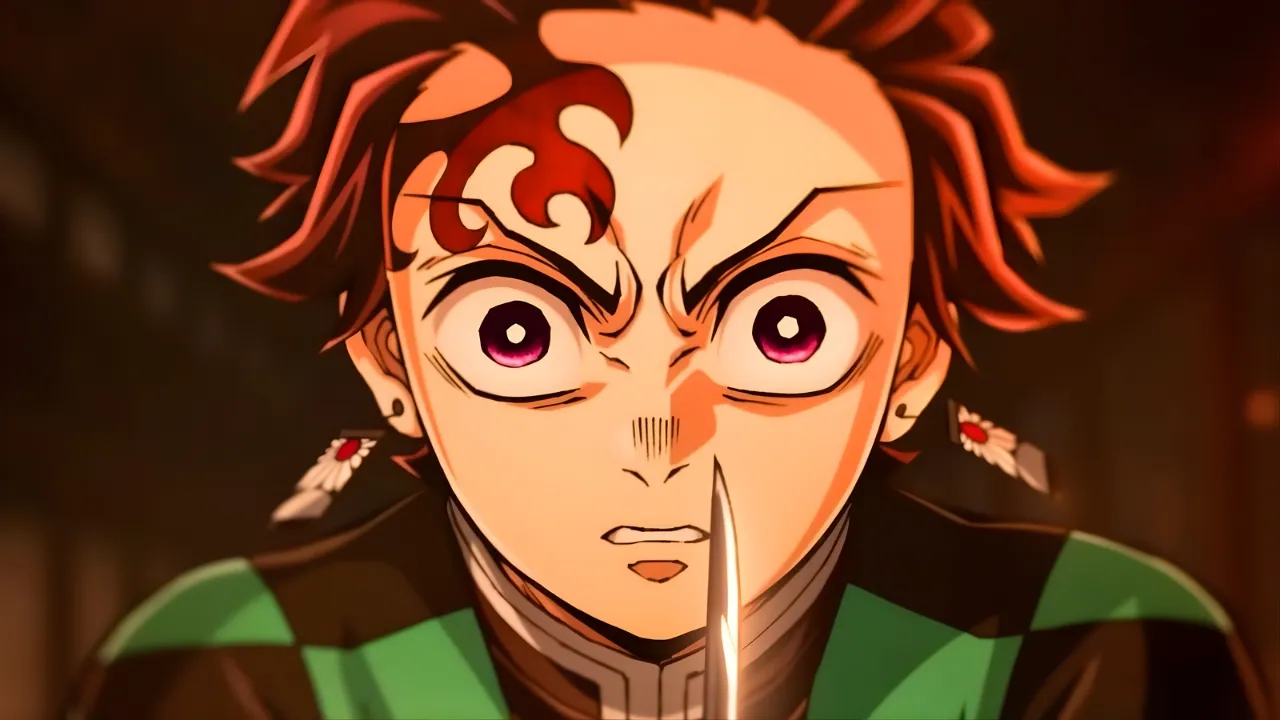
After the overwhelming success of the first film of the trilogy Demon Slayer: Infinity Castle, director Haruo Sotozaki He talked about the future of the saga. The film surpassed $780 million at the box office and earned a nomination for Golden Globe. In an interview with Deadline, Sotozaki He explained the creative reasons behind the discreet presence of Inosuke in this first chapter. He also delved into the emotional charge of the battle between Tomioka and Akaza. In addition, he announced that the two remaining installments will seek to raise the technical level and the narrative weight of the final arc.
Demon Slayer It is no longer just a commercial success. It has become the reference with which contemporary animation is measured. Recognizing that Inosuke It is his favorite character and that his return will have a decisive impact, Sotozaki does not improvise. Carefully manage the expectations of a global audience that demands a closure at the height of the myth. The combination between the creative precision of Ufotable and the firm direction of Sotozaki Aim for a clear goal. Turn the trilogy into an unprecedented cinematic event within the anime’s history.
Inosuke’s narrative reward in the final stretch
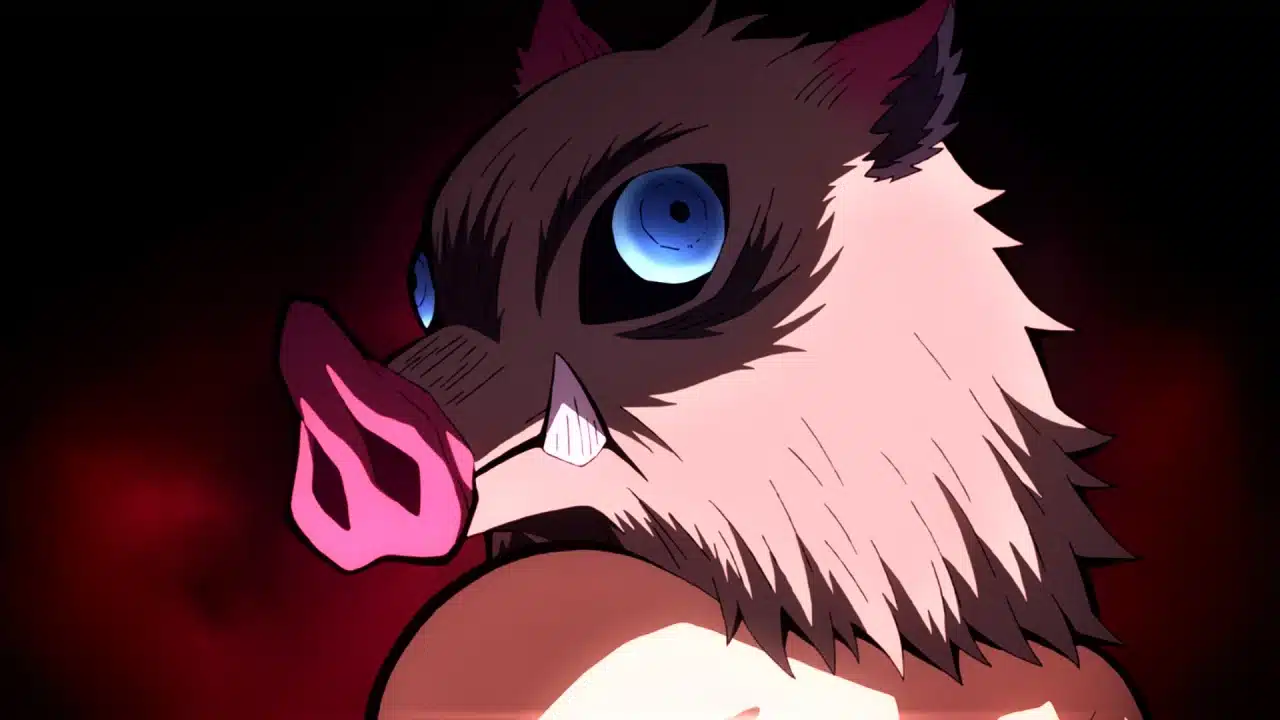
when describing Inosuke As his favorite character for his almost wild character and his slow approach to empathy, Sotozaki reveals a deep understanding of what sustains Demon Slayer beyond visual spectacle. His approach is not limited to action, but to the emotional journey of each key figure. Ensuring Inosuke “will meet expectations” in the sequel doesn’t work just as a promotional promise, but as a statement of narrative intent: the character’s arc will be taken up and closed with the same care as the great battles. This frankness strengthens the relationship with the public, which perceives that no important role will be relegated or empty of meaning.
In a choral work of this magnitude, balancing screen time is one of the greatest creative challenges. Sotozaki seems to bet on the emotional impact rather than the constant presence, reserving Inosuke For the exact moment in which his return has the greatest dramatic weight in the story.
When the anime competes in the global cinema league

the force of Haruo Sotozaki As a director lies in his control of the emotional pulse of the viewer. It maintains that tension for more than two and a half hours of footage. Demon Slayer: Infinity Castle It didn’t just sweep away at the box office. It became the most successful Japanese film in the United States and surpassed the 780 million dollars worldwide. In addition, it showed that the visual proposal of Ufotable Connect with audiences beyond the traditional fandom. The care in lighting, combat choreography and the fluidity of the climax between Tomioka and Akaza elevate the experience. All this leads to a universal cinematographic language. the nomination to Golden Globe confirms it. The anime can occupy a space of international prestige as a high-level cinema.
What Sotozaki Publicly acknowledge that the study never imagined reaching this scale of success adds an unusual layer of closeness in productions of this size. That honesty transforms records and prizes into a shared achievement with the public, reinforcing the feeling that the journey of Demon Slayer It has been built along with their fans and not just for them.

the verdict
Demon Slayer: Infinity Castle has redefined the anime’s business model (cinematographic trilogy vs. TV season). Backed by $780M and the promise of a “higher upgrade” in the sequels, the Sotozaki team has the resources and energy to deliver the most epic ending of contemporary shonen.
We hold that the “Inosuke Promise” is the key to the second film. If Ufotable manages to balance the brutality of the final combat with the closure of the human arcs of Inosuke and Zenitsu, we will be facing a masterpiece that will be remembered for decades.
Do you think the film trilogy format helps make the animation quality superior, or would you prefer the ending of the infinite fortress to have been broadcast as a traditional television season? Leave us your opinion in the comments.