
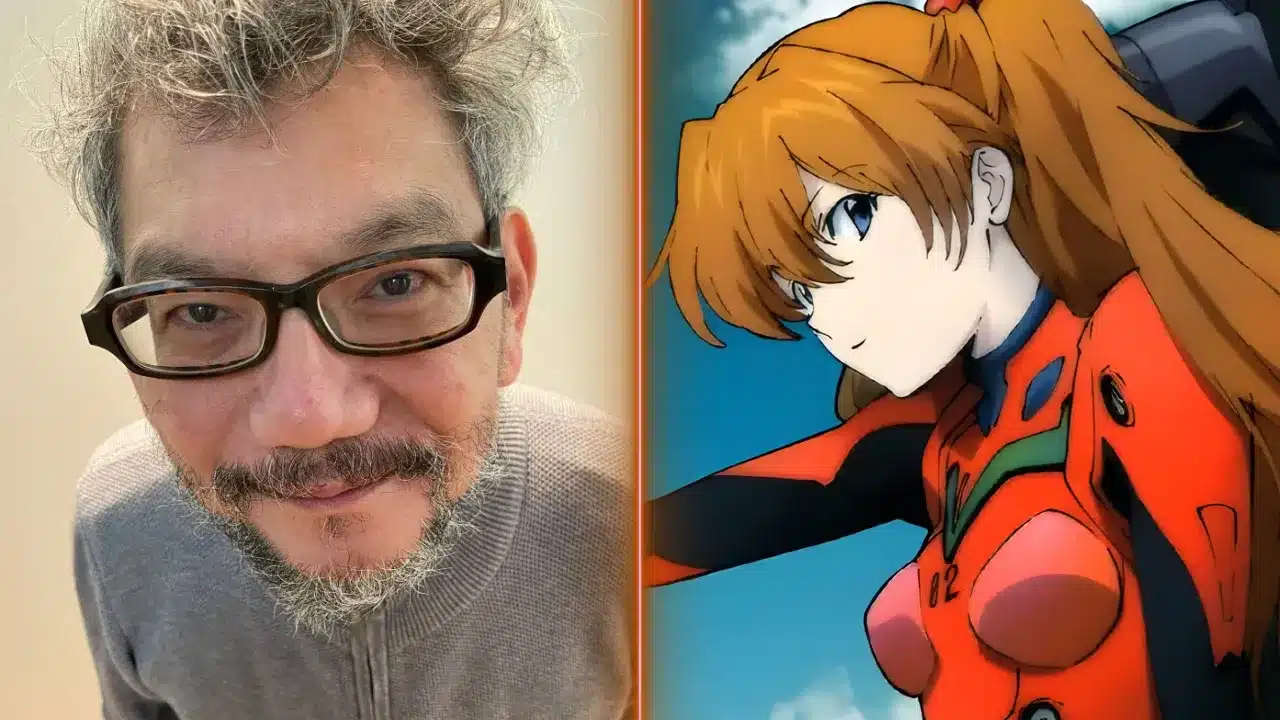
In an interview with Forbes Japan, Hideaki Anno, Director of Neon Genesis Evangelion, He expressed a position contrary to the globalization of anime. While the Japanese industry projects a market of 20 billion yen by 2033, He affirmed that he does not believe in thinking of the foreign public. His works, he explained, are born from a deeply Japanese process. Therefore, he maintains that they should not be adapted to facilitate their international consumption. If a work crosses borders, it concludes, The viewer must strive to understand it.
In a time when many productions seek to soften their identity to be universal, the position of anno It stands out for its coherence and creative authority. His refusal to dilute the drama, the language and the cultural sensitivity of his stories is, paradoxically, what has turned to Evangelion in a global phenomenon. We analyze why this absolute fidelity to the Japanese identity does not limit its scope, but rather reinforces the author’s expertise and the trust of its audience.
Cinema as an artistic statement, not as a dialogue
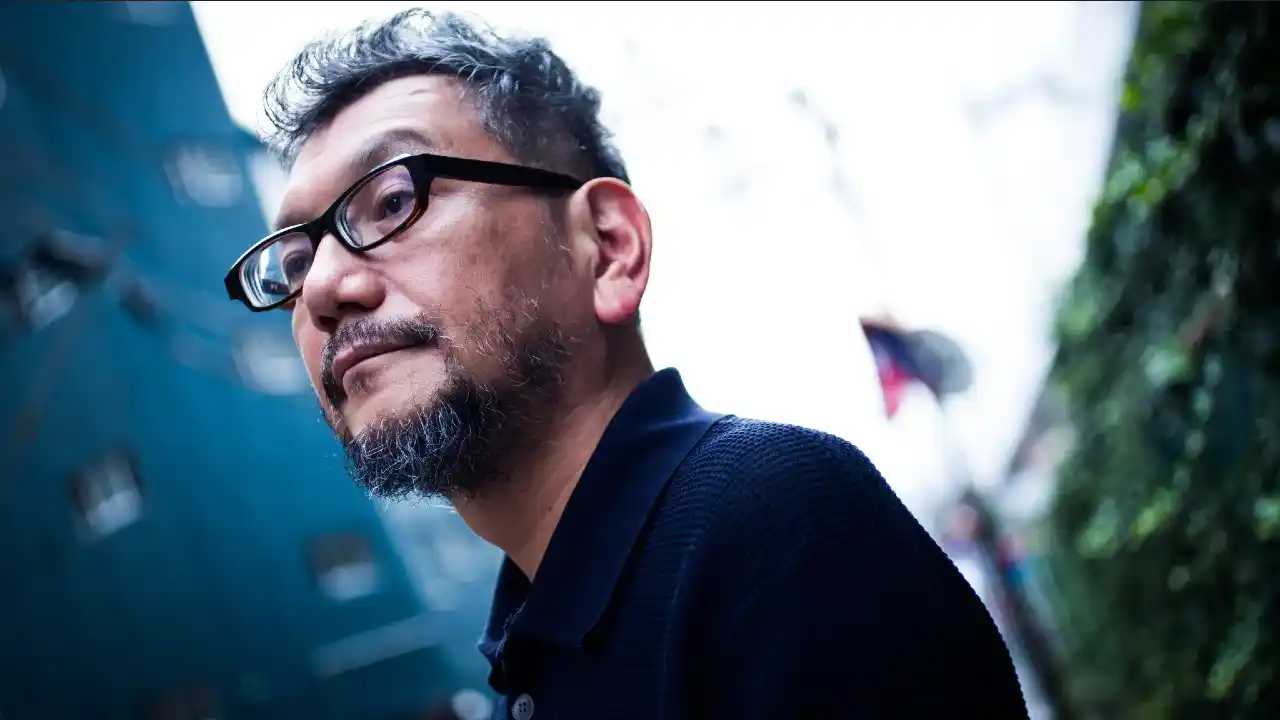
anno Draw a clear line between video games and cinema. While the former allow direct interaction and response of the user, the cinema, in his opinion, It is a one-way medium. A film is not designed to fit the viewer’s complaints, but to present a closed vision that the public can accept or reject. This philosophy explains why you decided to produce Evangelion: 3.0+1.0 Thrice Upon a Time independently, assuming all the creative and financial responsibility. By eliminating intermediaries, it protected the integrity of the work and reinforced the idea that the viewer’s trust must be placed in the creator, not on the decisions dictated by the market.
From this perspective, trying to please everyone is the fastest path to loss of identity. anno He maintains that a work that works in Japan, being honest with its cultural context, can resonate abroad naturally. when mentioning Studio Ghibli and to Hayao Miyazaki as examples of production focused exclusively on the domestic market, It reinforces the idea that international relevance is not built by adapting, but by deepening its own.
Language and emotion as unavoidable barriers

One of the strongest points of his speech is the relationship between language and emotion. To anno, The drama of his films is articulated through Thoughts and feelings that only exist fully within the mental framework of Japanese. Although cinema combines image and sound and can overcome certain language barriers, the dialogues and psychology of the characters are still anchored to a specific way of thinking. In this context, his assertion that the public must adapt does not seek to exclude, but to preserve the cultural coherence of the work.
The director also points out that the historical difficulties of the anime in the West were not due to its content, but to a bad marketing strategy. Therefore, it defends a clear separation of functions. Creators should focus on making authentic works, while the commercial area is in charge of selling them later. This division protects creative authority and prevents art from becoming a generic product designed by committees. Ultimately, the position of Hideaki Anno Does not reject the global public. It is a firm defense of cultural identity as a source of value. His intellectual honesty strengthens the viewer’s confidence and shows that sometimes the greatest international influence arises precisely from not trying to force it.

the verdict
Hideaki Anno is not asking for forgiveness for being Japanese; He is demanding respect for the purity of his creative process. His philosophy that the public must adapt to the work is the basis for why Evangelion remains an unrepeatable piece of cult after decades of existence.
Anno’s approach is the medicine that the anime industry needs at this time of explosive expansion. Japan’s true global influence does not come from trying to resemble Hollywood or soften its cultural nuances so as not to offend, but from being so deeply local that the rest of the world cannot help but be fascinated by that singularity. Anno is right: if the creator adapts to the market, the art dies to become merchandise.
Do you agree with Anno that films should be a one-way communication regardless of public opinion, or do you think that in the digital age directors should be more receptive to global criticism to improve their works? Leave us your opinion in the comments.