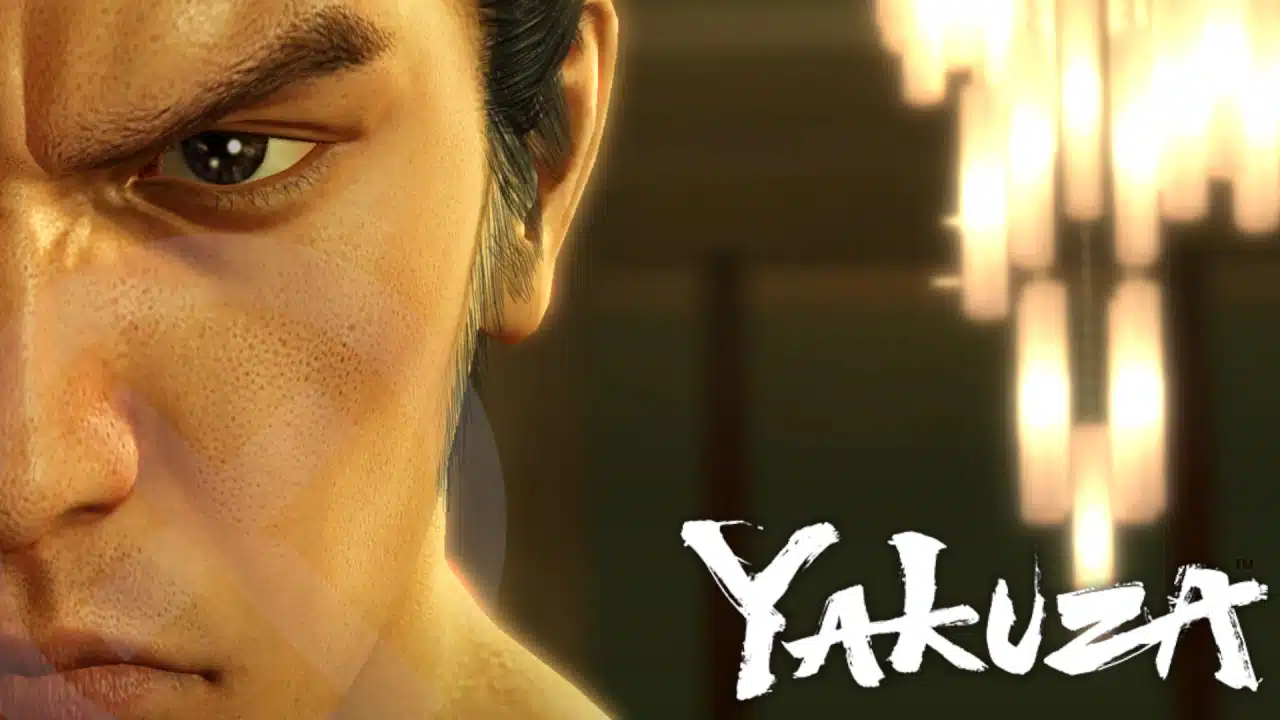
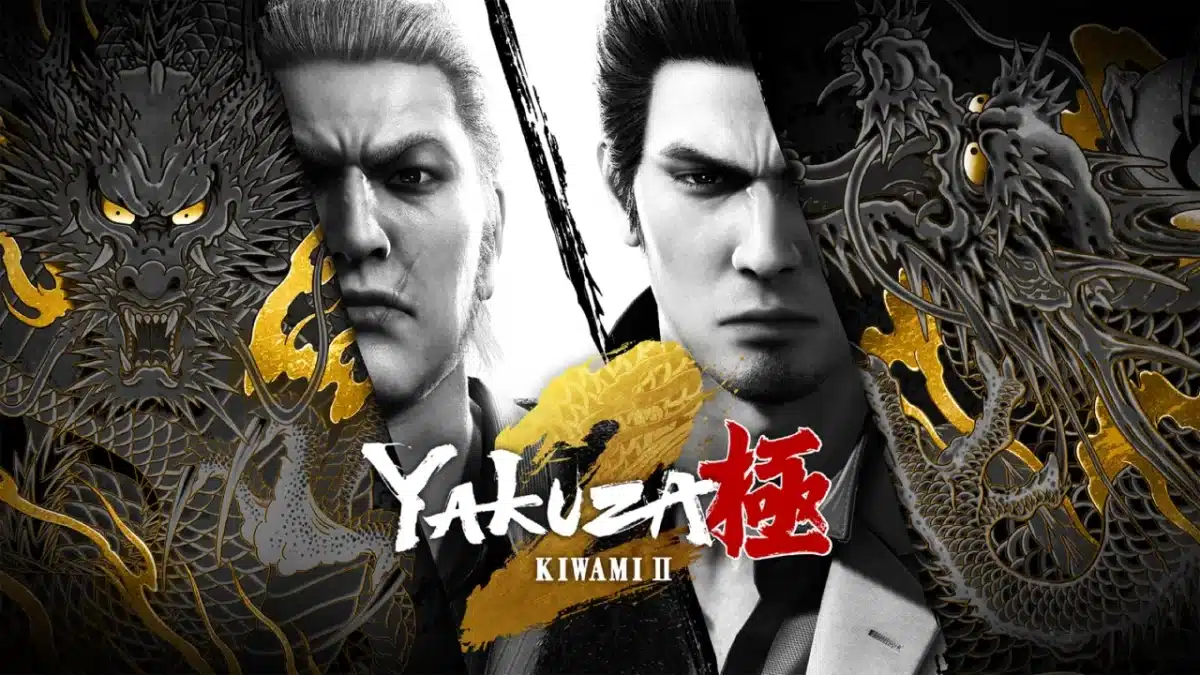
Going back to Kamurocho is never exactly the same. Although one believes to know every corner, every alley and every karaoke tune, the experience changes when the context does. Yakuza 0 Director’s Cut and Yakuza Kiwami / Yakuza Kiwami 2 They arrive at playstation as a gateway—or back—to the narrative and mechanical foundations of the saga. At the same time, they function as a clear proof of how well the decisions that defined Ryuga Gotoku Studio have aged.
After investing several dozen hours between the three titles, it is clear that we are not facing simple “final versions”. In reality, it is a trilogy that dialogues with itself. Yakuza 0 Acts as the emotional origin. Kiwami Rebuild the past with almost absolute respect. Kiwami 2Instead, he reinterprets that legacy with modern tools.
Yakuza 0 Director’s Cut: When the origin was already exceptional
To play Yakuza 0 Today it is still surprising. Not only for its narrative, but for its comprehensive design. The dual structure, which alternates between Kazuma Kiryu and Goro Majima, sets the pace from the start. In addition, it establishes two very clear playable identities. Kiryu represents control, contained strength and classical progression. Majima, on the other hand, bets on speed, chaos and improvisation.
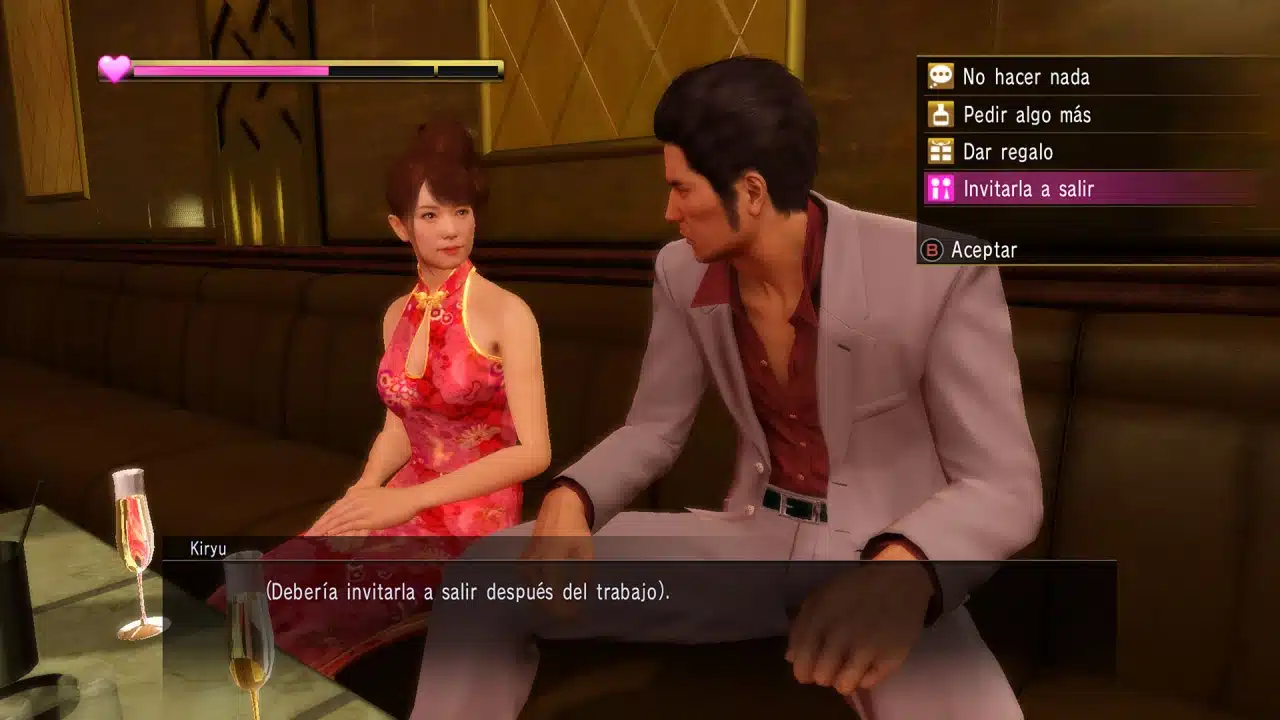
From direct experience, the most remarkable thing is not only the main story. The real weight of the game is in its secondary content. Activities such as real estate management or the Cabaret Club do not feel accessory. On the contrary, they function as complete systems that reinforce the player’s power fantasy. Every return to these mechanics demonstrates an unusual level of ambition even today.
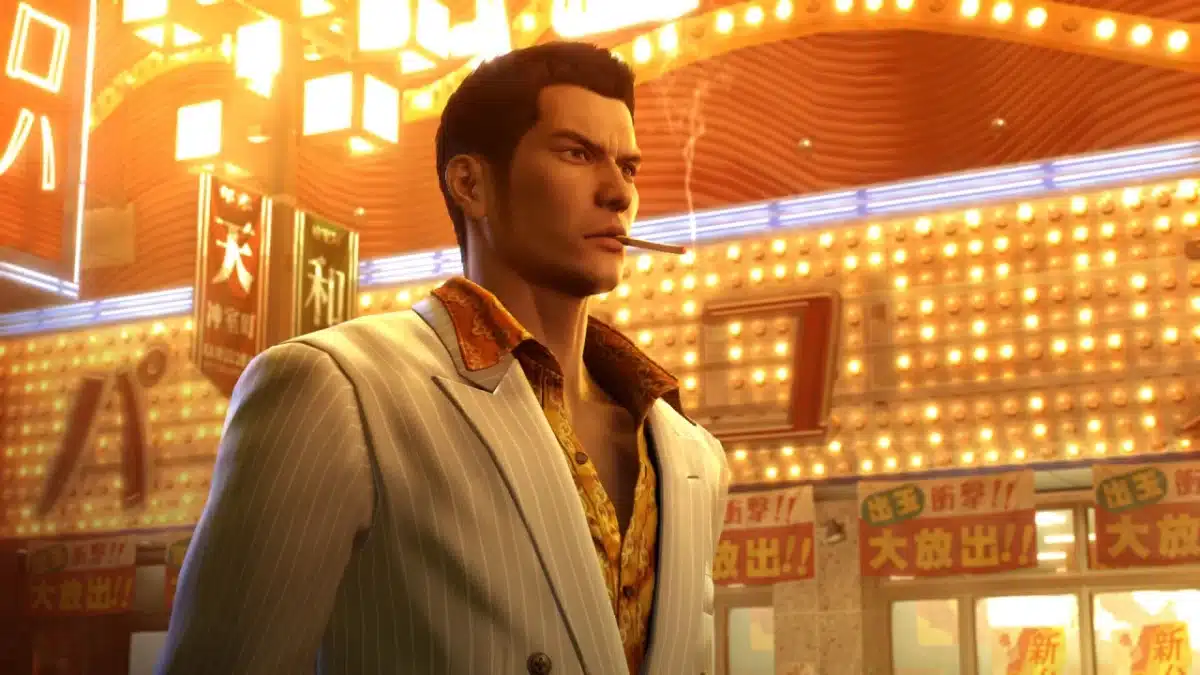
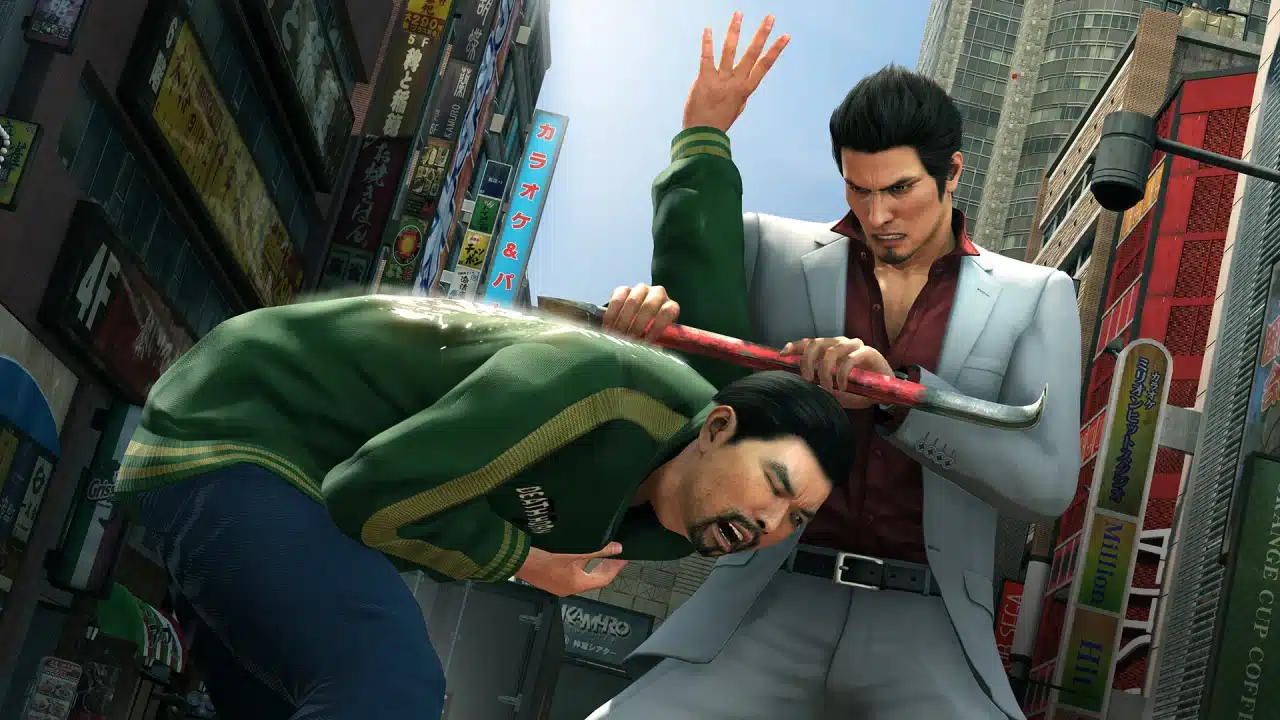
In combat, the interchangeable style system remains one of the most flexible within Yakuza. It allows you to adapt to the context, the enemy and the space. In addition, it encourages constant experimentation. Even after many hours, the loop remains fresh thanks to the use of the environment and the forcefulness of the animations.
Director’s Cut does not radically transform the experience. However, it consolidates Yakuza 0 as the strongest entry point in the entire franchise.
Yakuza Kiwami: Fidelity as a virtue… and as a limit
Yakuza Kiwami es probably the most interesting title to analyze in hindsight. As a remake of the first Yakuza, its objective is clear. preserve the original structure. This is noticeable from the first few minutes. Kamurocho is more compact. The progression is more rigid. The repetition appears more frequently.
However, this same rigidity allows us to better understand the origin of the saga. Playing it today, it is clearly perceived how Yakuza began to define his identity. The combat, largely inherited from Yakuza 0, works well. Even so, certain clashes—especially some bosses—can feel artificially elongated. Life regeneration breaks the rhythm and punishes patience more than skill.
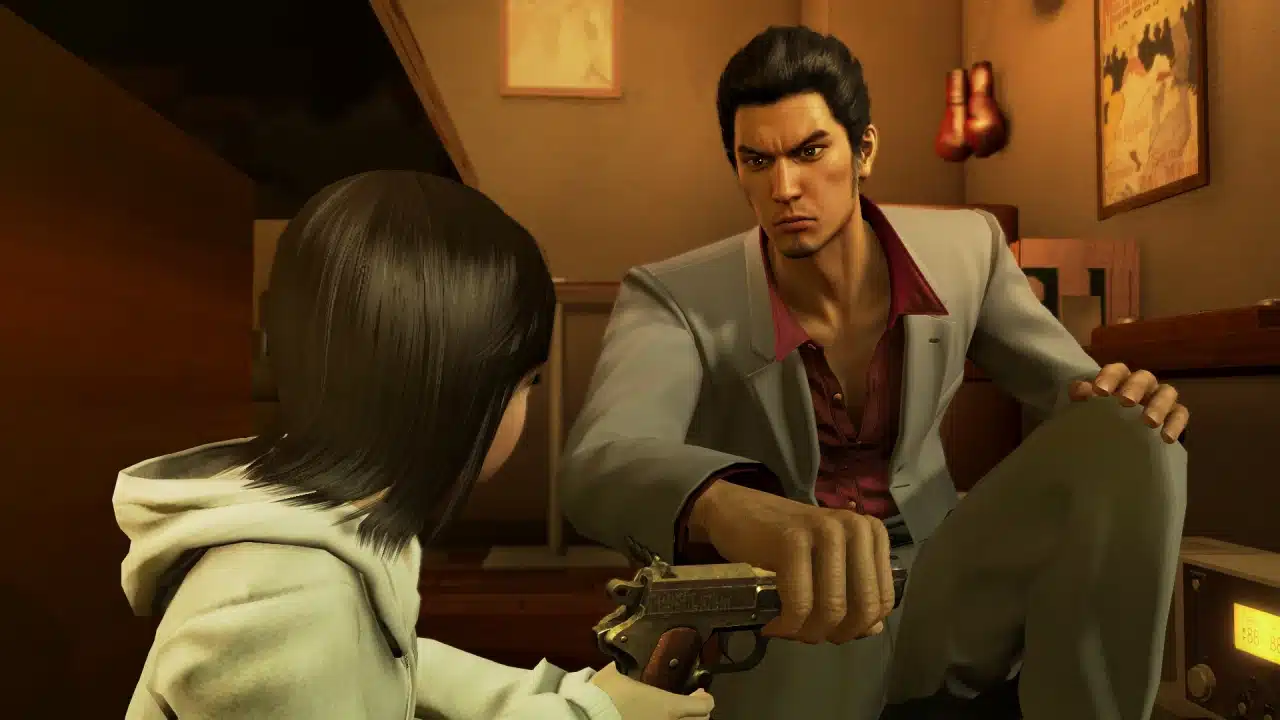
Where Kiwami really gains weight is in her additional narrative work. The Nishiki-focused scenes completely change the character’s perception. From direct experience, these sequences provide emotional context and correct one of the greatest shortcomings of the original game. The conflict ceases to be flat. It becomes tragic. And, above all, human.
Thus, Yakuza Kiwami works as a time capsule. It’s not always comfortable, but it’s honest.
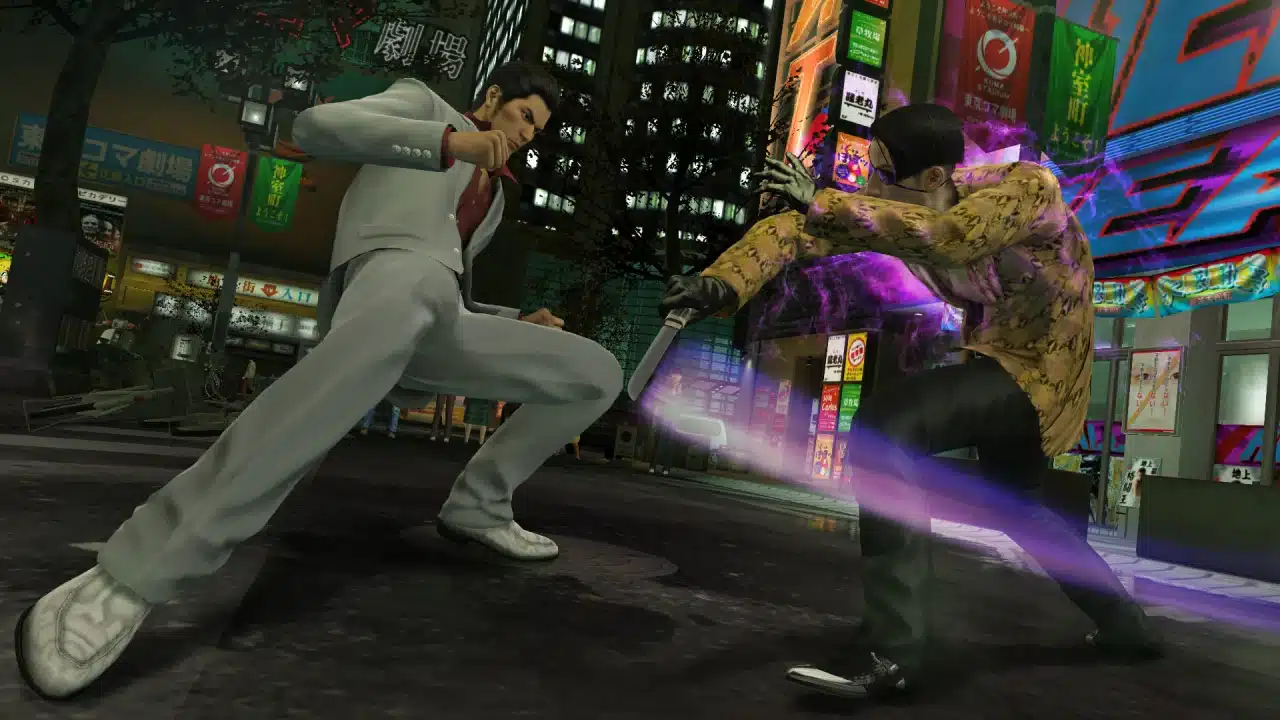
Yakuza Kiwami 2: The technical jump that changes everything
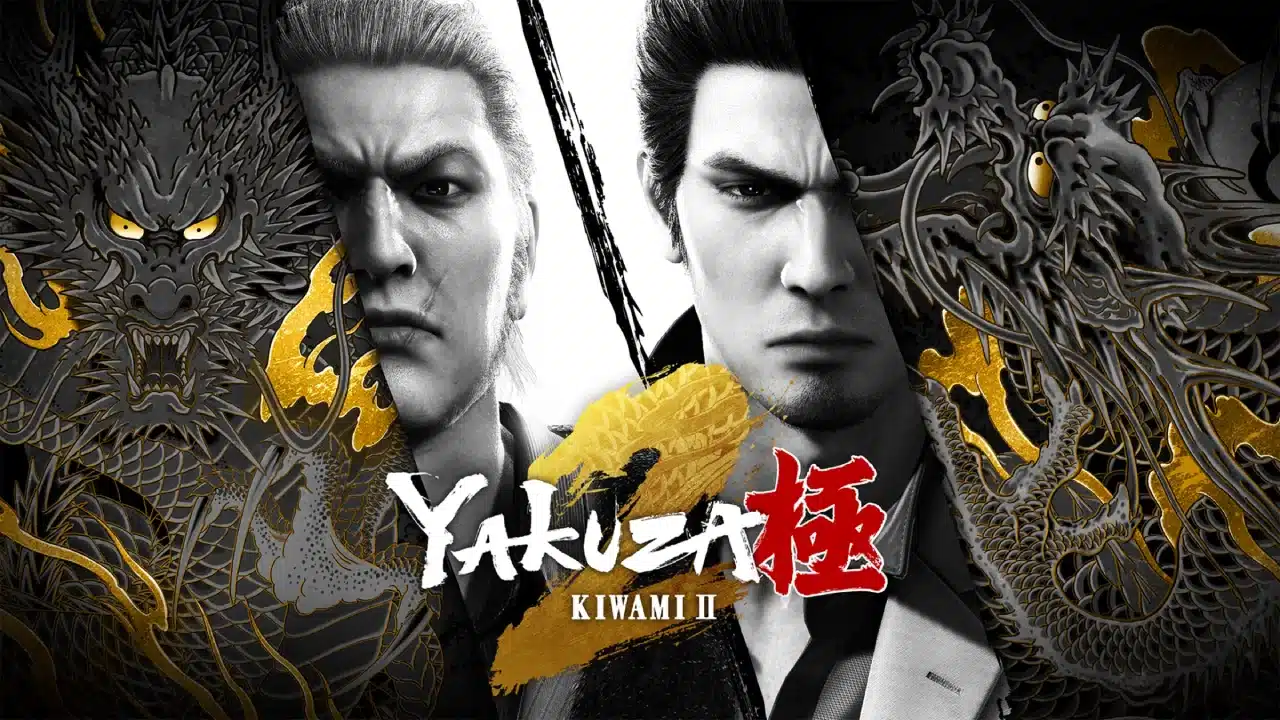
the contrast with Yakuza Kiwami 2 It is immediate. The use of the Dragon Engine redefines the experience from the technical level. Traveling Kamurocho without constant loading screens completely changes the perception of space. The city feels more alive. more continuous. closest to a real city.
In combat, change is also remarkable. The multiple style system is abandoned. Instead, you are committed to a more realistic feeling of weight. After several hours, the blows convey greater forcefulness. The body to body feels more physical. However, not everything is perfect. In closed spaces, the camera can play against the player.
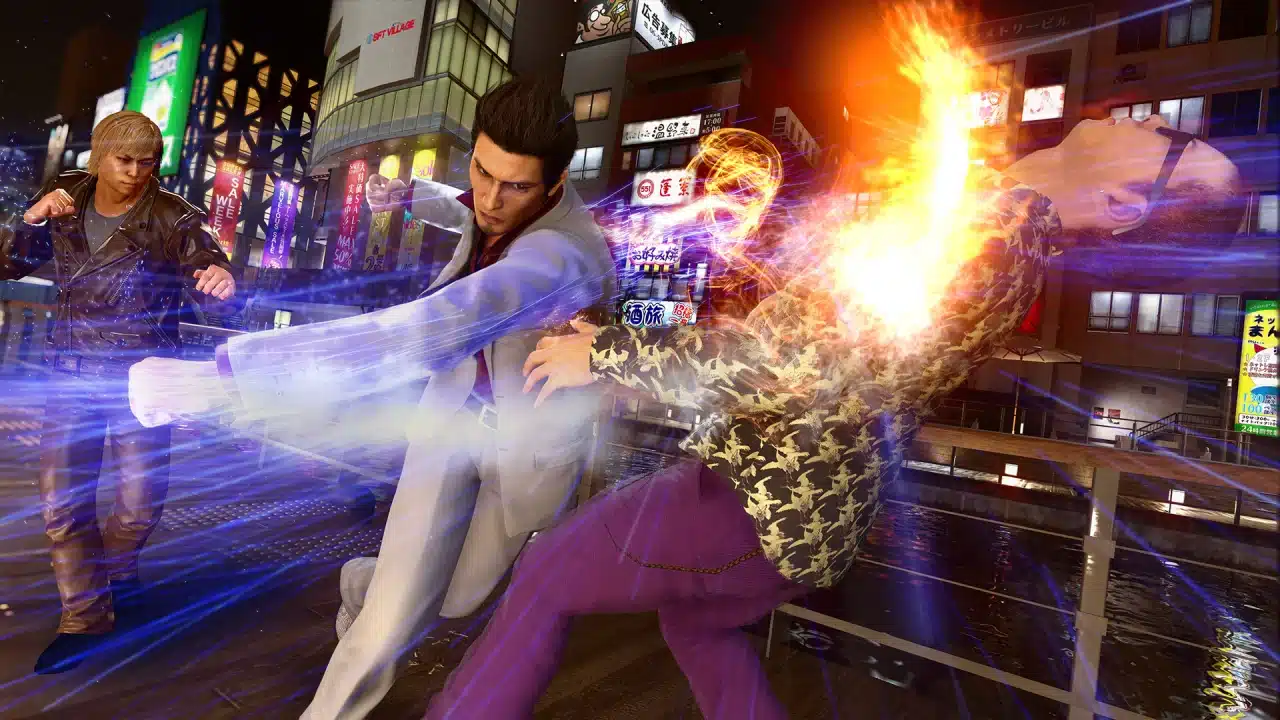
Narratively, Kiwami 2 reinforces key themes within Yakuza. The legacy, the honor and the consequences of the violence take on a greater role. The antagonist, Ryuji Goda, feels more balanced. In addition, Majima’s additional campaign brings an important emotional closure. It connects directly with Yakuza 0 and completes an arc that gives greater cohesion to the trilogy.
Three games, the same identity
Played together, these titles not only tell a story. They also show the evolution of a design philosophy. Yakuza 0 represents the balance between ambition and control. Kiwami shows the limits of nostalgia. Kiwami 2 Demonstrates the need to move forward without losing identity.
From the real experience, The most valuable thing about this trilogy on PlayStation is the possibility of understanding Yakuza as a whole. Not as isolated deliveries. Study learning is clearly perceived. The adjustments in rhythm, combat and presentation are also noticeable. Each game brings something different to the set.
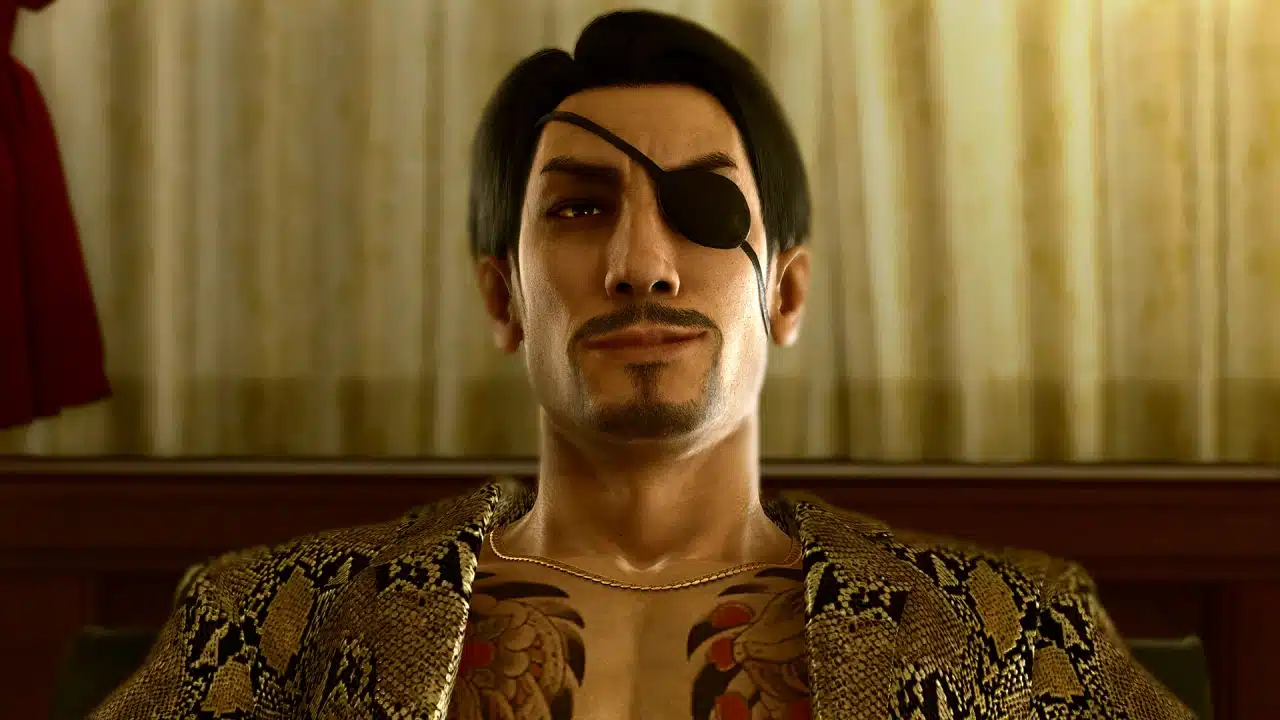
In addition, the tone is still one of the greatest successes of the saga. The contrast between crime drama and absurd humor continues to function. In fact, it reinforces Yakuza’s unique personality within the industry.
Verdict
Yakuza 0 Director’s Cut and Yakuza Kiwami 1 & 2 They are not just obligatory recommendations for new players. As well They are an opportunity for veterans to rediscover Kamurocho with another perspective. Playing them today confirms that the saga is not sustained solely by its extravagant narrative. His real strength is in the construction of the world and in the coherence of his creative vision.
Not all titles age the same. However, that is not a defect. On the contrary, it is part of its historical value. This trilogy allows you to see the path traveled by Yakuza and understand why it became one of the most respected Japanese franchises in modern gaming.
If you ever wondered why Yakuza matters so much, the answer is here. Control in hand. Do you plan to give it a chance? Leave us your opinion in the comments.