

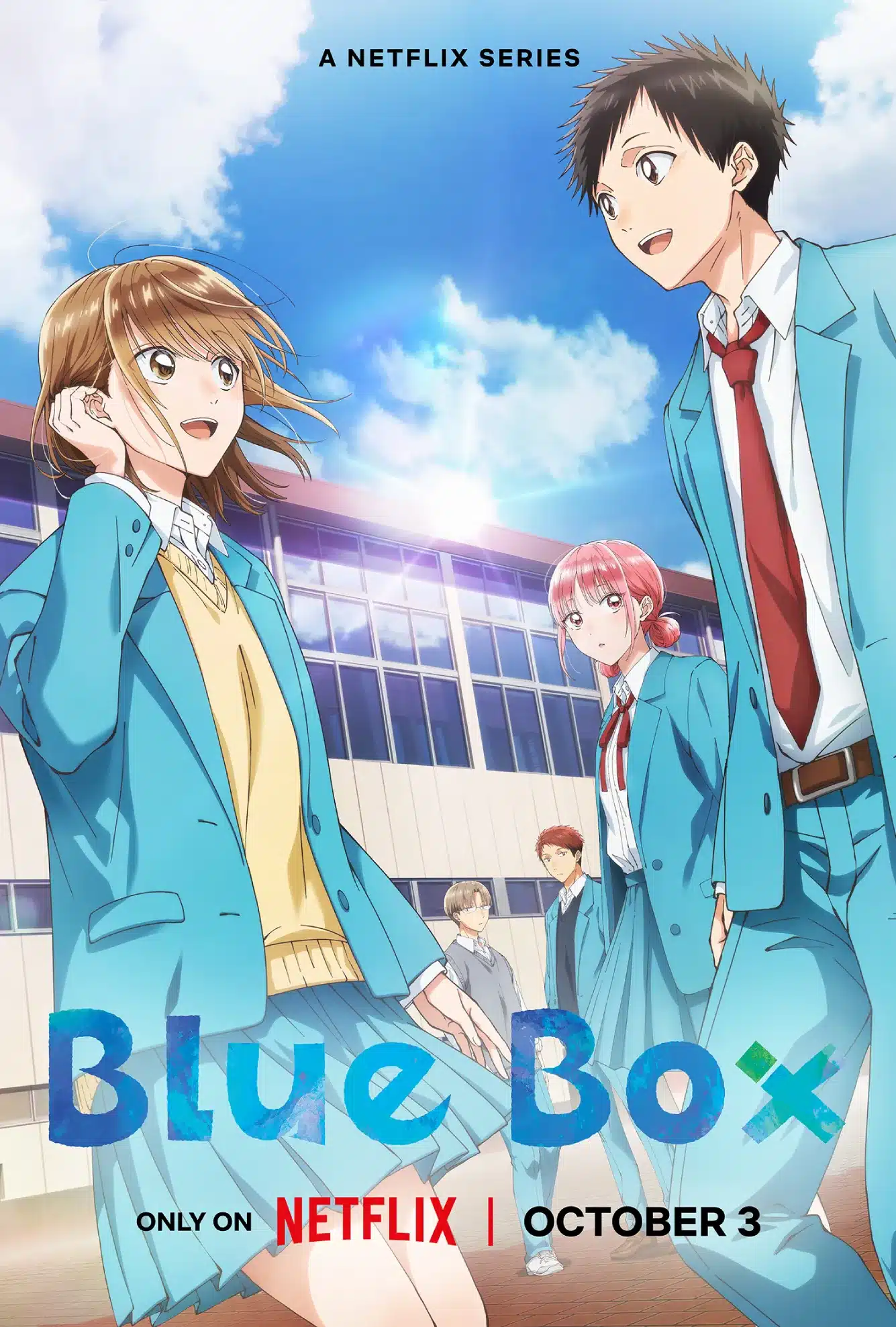
a recent decision to locate Netflix It went viral after detecting a change in the Episode 16 of Blue Box. In the original Japanese version and in the manga, a character receives a compliment due to his “female” way of thinking. However, the platform’s English dubbing and subtitling changed the line to praise him for being “feminist.” Although it looks like a minor modification, The fit has a considerable semantic weight.
But why has a single word change unleashed such a fierce wave of criticism among the followers of the work? We analyze how this alteration of the script not only affects the fidelity of the translation, but also It calls into question the respect of streaming services towards the original vision of the author.
When the location crosses the line
The central problem is not the term itself, but the imposition of a contemporary ideological burden on a dialogue that in its original context It sought to highlight an emotional sensitivity typical of Japanese culture. On blue box, The use of “feminine” refers to empathy, delicacy and emotional understanding. Kouji Miura He integrated these traits into the character as part of his personality, not as a political statement.
By replacing it with “feminist”, the location alters the psychology of the character and Redefine your narrative intention. This practice suggests a lack of technical judgment in adaptation, as well as an implicit mistrust towards the original material. For much of the anime audiences, the translation should work as a cultural bridge. When that bridge is filtered by values external to the work context, Authenticity is diluted and history loses its original identity.
Fandom fatigue vs. platforms
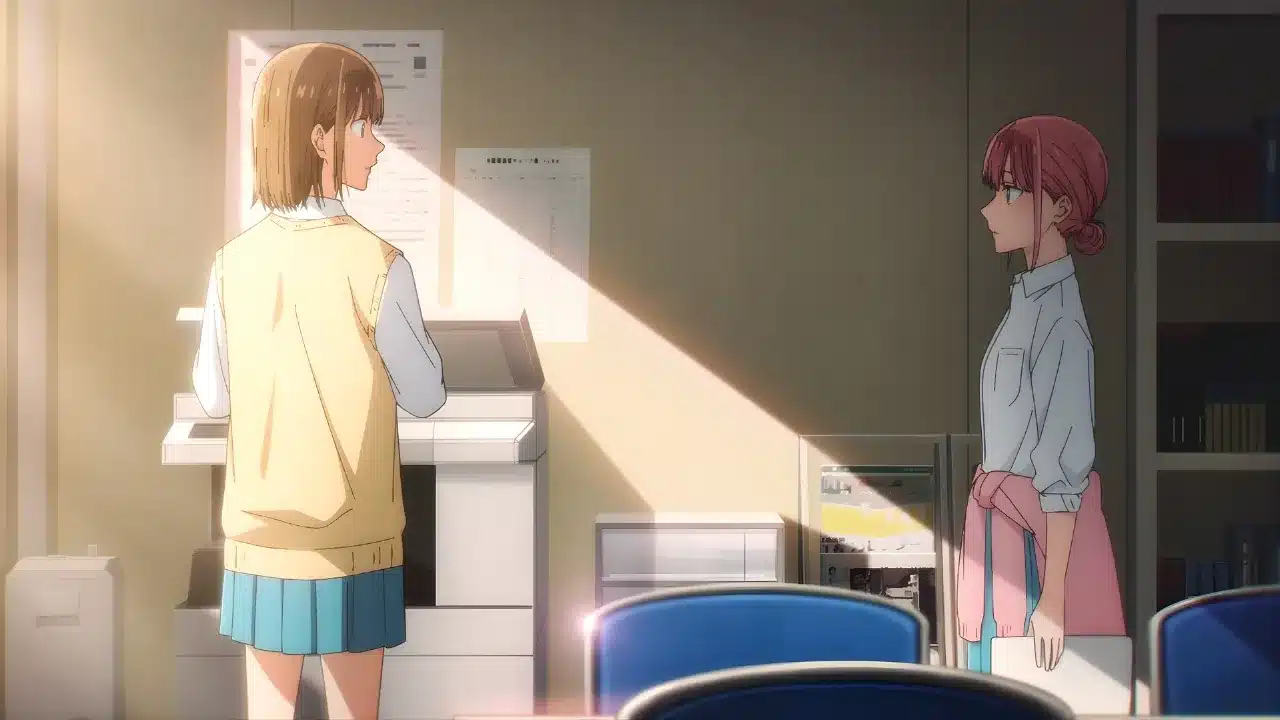
The speed with which this controversy spread both in Japan and in the West reflects an accumulated fatigue among fans towards streaming services. As the anime gains a global presence, many viewers perceive that the quality and fidelity of the translations are sacrificed in favor of reinterpretations that respond more to editorial agendas than to the work itself.
The lack of an official position of Netflix or from the anime team intensifies this perception. For the audience, silence reinforces the idea that the original creators have limited control over how their work is presented outside of Japan. In an industry based on public trust, ignoring the author’s intention quickly erodes that relationship. The location must clarify and translate, not reinterpret or rewrite.
the verdict
The case of Blue Box shows that fidelity to the original material is not a minor detail, but a pillar of the anime as a cultural medium. Changing “feminine” to “feminist” can seem irrelevant from a corporate logic. For the viewer, however, it supposes a clear rupture of the implicit contract of respect between the work and its audience.
The true quality in the translation lies in preserving the soul of the story as it was conceived. Altering dialogues to align them with external social tendencies does not strengthen the work or modernize it; It weakens its identity and betrays both the author and the public looking for a genuine experience. The location, when it loses sight of that principle, ceases to be a cultural bridge and becomes an unnecessary barrier between history and those who want to understand it.
Do you think that streaming services should be prohibited from altering terms with social burden on translations, or do you consider that locators have the right to “modernize” dialogues for the current public? Leave us your opinion in the comments.