
A sleeve Created entirely with artificial intelligence reached first place in Comic C’moa, Japan’s largest e-book store. The work, titled My Dear Wife, Will You Be My Lover?, It premiered on December 28, 2025. In a few days, it climbed to lead the category Young Adult and surpassed consolidated human mangaka titles.
This milestone is not just a sales record, but the start of a structural transformation in the Japanese market. We analyze why the success of this work represents a direct threat to the figure of the “mangaka” and how the reader’s pragmatism is winning the battle against creative ethics.
The reader in front of the origin of the work

the arrival of My Dear Wife, Will You Be My Lover? At the top of the charts, he exposes a reality that is difficult to ignore. For a part of the digital audience, the value of a work no longer lies in who creates it, but in how quickly a narrative demand satisfies. As the editor pointed out Kazuaki Ishibashi, Many readers prioritize functional and immediate consumption stories. In this case, A drama of marriage reconciliation weighs more than the artistic process that originates it.
This phenomenon confirms the ability of algorithms to identify and reproduce very effective narrative tropes. While a human author spends months or years in developing style and personality, artificial intelligence produces polished volumes in a fraction of time. If this trend is consolidated in 2026, the market runs a clear risk. It could be filled with solid technical works, but without the experimentation or the creative risk that are born from human experience.
Profitability against cultural capital
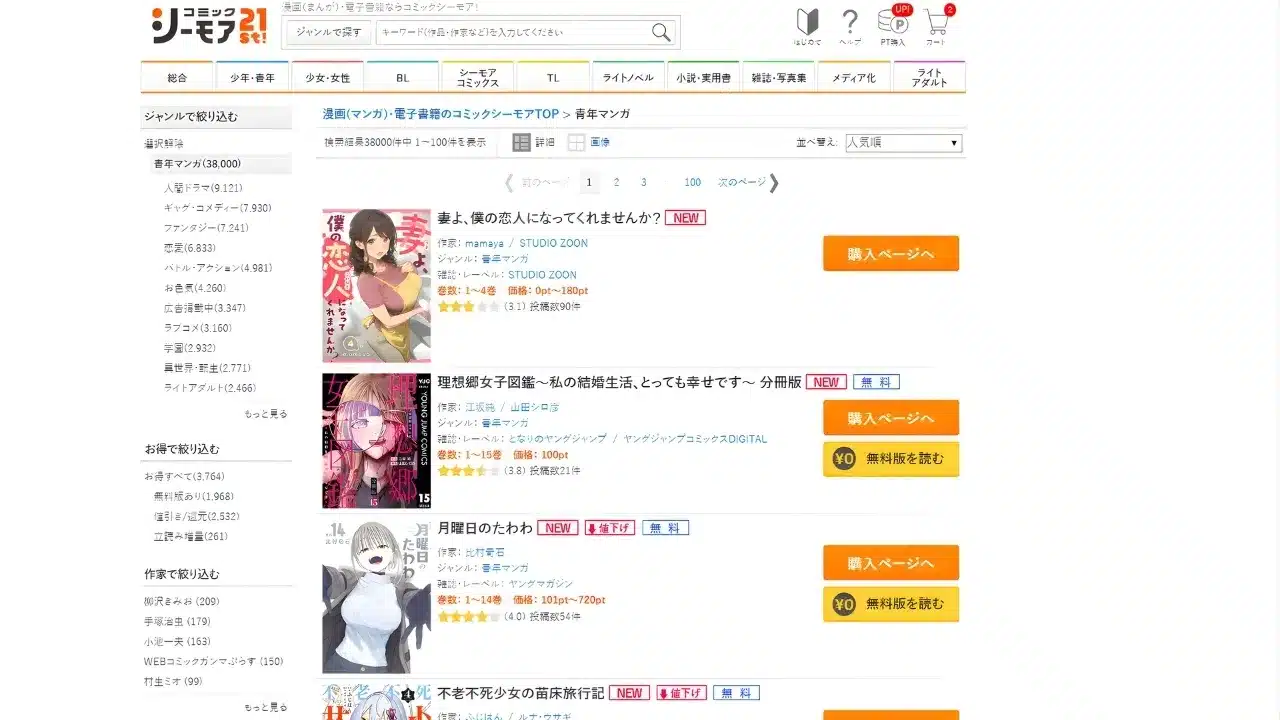
The concern within the creative community is not exaggerated. that a platform of the weight of Comic C’moa Allow and promote AI-generated manga suggests a change of priorities in the Japanese publishing industry, where profitability begins to weigh more than the preservation of cultural capital. In this scenario, the new mangakas face an impossible competitor: one who does not run out, does not charge royalties, does not suffer creative blocks and does not demand better working conditions.
In the long run, this model also poses a problem for the consumer himself. The proliferation of manga generated by AI could lead to an aesthetic and narrative homogenization within genres such as the young adult, eroding the diversity of styles that has defined the medium for decades. The expertise of traditional mangakas no longer competes against better stories, but against an industrial efficiency designed to dominate algorithms and rankings.

the verdict
The success of My Dear Wife, Will You Be My Lover? It marks a turning point for the manga as a form of artistic expression. Artificial intelligence has ceased to be an auxiliary tool to become a direct competitor, capable of conquering the Japanese mass market without visible human intervention.
This moment represents a point of no return. Technology is inevitable, but the industry now faces the responsibility of defining clear limits if it wants to preserve the identity of the manga. If the algorithm becomes the main curator of stories, guided only by consumption metrics, the medium runs the risk of losing the personal, imperfect and transgressive voice that transformed it into a global phenomenon. Art, in its essence, should continue to be a dialogue between people, not an optimized response to a data set.
Would you be willing to follow a manga series knowing that it has been created entirely by an AI, or do you think that the soul of a work resides exclusively in the hand of the author? Leave us your opinion in the comments.