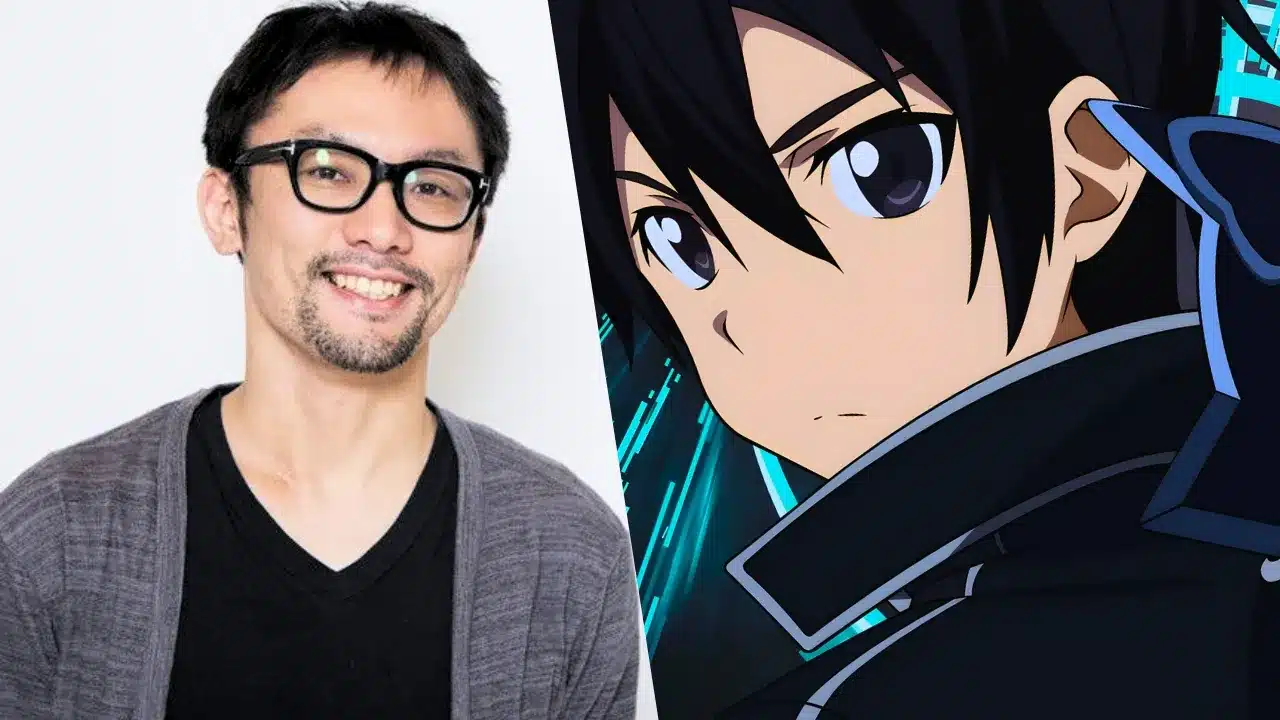
Tomohiko Ito, Director of Sword Art Online and erased, He claimed that the anime Has the real potential to replace Hollywood hegemony. He pointed out that this scenario becomes more viable after the weakening of the US industry due to the strikes and the pandemic. However, he gave a clear warning. Being obsessed with “global attractiveness” and political correctness could become the perfect recipe for the failure of the Japanese industry.
But why does the international success of the anime depend paradoxically on ignoring the demands of the foreign market? We analyze this position that challenges current expansion strategies and defends the purity of Japanese content.
a void that the anime knew how to occupy

the reasoning of ITO It is supported by a reality that is difficult to refute. productions such as the trilogy of Demon Slayer: Infinity Castle They have broken box office records worldwide, showing that the anime no longer operates like a niche, but as a viable substitute for traditional action cinema. With the consolidation of Crunchyroll low aniplex and the international expansion of companies such as TOHO, Japan today has the necessary infrastructure to compete directly in the global market.
However, ITO stresses that the strength of the anime does not lie in imitating Hollywood. It is in offering what that industry has stopped producing. While Western cinema has been limited by labor crises and a clear lack of creative risk, The anime has maintained a steady stream of original stories. These stand out for visual and narrative styles that do not follow universal molds. For Ito, the anime filled the blockbusters void by presenting itself as a different alternative.
The risk of creating thinking in the West
The most incisive point of the speech of ito, in tune with previous opinions of figures such as Hideaki Anno, It is his rejection of the production designed to like abroad. According to the director, trying to meet North American political correctness standards ends up diluting the essence of the anime. Smooth character design or remove uncomfortable themes It weakens what made it a global phenomenon.
Ito warns that, if Japanese studies begin to create under the constant question of “what will they think of America”, They will lose their main competitive advantage. The international public trusts anime precisely because of its cultural honesty. A work must first work for the Japanese viewer; If it manages to resonate out, it is a natural consequence of success, not a prefabricated goal. Trying to anticipate global taste usually leads to generic products that do not satisfy the local or international market.
the verdict
Tomohiko Ito’s posture works as a direct warning to an industry tempted by standardization. The anime is facing a historic opportunity to lead global entertainment, but that leadership will only be possible if it retains the creative freedom that Hollywood has been sacrificing in search of massive and frictionless acceptance.
The true strength of the anime lies in its cultural uniqueness. If the medium is westernized to avoid controversy or adjust to external sensitivities, you risk losing the soul that made it a global phenomenon. The global audience is not looking for an animated Hollywood; Look for Japanese anime in all its complexity, rarity and authenticity, even when it is uncomfortable or difficult to pigeonhole.
Do you think the anime should adapt to the social norms of the West to continue growing, or do you prefer it to maintain its original style regardless of the criticisms about its content? Leave us your opinion in the comments.