On Japan, the order And the rail efficiency are legendary, but there is a station where the authority does not wear a human uniform, but mustaches and a tricolor tail. On January 7, 2026, the Kishi StationWorld famous for her feline tradition, she welcomed her new boss: Yontama. This nine-year-old calico cat assumes command at a crucial moment, reminding us why Japanese culture has such a special connection with animals, something that resonates deeply in countries like Mexico, where love for pets has also transformed public spaces.
The legacy of the “boss cats”
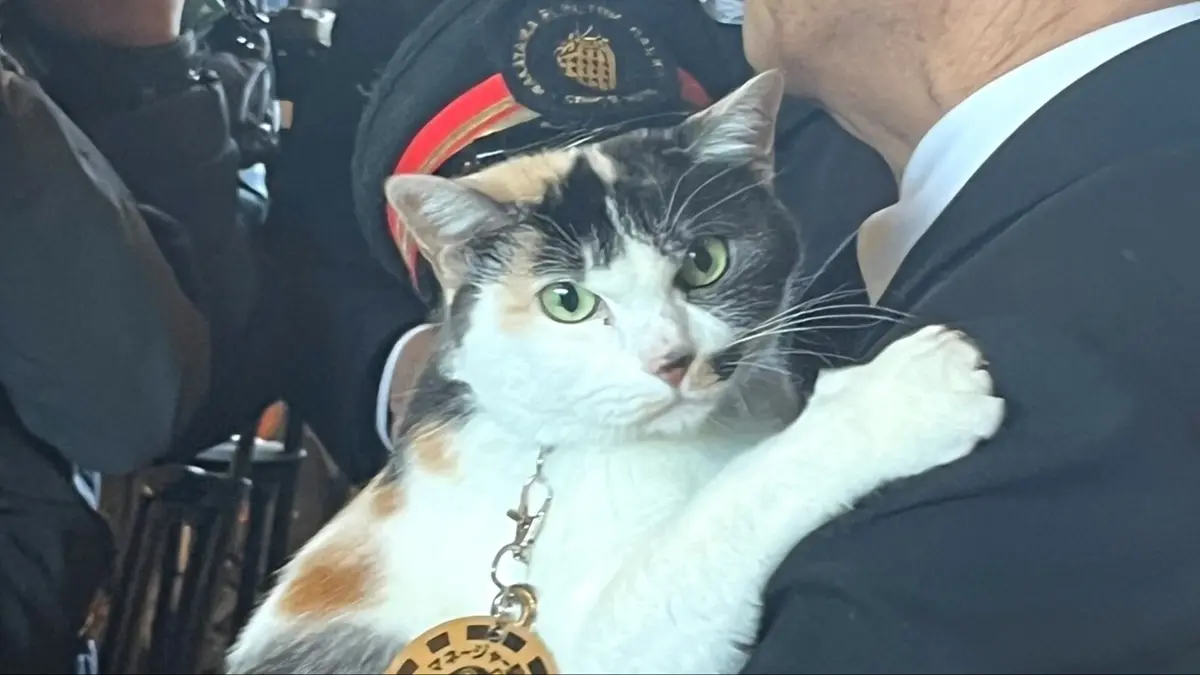
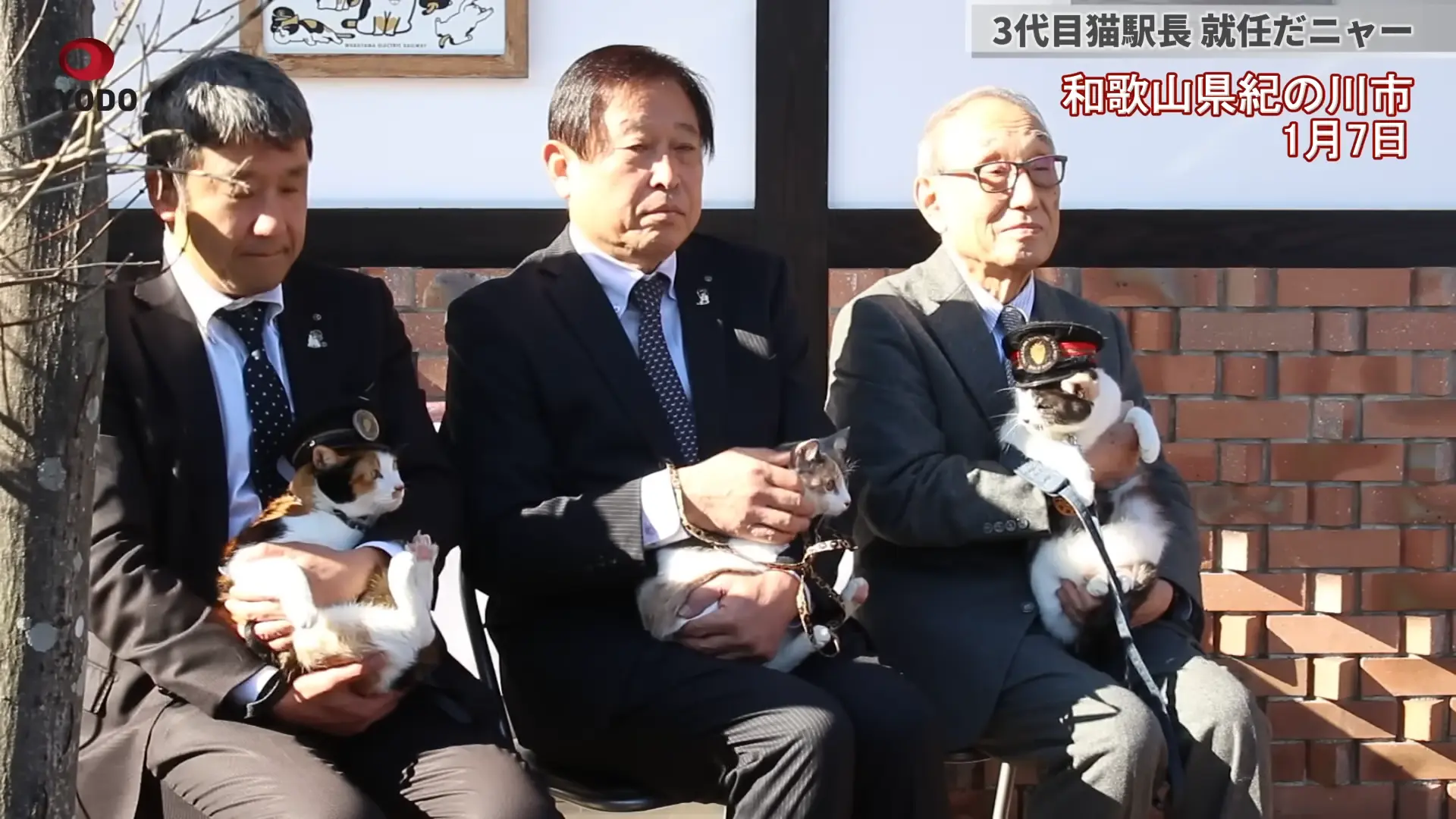
The Yontama designation is not a simple advertising trick, but an official position within the Wakayama Electric Railway. The line’s president, Mitsunobu Kojima, personally gave Yantama his letter of appointment and a medal engraved with his official title.
Yontama is no newbie; Previously, she successfully served as station manager at Idakiso, making her the ideal candidate for promotion. She follows in the footsteps of the legendary TAMA (who saved the bankruptcy rail line in 2007) and Nitama, who held the position until November 2025.
More than a pet, an economic engine
The experience of this railway line in Japan It shows how an animal can change the fate of an entire community. Since the appointment of the first female chief, tourism on the Kishigawa line has skyrocketed, attracting international visitors (including many travelers from Mexico and Latin America) curious to see the michi-authority.
During the same ceremony, he presented Rokutama, a little apprentice who is under training. President Kojima humorously described her as “a student sent to the service before completing her studies”.
Tradition and animal welfare
For readers in Japan And the world that cares about animal welfare, the company maintains standards of reliability strict. The cats have comfortable “office” schedules, private rest spaces and are cared for as national treasures. This “animal-friendly station” model has served as inspiration for other global rescue and coexistence projects.
The power of “Marketing with Heart”
The appointment of Yontama in Japan It ensures the continuity of one of the most endearing and successful traditions of modern marketing. It’s not just about seeing a cat in a hat, but a strategy that saved a vital infrastructure for local people through empathy and creativity.
This phenomenon is a lesson in humility and business vision. While in many countries the transport systems fight against bureaucratic coldness, Japan It has humanized (or rather, “feline”) user experience. On Mexico, where the culture of “market cats” or “shop dogs” is so common, this official station boss model could be a great inspiration to formalize the care of community animals while promoting the identity of the neighborhoods. Long live Chief Yontama!
Do you think that at the metro stations of Mexico City or the new tourist trains in the country, it would work to have feline “station managers” to attract tourism and promote adoption? We want to read your opinion in the comments!