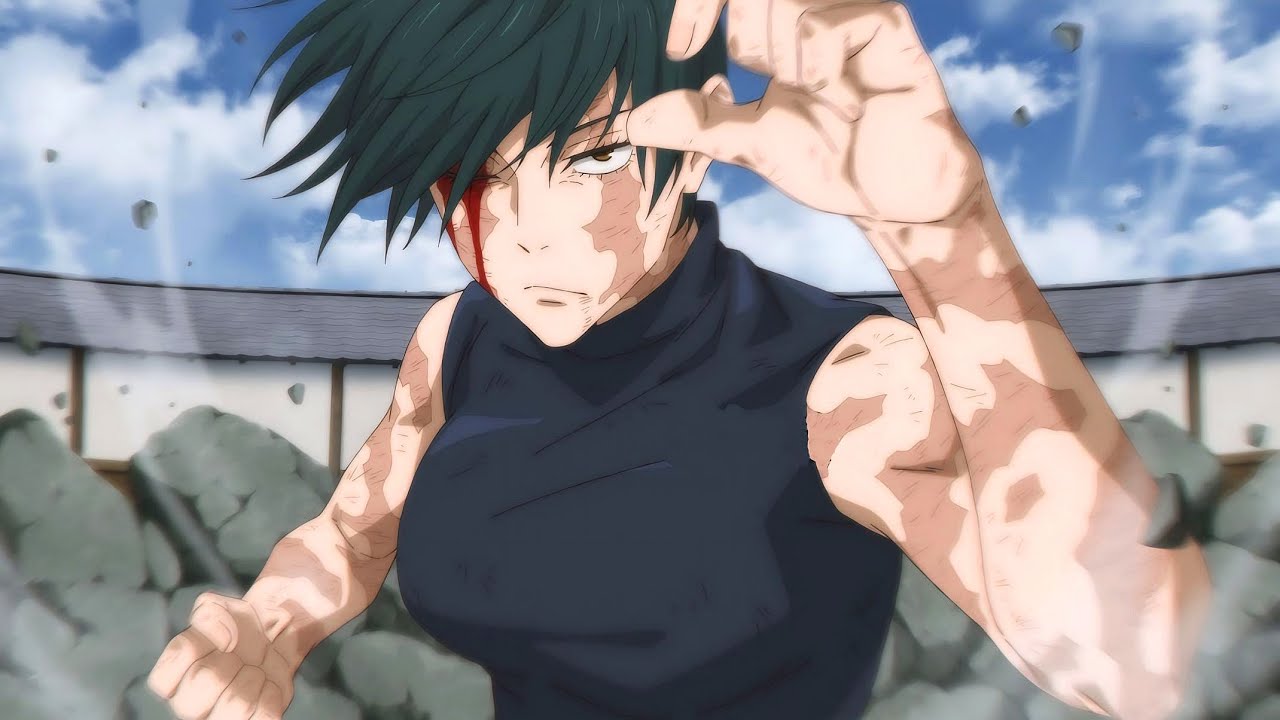
What for the rest of the world was an absolute masterpiece of animation, in his homeland has ignited an unexpected debate. The premiere of the episode “Perfect Preparation” of Jujutsu Kaisen has revealed a deep cultural gap between the viewers. While in the West the episode reached an almost perfect rating of 9.8/10 on IMDb, much of the public in Japan feels that the Mappa studio prioritized the visual spectacle of the emotional core of the story. The Zenin Clan Massacre arc, one of the darkest and most painful moments of the manga, has become the center of a viral complaint: Was Maki’s pain sacrificed in favor of a “cool” aesthetic?
Mappa’s cinematic style
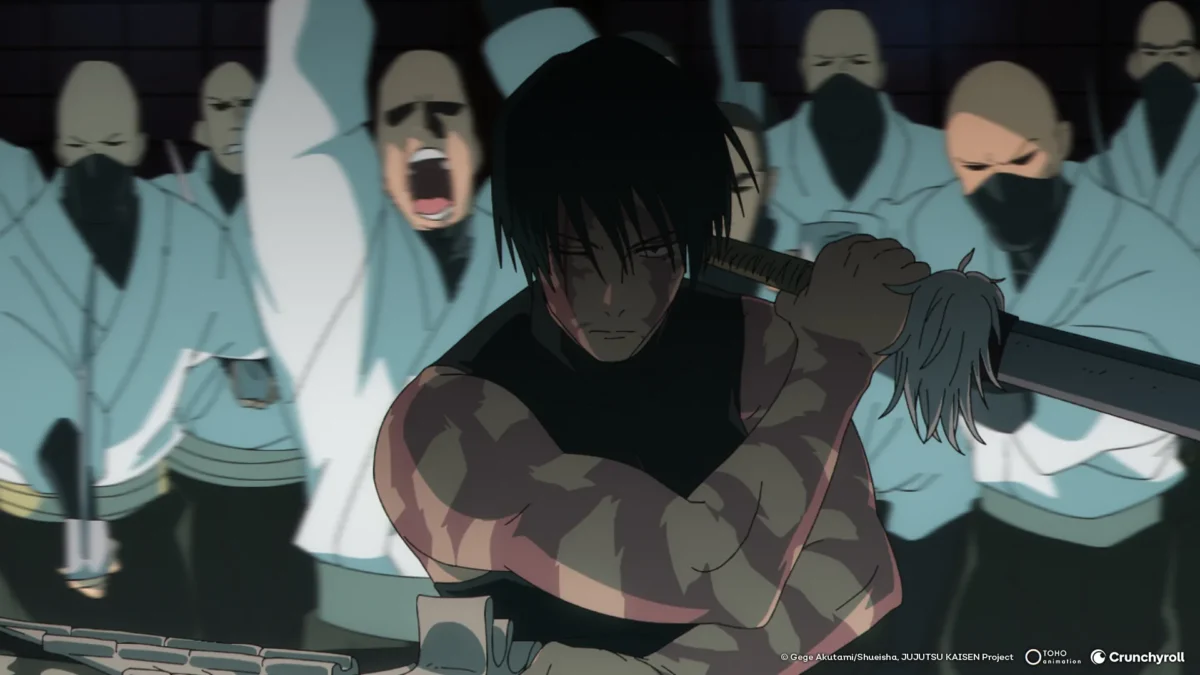
The authority technique of Mappa It is indisputable, but it is precisely its artistic approach that has generated discord at this key point of Jujutsu Kaisen. The 28-minute episode used an aesthetic that many compared to Quentin Tarantino’s cinema, specifically Kill Bill, with saturated colors and highly stylized frames.
For local fans, this “cinematography” diluted the somber and oppressive atmosphere that characterizes the original work of Gege Akutami. It is argued that the accelerated rhythm and the vibrant music did not allow the viewer to process the gravity of the events that occur on the screen.
Tragedy or simple “power-up”?
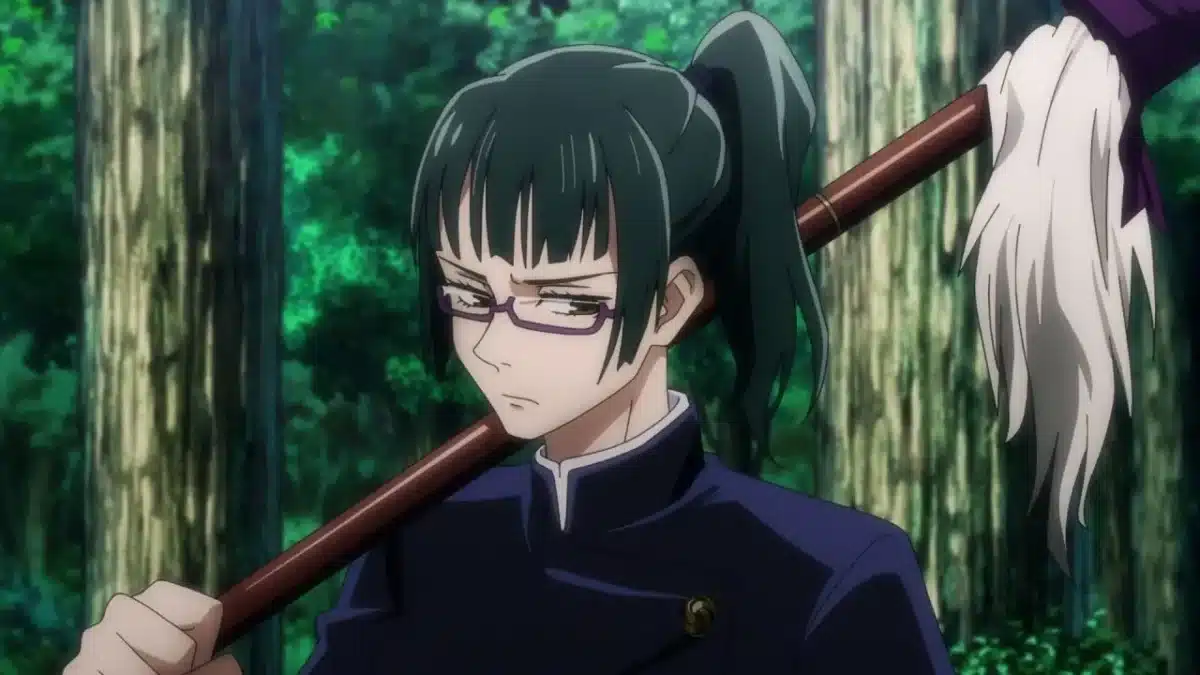
From the experience From the Japanese viewer, Mai Zenin’s sacrifice treatment is the most painful point of criticism. For them, the narrative felt stripped of their emotional weight.
| Western perspective | Japanese perspective |
| Visual brutality: Celebration of fluency and combat choreography. | Empty show: Sensation that the action overshadowed the mourning of the sisters. |
| Epic Power-Up: Emotion to see Maki’s new power level. | Painful transformation: complaint that it was seen as a trope of action and not as a tragedy. |
| Modern aesthetics: Applause to the use of innovative colors and angles. | Lack of fidelity: Criticism of the loss of raw and gloomy tone of the manga. |
The adaptation dilemma
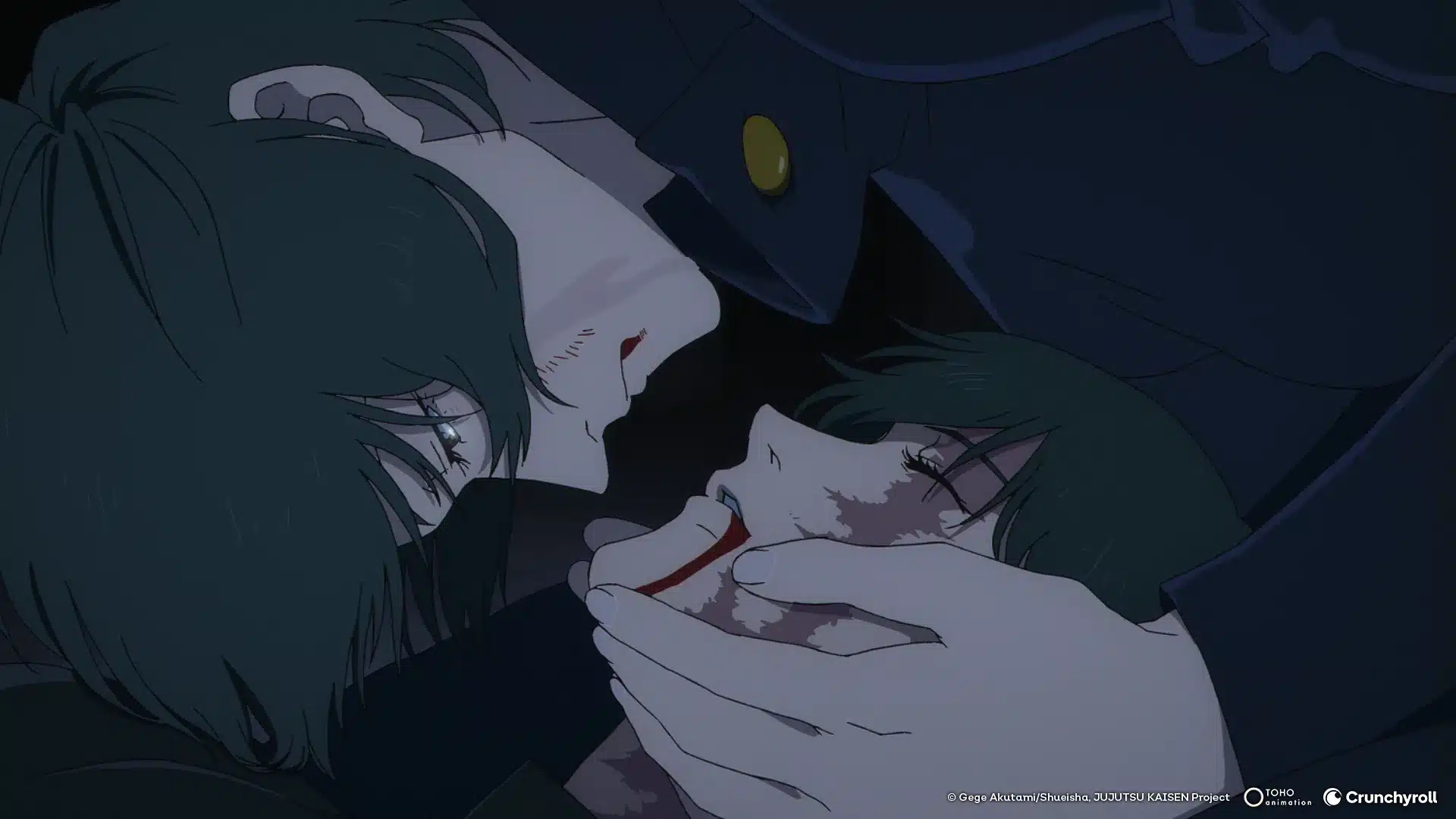
The reliability of an adaptation is always measured by its ability to transmit the essence of the original material. Japanese fans of Jujutsu Kaisen They are usually much stricter with emotional fidelity than with visual fidelity.
“Instead of feeling like a painful transformation born of loss, the animation presented it as a simple display of stylized power.” — General sentiment in Japanese forums.
This phenomenon shows that sometimes “looking good” is not enough if the viewer feels that the “heart” of the scene was edited to fit into a video of social media highlights.
The risk of “globalization” of the style
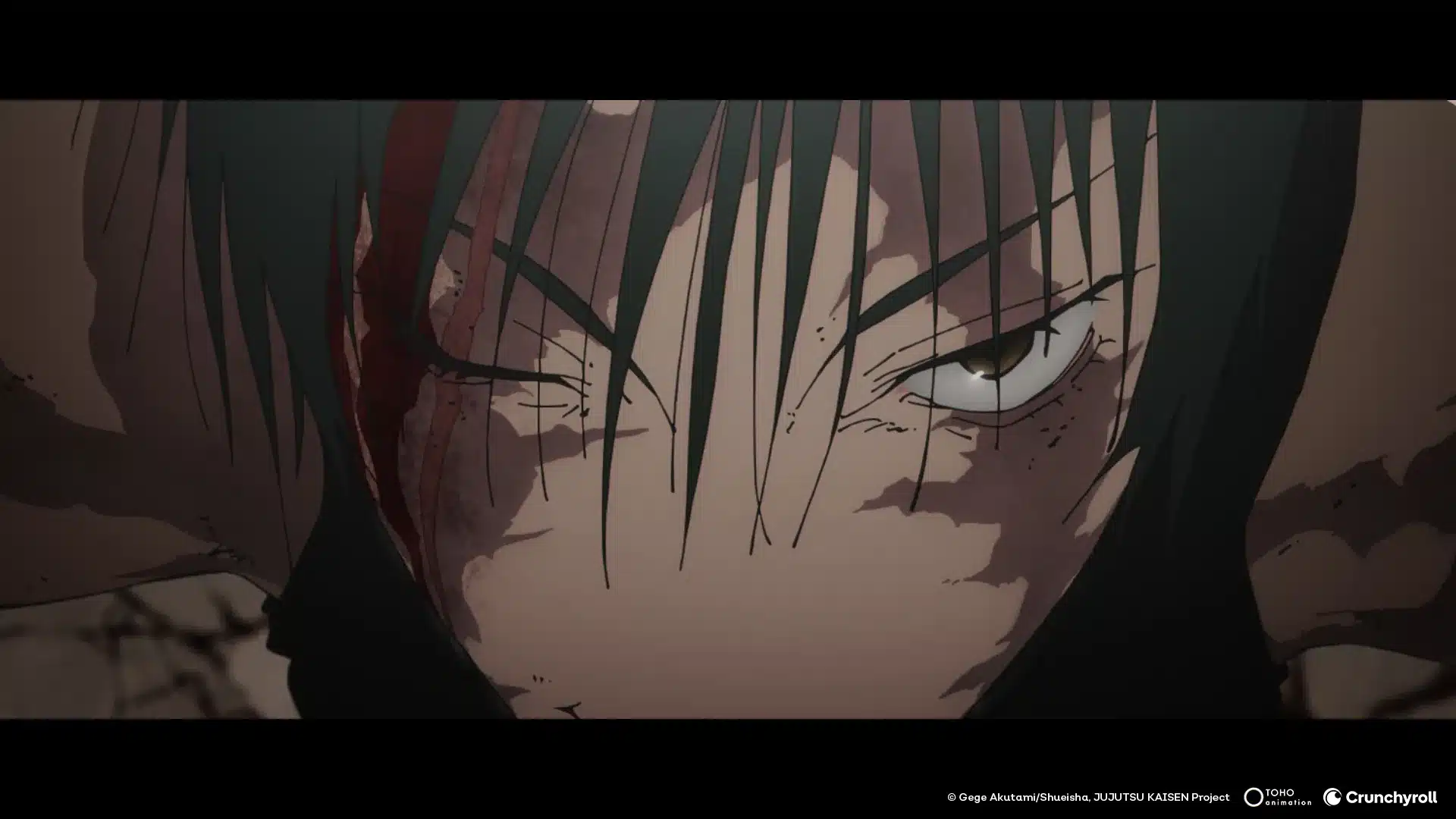
The controversy over Maki’s episode in Jujutsu Kaisen He puts on the table the eternal debate between form and content. Mappa created a piece of undeniable visual art, but perhaps underestimated the emotional attachment of the Japanese public to the trauma of the Zenin sisters.
Both sides are right. As Western viewers, we are used to the instant gratification of “good animation”, and what Mappa did was technically from another planet. However, I understand the frustration in Japan: When a scene is so stylized you end up saying “How amazing it looks!” Instead of “How sad is this!”, the direction has failed in its original narrative purpose.. Jujutsu Kaisen It is a story of curses and repentance; If you take away the emotional weight to make it look like a Hollywood action movie, you’re losing some of what makes it unique.
Do you think that “hyperkinetic” animation helps to modernize the anime or do you prefer a more leisurely and grim style that respects the feeling of the manga? We want to read your opinion in the comments!