The construction of the world is not always evident from the first chapter. Sometimes it is revealed little by little, with subtle details, brief dialogues or scenarios that say more than they show. That’s precisely where the magic is: when the anime trusts the intelligence of the viewer and does not need to explain everything literally.
What is world building in anime?

building world, or worldbuilding, is the process by which a work creates its narrative universe. In the Anime, this includes from geography and physical laws to power systems, economy, religion and technology. It’s not just about inventing a fantastic world, but about making it consistent and consistent.
A good worldbuilding It makes the actions of the characters make sense within that universe. If there are clear rules, the viewer can anticipate consequences and understand conflicts without having to explain everything over and over again. When this fails, the world feels artificial and the immersion breaks.
The importance of worldbuilding for narrative
The construction of the world is the basis on which the whole story is supported. A well-developed universe allows you to create complex conflicts, credible plot twists, and characters that react logically to your environment. In many cases, the world is not just a scenario, but an active element that directly influences the plot.
In addition, a good narrative world gives identity to the anime. It’s what makes you remember it and differentiate it from other similar titles. There are animes that can have a simple premise, but thanks to their universe they end up being unique.
Featured World Building Anime
Over the years, anime has given us incredibly detailed universes. Some do it from epic fantasy, others from science fiction or even mixing genres. Here are some examples that stand out especially for their worldbuilding.
Fullmetal Alchemist: Brotherhood and a world with clear rules

Fullmetal Alchemist: Brotherhood It is one of the most solid examples of anime with detailed world construction. The country of Amestris has not only a defined geography, but also a political and military system that directly influences history. Alchemy, the central axis of the anime, works under strict laws: the equivalent exchange and its consequences.
What is interesting is how the world affects all the characters, not only the protagonists. Soldiers, civilians and scientists live under the same rules, which makes each decision weigh. Nothing seems random, and that greatly reinforces the credibility of the universe.
Attack on Titan and the progressive revelation of the world
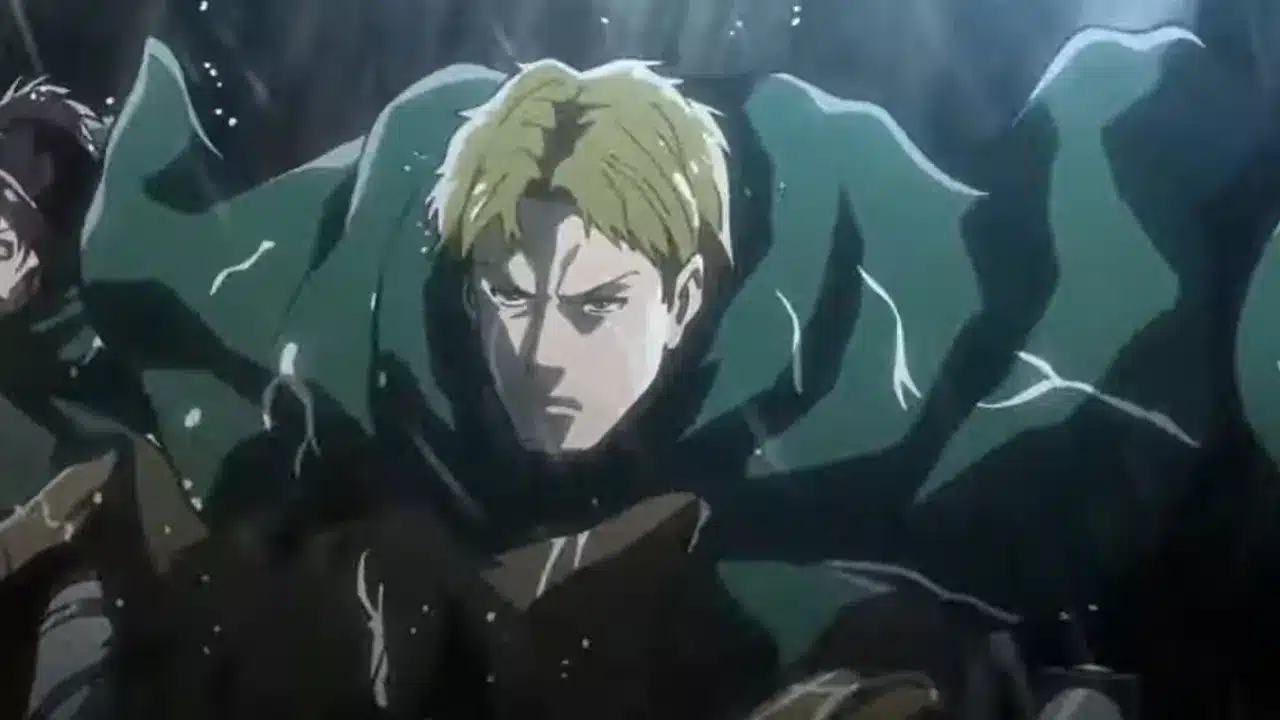
On Attack on Titan, the construction of the world is gradual. At first, the viewer only knows humanity within the walls, but with the passage of the episodes the world expands brutally. History, politics, ideologies and conflicts between peoples are revealed in an organic way.
This anime shows that it is not necessary to show everything from the beginning. On the contrary, discovering the world together with the characters makes each revelation have a much greater impact and that the universe feels deep and tragic.
Made in Abyss and a world that is one more character
Made in Abyss It’s a fascinating case. The abyss is not just a place, it is the heart of all of history. Each layer has its own rules, creatures and dangers, and descending implies physical and psychological consequences.
The most remarkable thing is how the anime makes the viewer feel curiosity and fear at the same time. The world is beautiful and cruel, and that duality makes it one of the most memorable universes of modern anime.
Expansive worlds and long-term narratives

Some animes are betting on a world build that runs for years, even decades. This type of approach requires planning and consistency so as not to lose coherence.
One Piece and an ever-expanding universe
Talk about worldbuilding to say nothing of one piece It is practically impossible. The One Piece world is huge, diverse and surprisingly consistent. Each island functions as a small country with its own culture, climate and power system.
The most impressive thing is how seemingly minor events end up having huge consequences hundreds of episodes later. That continuity makes the world feel alive and constantly evolving, something that few animes manage to sustain for so long.
Hunter x Hunter and rules that enrich the world
Hunter x Hunter He stands out for his intelligent way of expanding his universe. Nen’s system is complex, but it is so well explained that it becomes a powerful narrative tool. Each arc introduces new facets of the world without contradicting what has already been established.
From exams and mafias to unknown territories, the anime manages to expand without losing coherence. That shows a worldbuilding Long-term thought, even when history takes unexpected paths.
Why do these worlds attract us so much?
The detailed world-building anime invites the viewer to become actively involved. Not only do you look at the story, but you begin to make theories, to imagine what is beyond the known map or how certain aspects that are hardly mentioned work work.
In addition, these worlds usually reflect real problems such as war, social inequality or abuse of power. Being naturally integrated into the anime universe, these themes feel more impactful and less forced.
When the world becomes unforgettable
The Anime with detailed world construction It offers a much richer experience than simple action or shallow drama. They are universes that feel alive, with history, rules and conflicts of their own. For those of us who love anime, these types of series are the ones that are most enjoyed and the ones that remain in memory the longest.
Getting lost in these worlds, analyzing their details and discovering new layers is part of the charm. And precisely for that, the worldbuilding It remains one of the most important pillars of the anime that really leaves its mark.
When we talk about Anime with detailed world construction, we refer to those series that go far beyond a good animation or a captivating story. They are animes that create complete universes, with their own rules, history, politics, cultures and conflicts that feel real. As someone who has consumed anime for years, I can say that the worldbuilding It is one of the factors that I enjoy the most, because it is what allows you to lose yourself in a story and feel that that world continues to exist even when the episode ends.
The construction of the world is not always evident from the first chapter. Sometimes it is revealed little by little, with subtle details, brief dialogues or scenarios that say more than they show. That’s precisely where the magic is: when the anime trusts the intelligence of the viewer and does not need to explain everything literally.