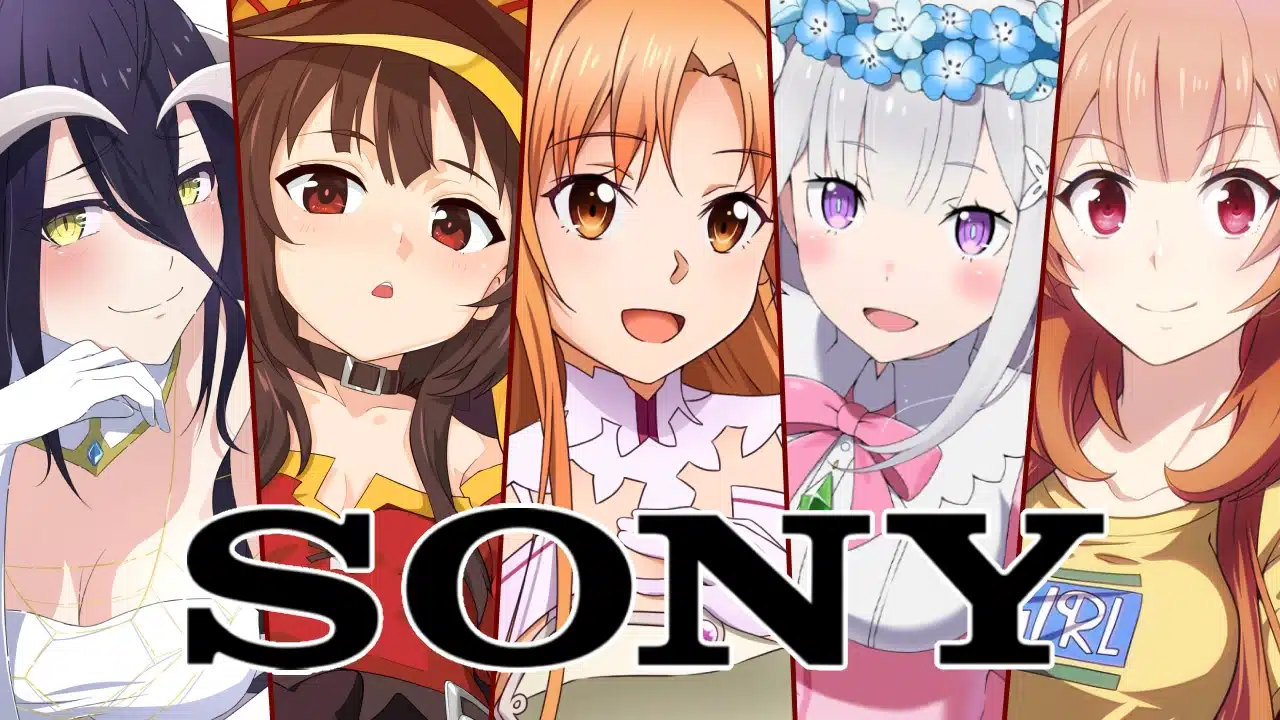
A thread in the Japanese forums has gone viral this week, revealing a collective feeling about how “Sony is dominating Japan’s content.” By commenting, fans are connecting the points that support this theory, music (Sony Music with YoAsobi, , Kenshi Yonezu), the anime (aniplex), the global distribution (Crunchyroll), the movies (Sony Pictures) and video games (playstation). In short, there is a division of Sony that controls different aspects of the consumer of otaku content perfectly and with plans to continue growing.
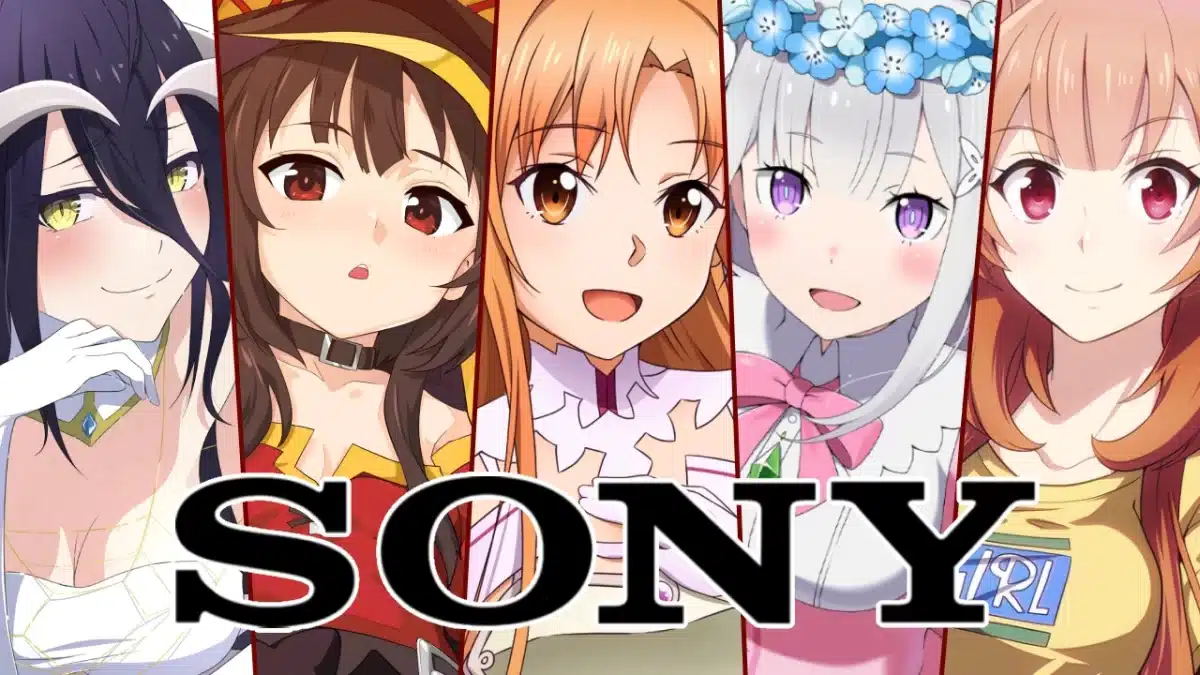
This observation is not a simple coincidence, it is the visible result of a strategy of Vertical integration what Sony It has perfected and continues to improve to cover more markets where anime and Japanese culture are booming. They are not only distributing anime; They are controlling the entire production chain and in a way it even seems dangerous for many fans. We analyze how Sony built this silent monopoly and why the entire anime industry now depends on them.
The central pillar: Aniplex (the producer, not only the distributor)

The most common mistake is to think that Sony only “distribute“Anime abroad through its streaming platform Crunchyroll. When the truth is that, through its subsidiary aniplex, , Sony is one of the producers and financiers largest in the industry, having a fairly robust franchise portfolio that grows exponentially each year, adding hundreds or even thousands of titles.
For example, a massive success Demon Slayer, , Jujutsu Kaisen, , Frier or Bocchi The Rock!, , aniplex It is not a minor partner; is a key member of the Production Committee (製作委員会). This means that They finance the anime And, in return, they get a massive share of profits from everything (merchandising, music, global distribution). Therefore, they are involved in multiple ways with high-impact franchises, even though the title in question is acquired exclusively by some platform such as Disney+.
The Perfect Synergy: The Aniplex Circle, Sony Music and Crunchyroll
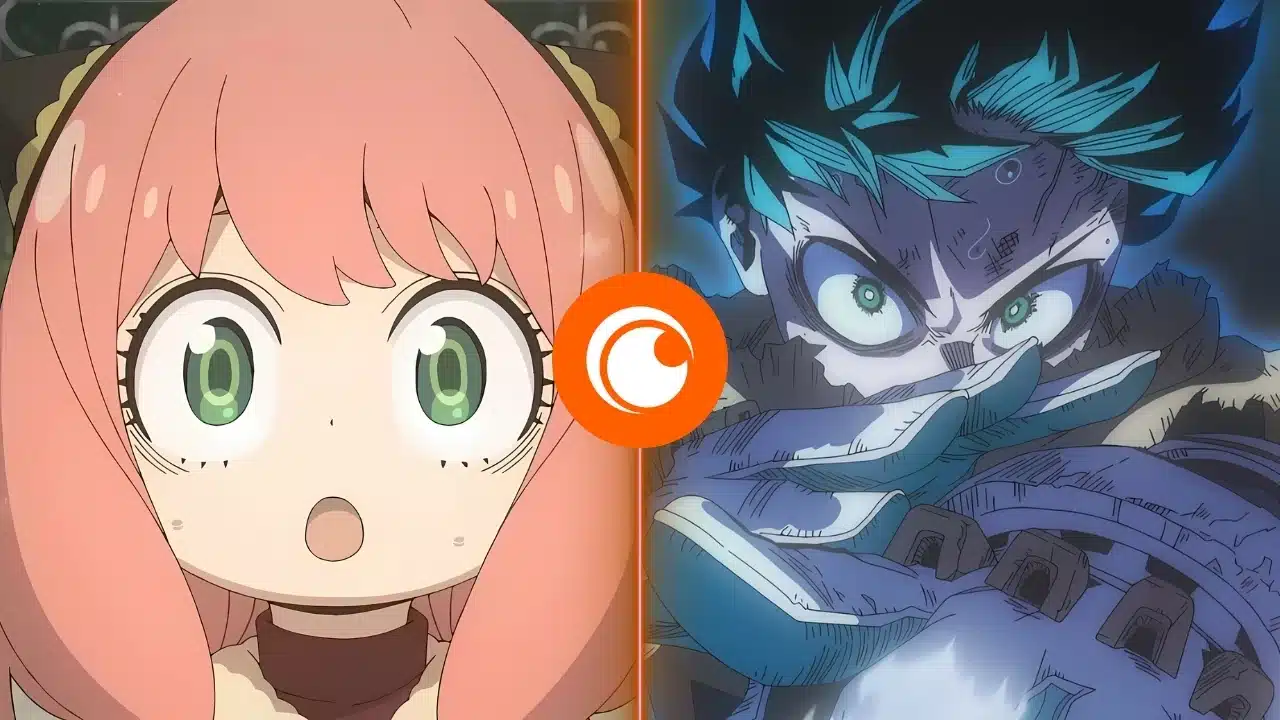
The real Expertise of Sony It lies in how its divisions work together to create a closed ecosystem from which it is impossible to escape and monetize multiple sections of each franchise. It’s a perfect earning circle:
- Production (Aniplex): They finance the anime (ex: Jujutsu Kaisen).
- Music (Sony Music): aniplex (d)Sony) “hires” an artist Sony Music (d)Kenshi Yonezu, , Tatsuya Kitani) for him opening. The anime becomes a global announcement for the song, and the song becomes viral marketing for the anime. They get money from every series they launch and at the same time for the theme song, while using the franchises they are involved in to position their artists.
- Distribution (crunchyroll): Sony bought Crunchyroll, giving them the world’s largest anime distribution platform. Now aniplex (d)Sony) License your greatest successes to Crunchyroll (d)Sony). in a nutshell, Sony pays Sony to have your own animes and it is Crunchyroll Who licenses franchises to distribute globally from the competition, guaranteeing almost total control of the anime outside of Japan.
- Games (playstation): When the anime is a success, even if the distributor is another company, aniplex ends up involved. A clear example is Demon Slayer: The Hinokami Chronicles, title that is distributed by segabut ends up involving aniplex, who also appear in the copyright legends of said title, ensuring that the profits from sales in playstation (d)Sony) return to Sony. Although having their own ecosystem of consoles, although they are not directly involved, it is enough that they buy a copy of said game to earn a percentage.
Why does it matter? The end of the study “subcontracted”
For decades, industry complaint (as we saw in the analysis of Mappa) was that the animation studios were “outsourced” who did not earn money even if the anime was a success. Although it is important to note that aniplex Also, from time to time, they end up making animations for projects outside of Sony.
Sony, through aniplex and your property of studies such as A-1 Pictures and Cloverworks (what They are of aniplex), has solved this. Owning the study, the production committee (aniplex) and the distributor (Crunchyroll), All profits stay at home. As a fan in the forums said: “They are the Tencent of Japan.”
Verdict: Is it good or bad for the anime?
Sony’s total dominance is a double-edged sword for industry.
- THE POSITIVE: The budgets are larger. the visual quality of productions aniplex (d)Demon Slayer, , jujutsu) is usually spectacular because they have the financial support to bet heavily.
- the negative: reduces diversity. Sony You can decide what becomes popular and what is not. If a manga does not interest them, they will have difficulty competing against the “Sony Ecosystem”.
Our verdict as analysts is that the domain of Sony is the natural evolution of the market, replicating the model of Disney/Marvel. Counting on the advantage of having very well diversified IPS hands to attack different attention niches. They have shown that anime is a multi-million dollar industry, but the price is that the days of independent and surprising successes are getting more and more difficult.
Do you think that Sony’s domain is good for anime quality, or do you prefer the ancient era with more independent studies competing? Leave us your expert opinion in the comments!