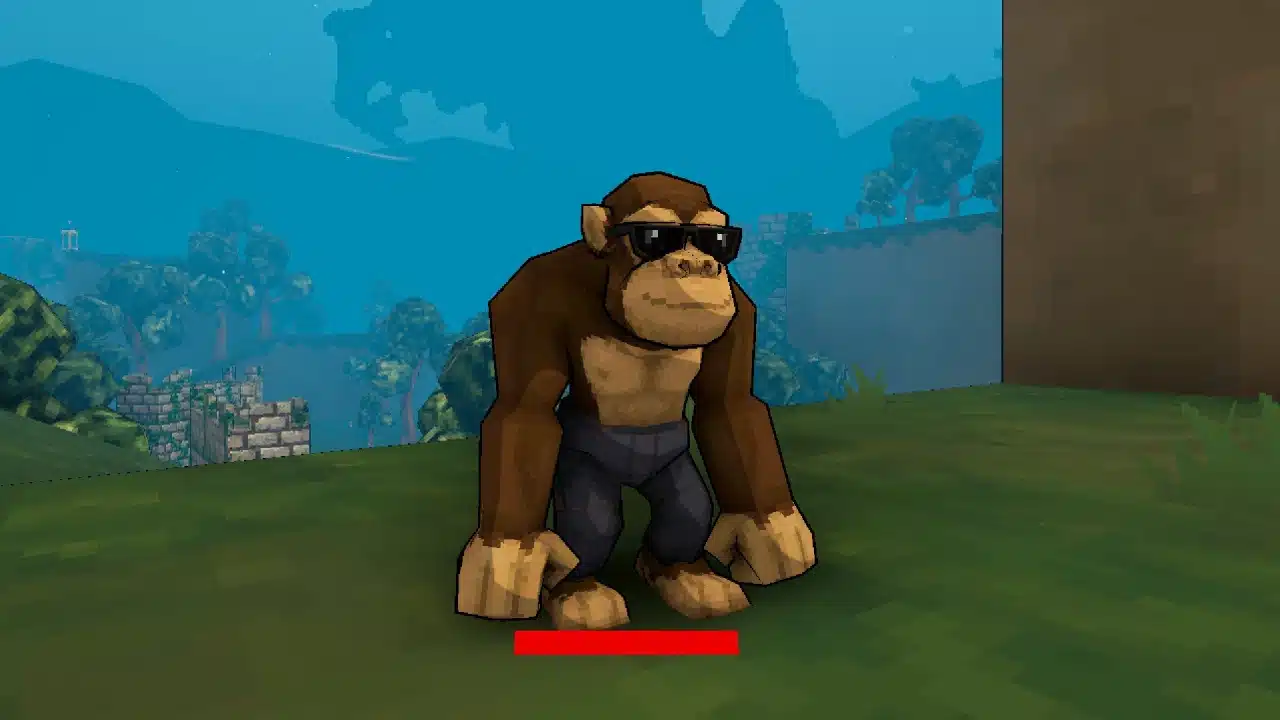
In an industry-obsessed industry, where studies fight for every inch of visibility and publishers invest millions in “For your consideration” campaigns, win a prize in The Game Awards It is the equivalent of winning an Oscar. It is the supreme validation, a seal of quality that guarantees sales and places the creator on the global map. However, this week we witnessed an absolute anomaly: the developer behind the viral success Roguelike Megabonk He decided to voluntarily withdraw from the category “Best Debut Debut Indie Game” (Best Indie Debut).
At first glance, giving up a global platform before millions of viewers seems like a commercial suicide or madness. But after analyzing the developer’s statement, known under the pseudonym of vedin, it is clear that we are not facing a mistake, but rather a movement of transparency and professional ethics that should be the gold standard in the development of video games.
The radical honesty of “John Megabonk”
The news fact is simple but powerful. After announcing the nominations, Vedinad went to X (formerly Twitter) to reject the honor. His explanation was direct: “It’s an honor and a dream for MegaBonk to be nominated for TGA, but unfortunately I don’t think I’ll qualify for the Debut category Indie Game”.
The technical reason is that Vedinad has already created games in the past under different studio names. Though Megabonk It feels like its big irruption on the scene, accepting the “debut” label would have been, in their own eyes, a lie. He could have been silent; In the New Year’s Eve News, it is very likely that no one had thoroughly investigated their past history immediately. However, by stepping aside, the creator protects something more valuable than a statuette: his integrity and respect for his colleagues.
Geoff Keighley, the awardsee, confirmed the situation by revealing that the developer stepped up personally to clarify that he is a “established lonely developer who had introduced himself as a new creator.” Keighley thanked the honesty and confirmed that the game will be removed from the category.
Megabonk and the ghost of Dave the Diver
To understand why this gesture is so relevant, we need expert context. The category of “best indie” or “best debut” has been plagued with recent controversies over what really defines an independent game.

The PC Gamer article correctly highlights the comparison with Dave the Diver In 2023. That game, although it had all the aesthetics and “soul” of an indie, was developed by Mintrocket, a subsidiary of the Korean corporate giant Nexon. His nomination generated intense debate on whether it was fair that a production with corporate backing competed against developers who work from their rooms.
Vedinad has done the opposite of Nexon. Instead of taking advantage of a gray area in the rules to gain advantage, you have applied a much more severe self-imposed constraint.. by saying “I don’t want to take away recognition from other real debut teams”, shows a camaraderie and a respect for the indie ecosystem that is very rare to see today.
A necessary precedent for the future
The fascinating thing about the case is how it redefines success. Vedinad, who signs his statements as “John Megabonk”, has achieved with his resignation a media coverage and a wave of sympathy that perhaps he would not have won or winning the prize. The community has massively applauded its decision, seeing in it an unusual “class” act.
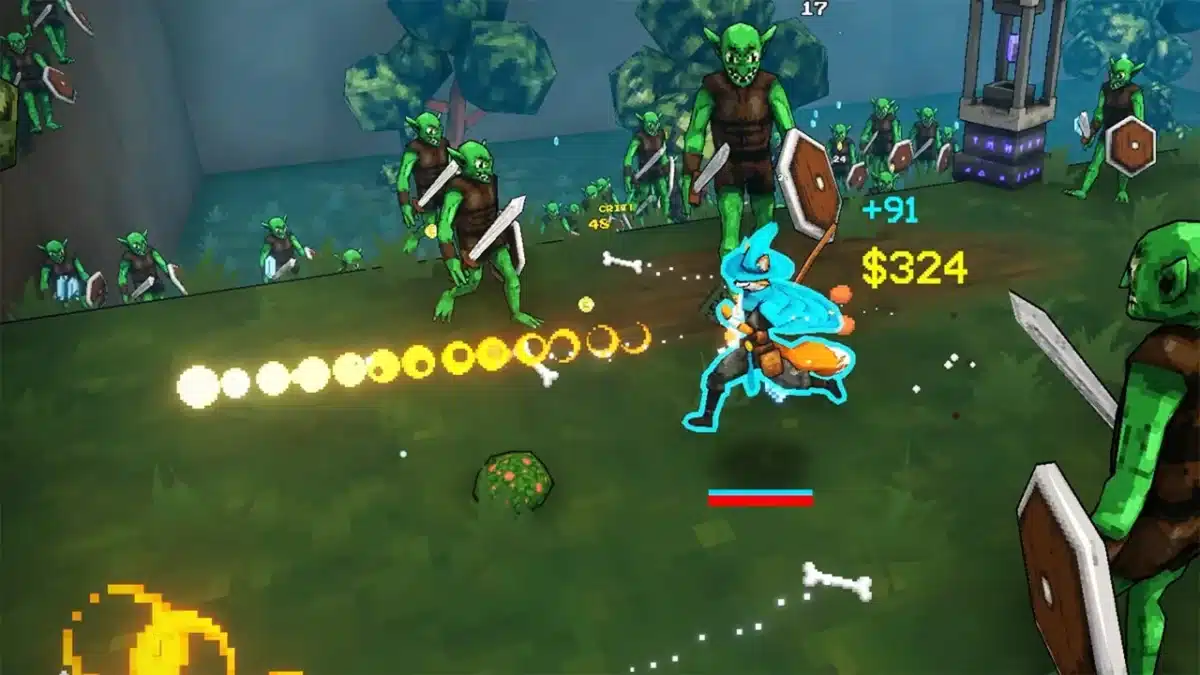
This movement puts a necessary conversation on the table: What is a debut? Does the first commercial game, the first successful game count, or the first game under a new identity? Vedinad decided not to leave that answer to the interpretation of the jury, but to his own conscience.
Verdict: Moral Victory
Vedinad’s decision sets a precedent in the industry. On the one hand, it gives rise to us reflecting on what the identity of a game as “indie” implies. On the other hand, the moral nuances that it entails allow us to glimpse that a company with much more budget has never questioned whether or not it is deserving of its nominations. It happens backwards, companies tend to take advantage of their prizes to further exploit sales numbers.
We have considered the “indie” game category for titles that do not present a marketing campaign as large as an AAA title could, or for games made by developers not so well known in the industry, but what are the criteria to consider a launch as an independent? Perhaps this is the perfect opportunity for the characteristics of what it implies to be redefined.
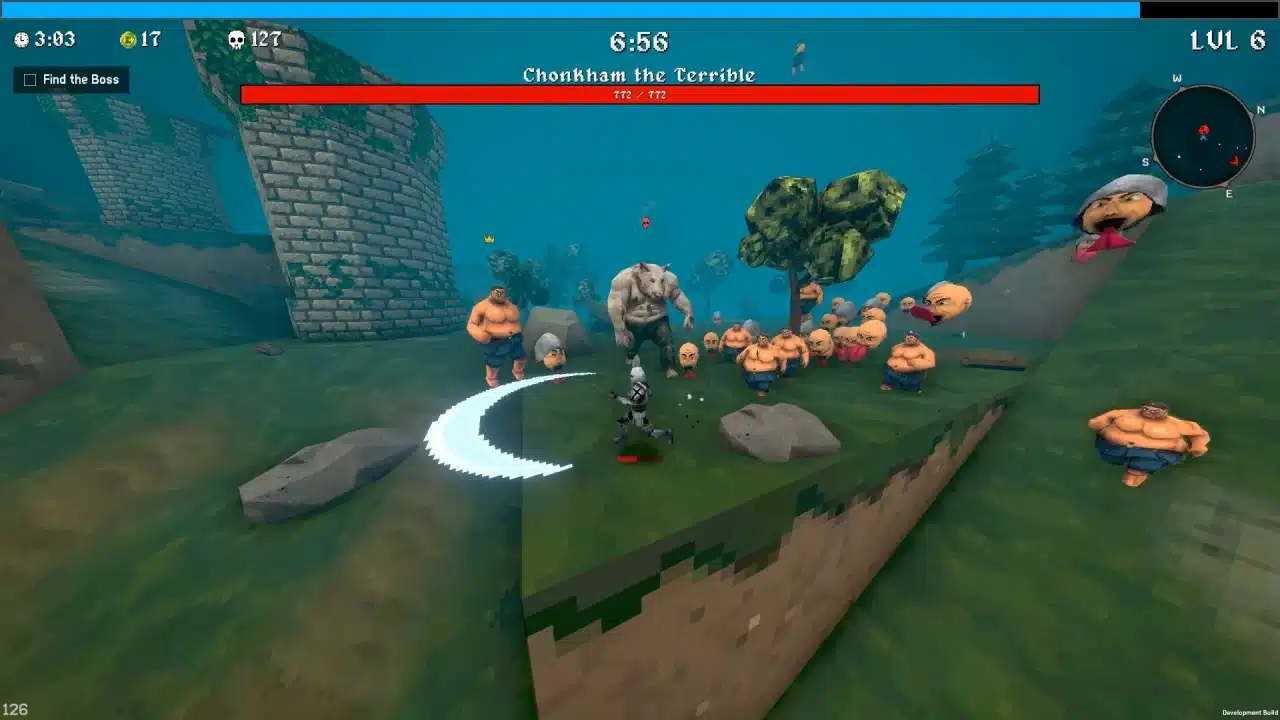
whether it was a marketing decision or not by the developer of Megabonk, the industry has welcomed the brutal honesty of the boy. As a result, their game has become extremely mediatic, which could translate into a considerable increase in title sales..
Would you have given up a world award for a technicality, or do you think it was too hard on itself? Leave us your opinions.