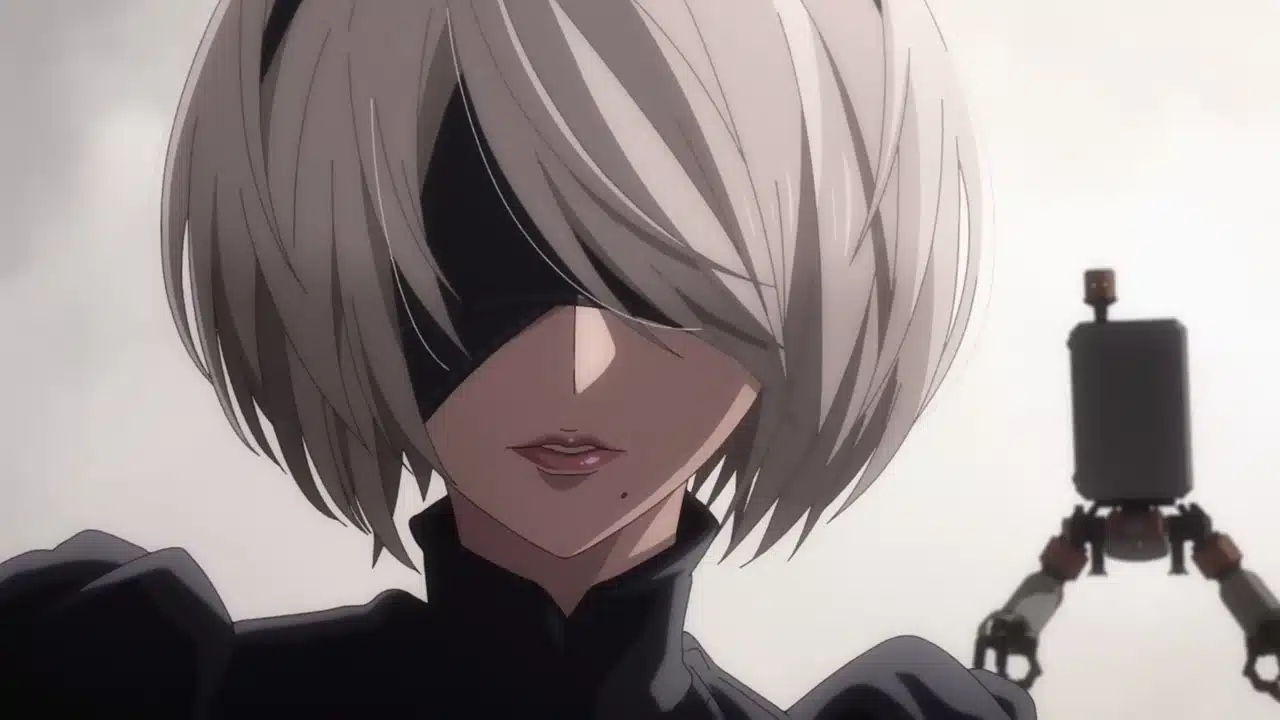
From the global phenomenon that represented Nier: Automata, fans have repeated the same doubt over and over: what has become of Yoko Taro?, did he retire? during the conference G-Con 2025 on South Korea, the peculiar creator finally approached the subject with a blunt sincerity: it is not that he has lost the desire to develop new games, but that the industry itself is sabotaging its projects before even allowing them to move forward.
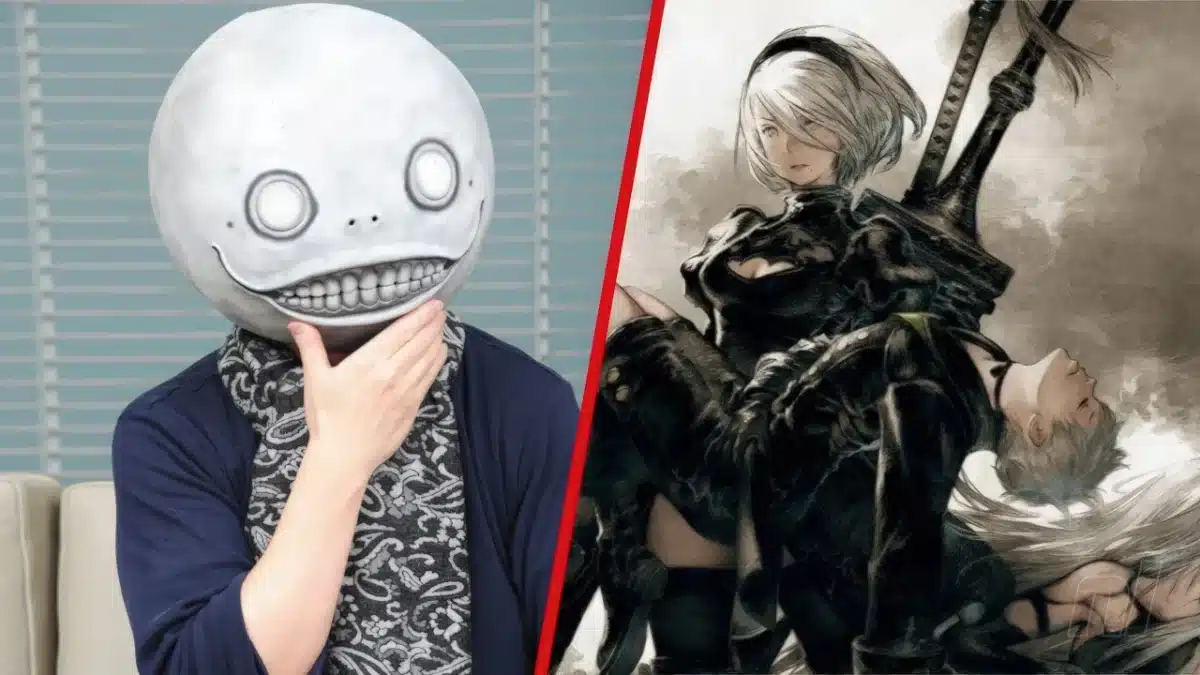
The “Phantom Developer” Curse
Yoko Taro He did not get around with detours when he faced the rumors that painted him as someone selfless or lazy. During his participation, he made it clear that public perception is far from reality. “They always ask me why I don’t make a sequel to nier Or why ‘I’m not working’. The truth is that several of My projects were stopped halfway”, he revealed without hesitation, his words immediately dismantle the simplistic narrative that the director simply disappeared due to lack of motivation.
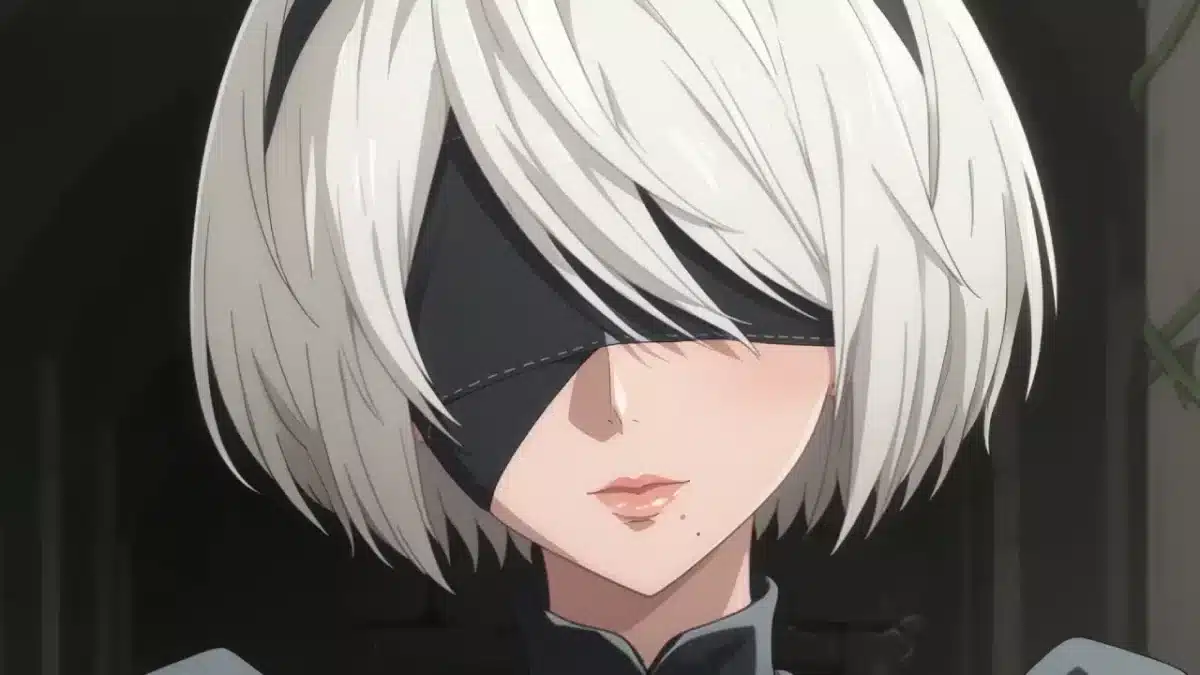
The statements of the Japanese creative open the door to a much deeper problem within the industry. Yoko Taro It was even more explicit, “I was working, but those projects never saw the light. They paid me, so I personally have no complaints, but from the outside I don’t seem to do anything.” His comment suggests a bitter paradox where studies seek his name, his reputation and his ability to generate unique works, but once they face the reality of development, whether due to financial fear, creative doubts or corporate pressures, they choose to cancel the project before it progresses.
In an increasingly conservative market, where the cost of production has skyrocketed and failures can sink entire companies, Taro’s experimental and chaotic vision seems to have become too volatile an asset. What was once seen as an unpredictable genius now looks, for many investors, as an unacceptable risk. Its testimony not only denies rumors, but also reflects the tense and restrictive climate that dominates video game development in 2025.
Why do they cancel their games? The “evil technique” could be to blame

Why would a company stop the development of a project signed by a reputable creator? The answer could be, ironically, in the same conference where taro He spoke with an unusual frankness. There he revealed his particular management philosophy, a method that he himself baptized as his “evil technique”.
the creator of Nier: Automata He explained that his strategy to gain extra time is not to ask for it at the beginning, but to wait for the game to be up to date. 90% of its completion to propose Increase content by 30% more. This catches the publishers in the “Unrecoverable Cost Fallacy” (Concorde Effect), forcing them to extend the budget because they have already invested too much to cancel.
Here is the key, it is very likely that this manipulative tactic, which has worked in the past, is no longer tolerated by modern producers. When trying to force the hand of executives, taro It could be causing those same cancellations that he complains about. Studies prefer to lose what is invested in inflating an endless budget.
Contrast with Hideki Kamiya
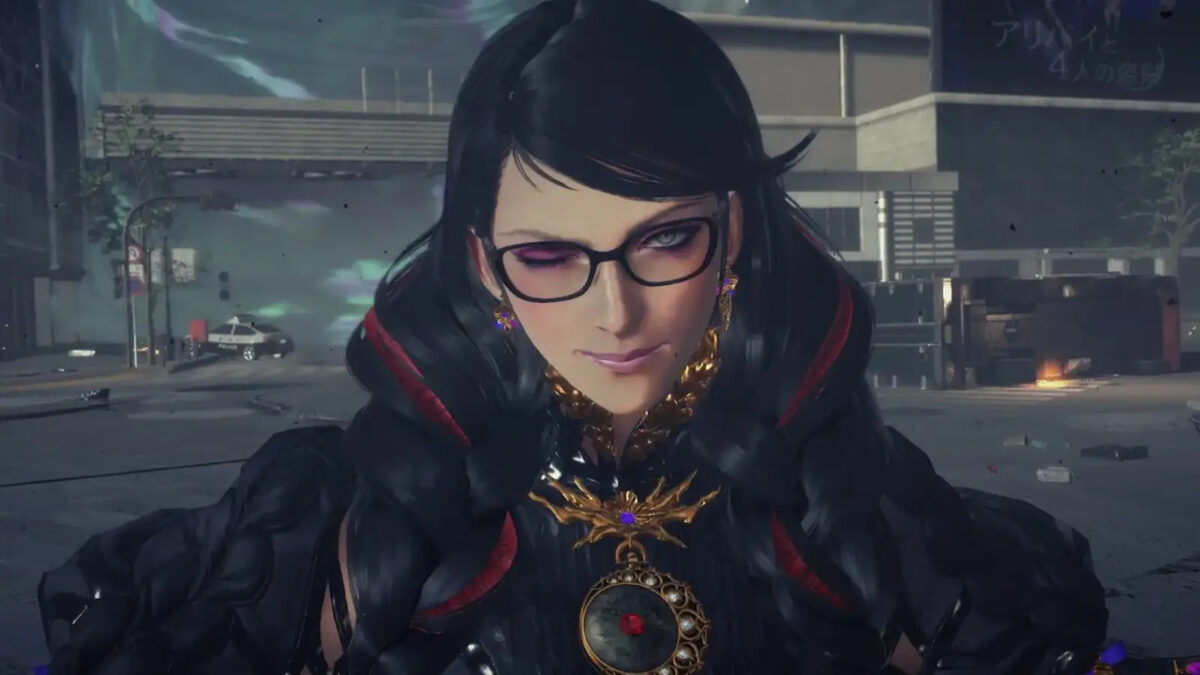
While Taro was talking about dead projects, next to him was Hideki Kamiya, who boasted of a study of 50 people and a new project of Okami On the go. The visual contrast was powerful, Kamiya represents team structure and management, while taro It has become a “lone wolf” whose ideas are too risky to survive in today’s corporate spreadsheets.
Verdict: Genius is a financial risk
the father of Nier: Automata He is not retired or left without ideas, he is being filtered by a market that no longer knows what to do with it. His confession makes it clear that the creative spark is still there, intact, but also that his projects crash against an industry that no longer trusts in its particular form, and sometimes chaotic, of doing things. It’s not that I’ve stopped creating; is that the system no longer allows you to reach the goal.
This leaves us with an awkward question: Are companies being too careful when canceling their games, or has Taro caught up in his own “evil techniques”? To what extent does the industry have the right to protect itself… and to what extent is it worth risking for a mind that can deliver something unique, even if it arrives “broken” and has to be patched later?
And now it’s your turn: would you play a new title of Yoko Taro Even if it came with rough edges and a very chaos of yours? Or do you think that the industry is doing well in putting a brake on it? We read you!