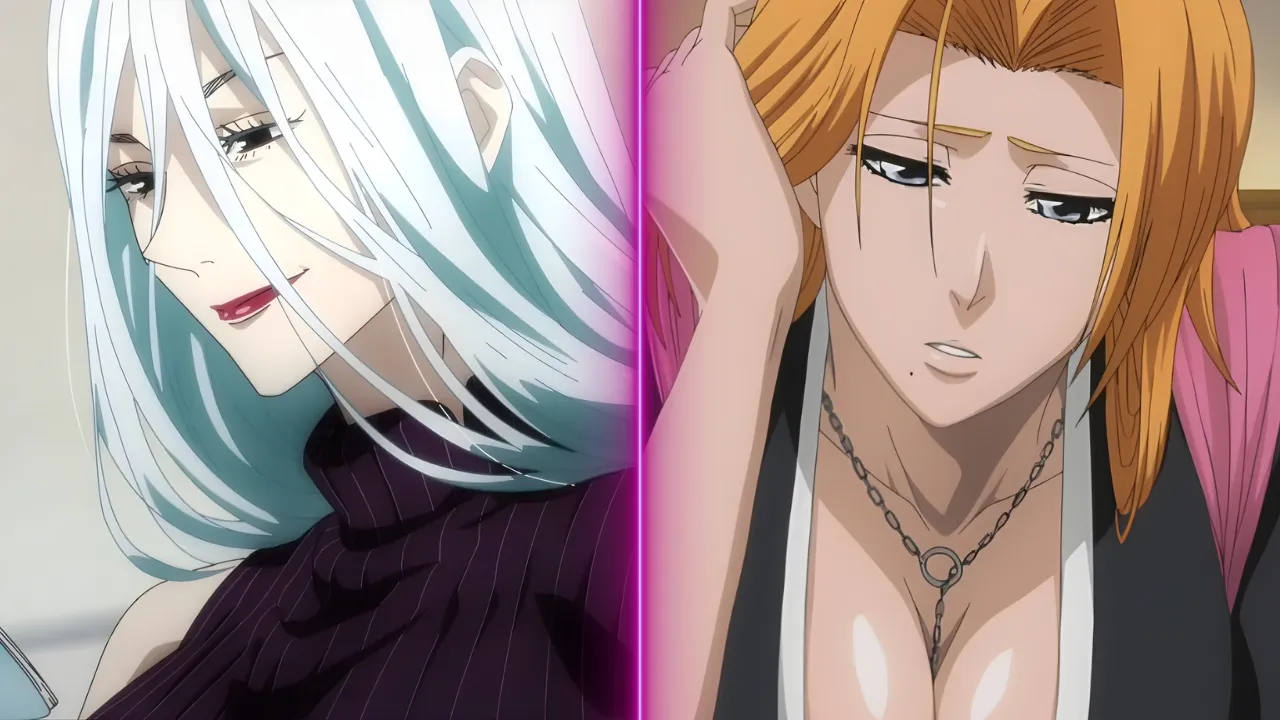
In a special interview between creators, Tite Kubo, Author of bleach, , surprised Gege Akutami with a direct confession. said that none of the female characters of Jujutsu Kaisen fits with your type. He clarified that he enjoys the series, but considers that his women are too strong and intimidating for his personal taste.. akutami He took the observation naturally. said that drawing womens has always been a challenge And, therefore, avoid designing them with a very feminine style. He explained that he is not comfortable working with that approach.
This exchange reveals much more than just a personal taste: Shows how the insecurities and preferences of an author become the essence of his work. the admission of akutami About her difficulty in drawing women, she explains why the protagonists of Jujutsu Kaisen They project force over traditional femininity, while the perspective of Kubo It shows how different creators react differently to that style. Why the sincerity of akutami It is key in the success of its women warriors and how it contrasts with the vision of Kubo? We analyze it thoroughly.
How Akutami’s stated limitation redefines female strength

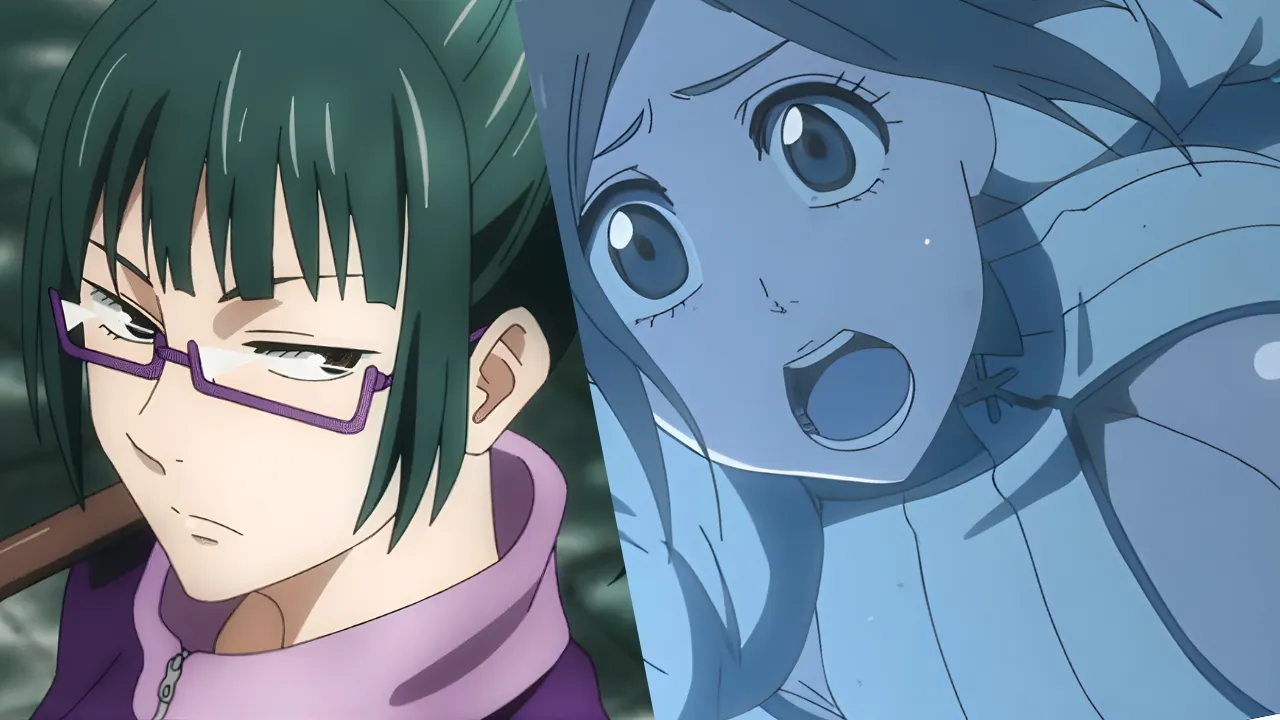
By avoiding stereotypical femininity or the fan service, akutami Directs attention to personality, combat skills, and narrative weight of figures like Nobara, Maki or Miwa. What for him is born as a technical insecurity ends up becoming an authorial brand. his female cast imposes by character and conviction, Not for visual appeal. That choice explains why it connects so well with the contemporary audience.
From the direct experience with the work and the shonen in general, it is noted that the women of Jujutsu Kaisen They rarely play decorative roles. They are not there to soften scenes or to serve as a romantic interest; They enter history as agents with their own will. Its design responds to the battle and the narrative, reflecting the self-demand of the akutami.
Differences in style between authors
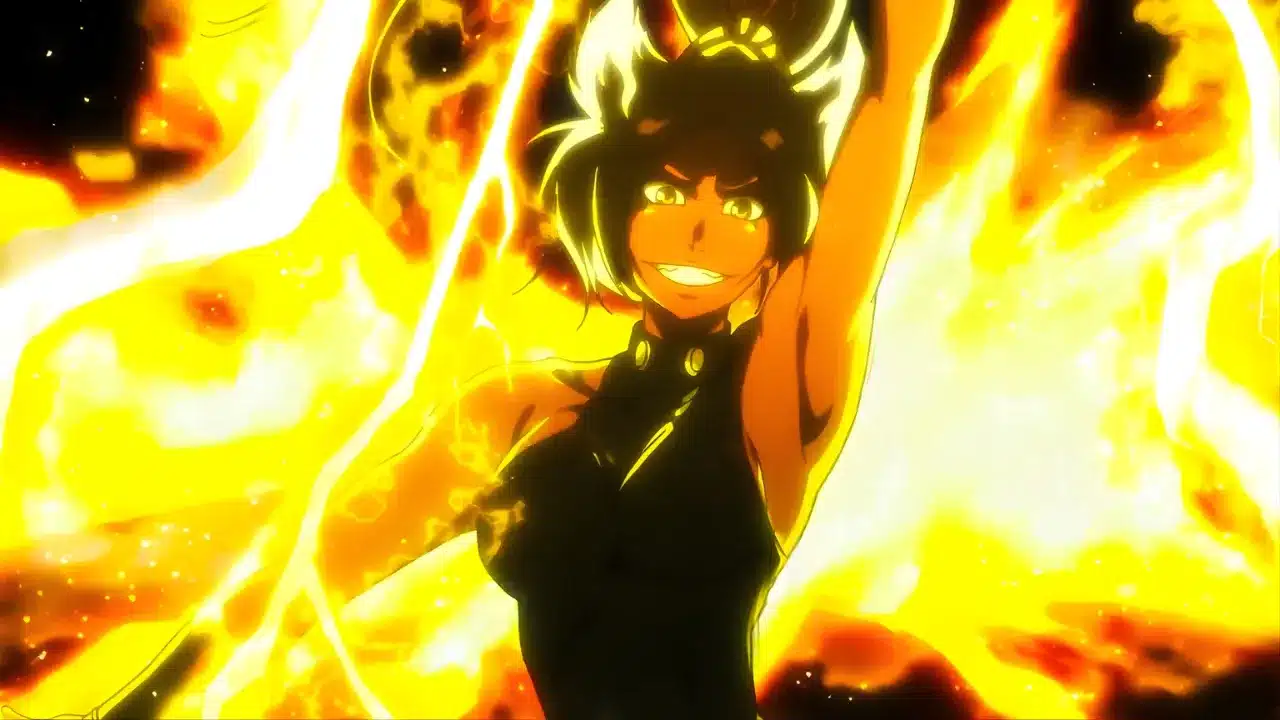
Kubo, Known for his aesthetic instinct and his ability to create iconic designs in bleach, part of a completely different sensitivity. Its characters usually balance strength with visual appeal, as it happens with Yoruichi or Rangiku, where elegance and style are part of the authorial seal. His comment is not born from a negative criticism, but from that fundamental difference: while akutami Build characters that you impose by intensity, Kubo Build figures that stand out for visual presence. From the experience following both authors, it is noted that the exchange was a gesture of creative respect between two opposing styles that have produced some of the most influential shonen of his generation.
Evolution in female representationto
The difference between creative generations is evident. While the styles of the 2000s, including those of the Big Three, They used to balance the feminine strength with touches of sensuality or roles of emotional support, the vision of akutami It aligns with a contemporary trend that prioritizes equality of power and presence without softening the characters by their gender. the “intimidation” that mentions Kubo It is, for many current readers, the most honest form of empowered representation.
It is clear that the modern audience prefers competent, complex and independent female characters rather than figures defined by their attractiveness. The personal limitation of akutami When drawing women it becomes a virtue, because it forces him to build characters from his strength, his character and his narrative impact instead of his aesthetic.
the verdict:
Kubo’s confession and Akutami’s response function as a master class on creative authenticity. Akutami has transformed its technical insecurity into a narrative advantage, shaping women who set a new standard within the Shonen. The contrast with Kubo does not speak of superiority, but of two very different ways of understanding the construction of characters, both equally valid and deeply personal.
From an expert perspective, the honesty of these two authors reveals why their works endure. The distance between the women of Bleach and those of Jujutsu Kaisen confirms that the look of the creator, with his tastes and fears, is the element that gives character and soul to each story.
Do you prefer the style of female characters of Jujutsu Kaisen (strong and intimidating) or that of Bleach (stylized and dual)? Leave us your opinion in the comments.
© 芥見下々/集英社・呪術廻戦製作委員会