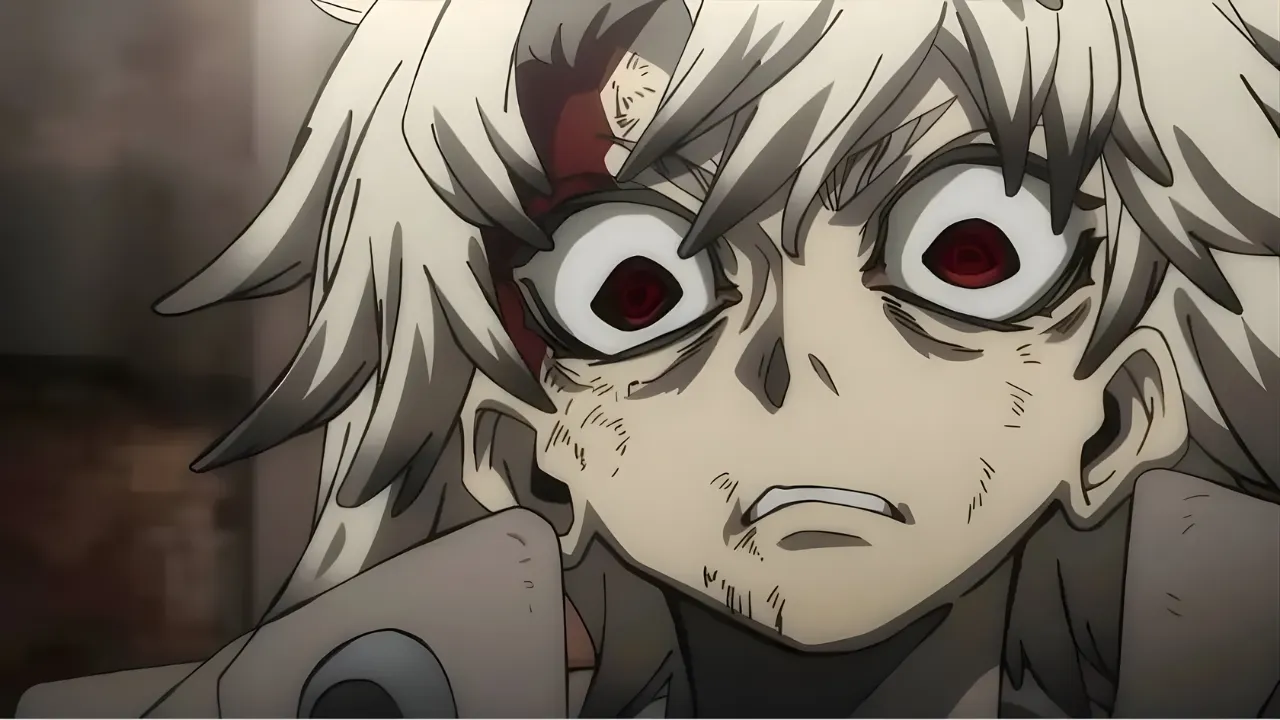
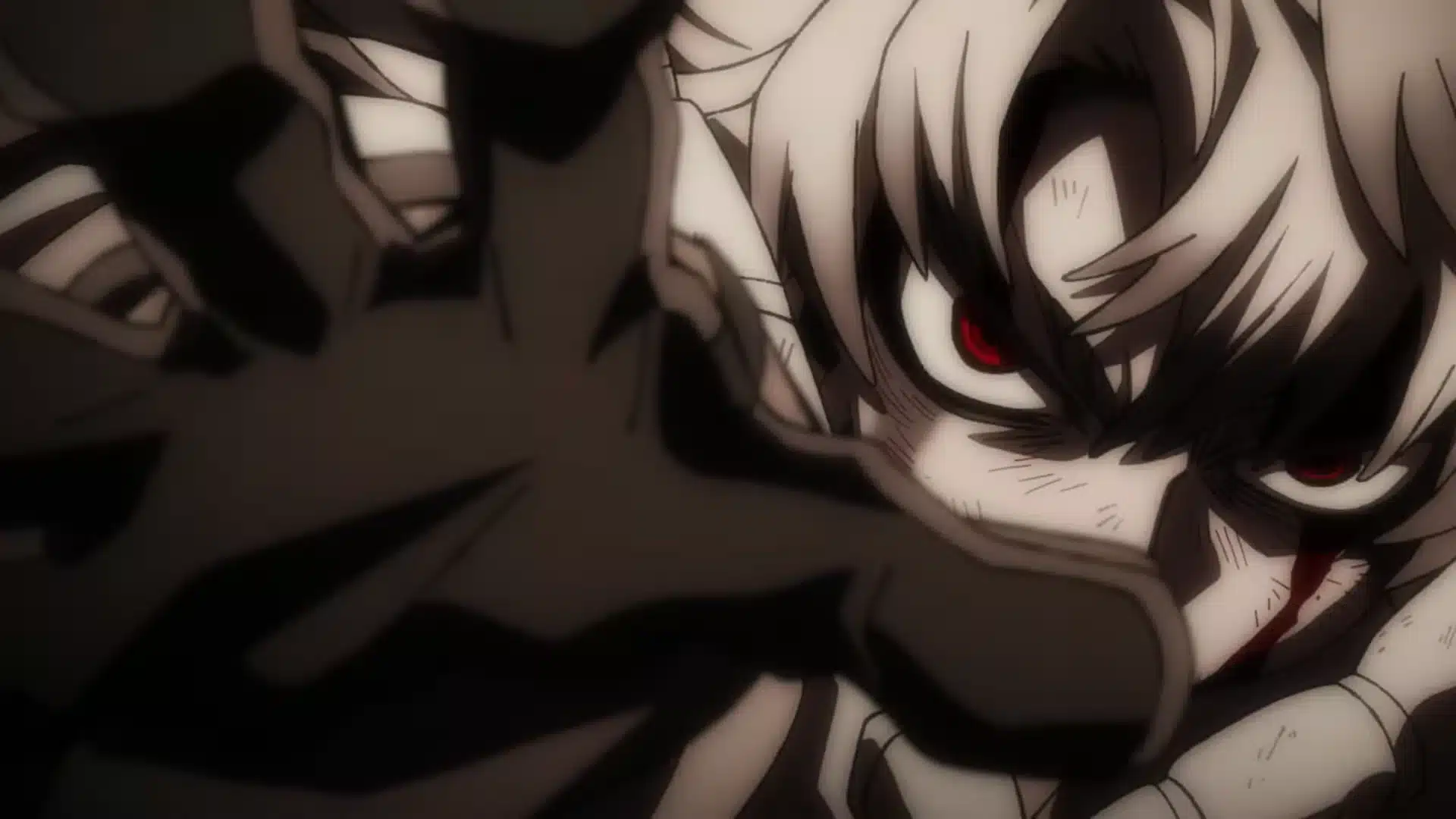
In episode 20 of gachiakuta, Viewers noticed an unexpected change: A scene was removed where a character lifted his middle finger. The production has not given a direct explanation, but everything indicates that it was a decision designed for television. The anime is broadcast at accessible times for minors, so the gesture could be problematic. More than a creative message, censorship seems like a measure to meet emission standards.
The irony is evident. Gachiakuta It shows without filters a world full of murders, revenge and cruelty in a hellish dump, but the television decides to intervene right in a simple middle finger gesture. Censorship is not only contradictory, but it raises a clear question: if the series already exhibits explicit violence, Why do strings prefer to delete a gesture rather than much harder elements? This contrast reveals a double standard in television regulation. The decisions seem to respond more to commercial expectations and to an appearance of “correction” than to the narrative coherence of the work.
The logic behind the television censorship in Gachiakuta
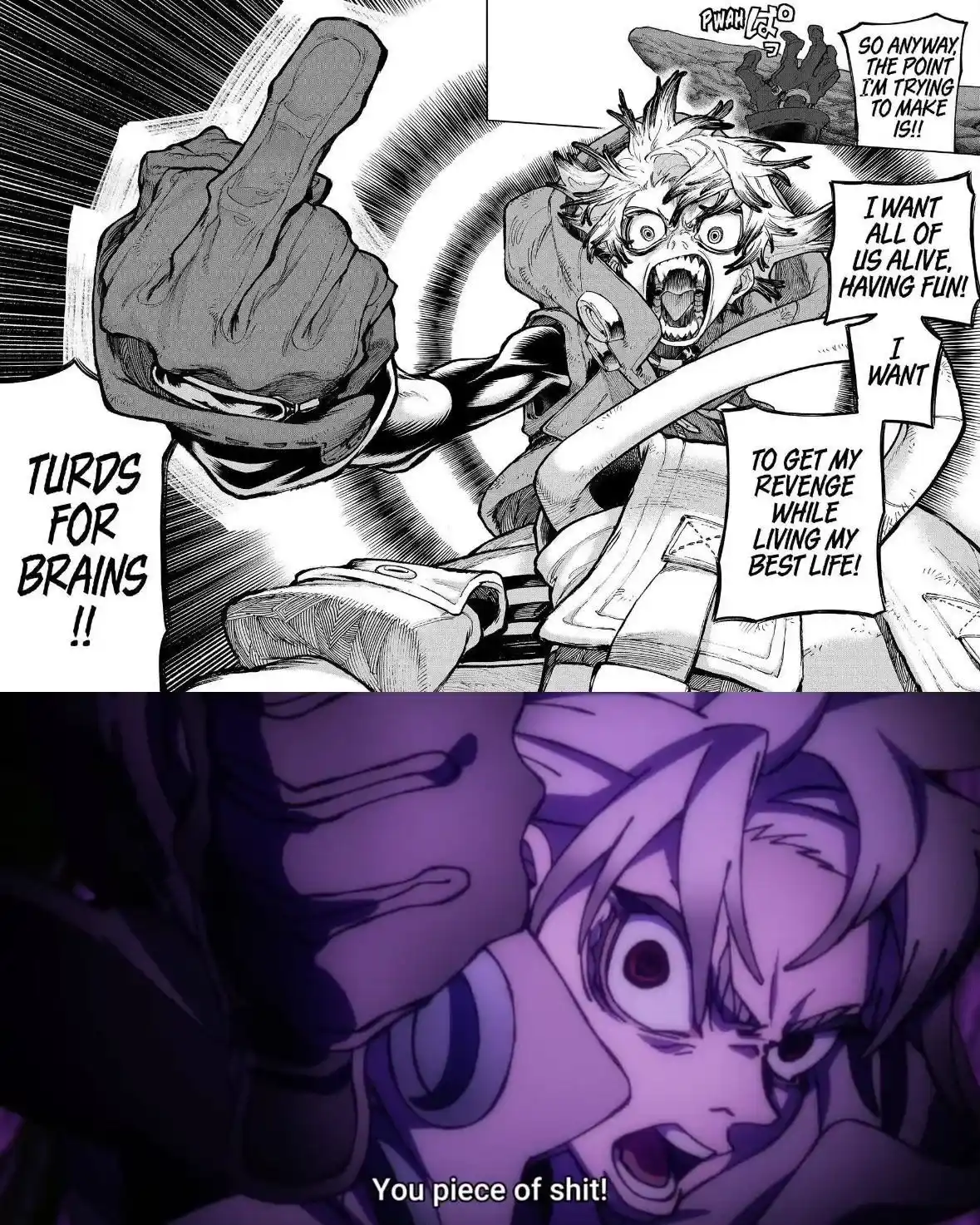
The television anime reveals here a very precise hierarchy on what it considers “offensive”. While the violence, murder or crudeness of the dystopian world of Gachiakuta They can be justified as part of the story, the middle finger belongs to another category: It is a universal symbol, immediate and culturally unequivocal. It does not need context, and precisely for this reason it is more “dangerous” for open broadcast.
From the logic of censorship, the gesture must disappear because any child who sees the transmission could imitate it. For many parents, That risk is perceived as immediate and tangible. Extreme violence, no matter how contradictory, is diluted under the fictional label. An obscene gesture, on the other hand, is a real behavior, daily and easy to replicate.
And from experience following other works with similar contents, the pattern is always repeated: censorship does not combat the brutality inherent in history, but what symbolizes direct rebellion in real life.
Why television sacrifices artistic intention for commercial security
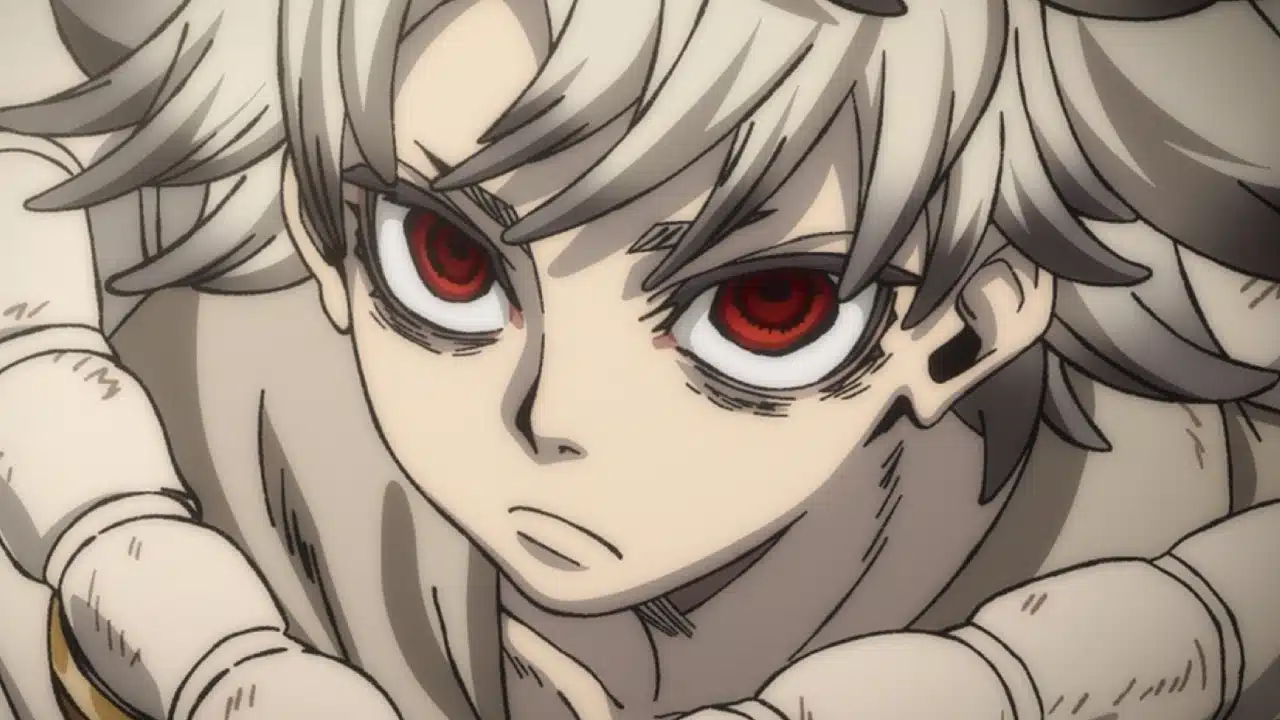
Though Gachiakuta It is aimed at a young adult audience for its raw tone, broadcast on open television Forces the chain to prioritize commercial criteria. A single gesture like the middle finger can activate “explicit” content tags, limit schedules and scare away cautious advertisers. That is why the study decides Soften the artistic intention of the scene to maintain the economic viability of the project. It becomes evident that an obscene, clear and replicable gesture represents a greater risk for the platform. Stylized violence or the dystopian background, on the other hand, generate less social alarm, so it censors what can make parents uncomfortable before the narratively brutal.
Narrative impact on character and work
Gachiakuta He builds his identity in the crudeness and the punk spirit of Rudo. In a world that functions as a hellish dump, a gesture of challenge as the middle finger fits naturally with its resentment towards the society that threw it into the abyss. By removing it, The scene loses part of its emotional charge and the rebellion of the protagonist is attenuated. The anime is dangerously close to a “cleaned” version of the manga that gave rise to it. For many followers, this censorship feels like an unnecessary polish of the original spirit. The irony is evident: the industry protects children from a simple gesture while diluting the wild essence of a story designed for adults.
the verdict:
The censorship of a single gesture in Gachiakuta is a clear demonstration that the reality of the television broadcast rules will always prevail over the narrative consistency of an anime. It is an uncomfortable compromise between the dark artistic vision and the need to have access to the larger platform.
We maintain that the real risk is not the gesture itself, but that the study is forced to sacrifice the visceral identity of the series for commercial adjustments. The paradox is clear: television prefers to show the consequences of violence (the páramo) than the expression of anger (the finger).
Do you think that the studio should have looked for a pure streaming platform to avoid this censorship and keep the original tone of Gachiakuta intact? Leave us your opinion in the comments.