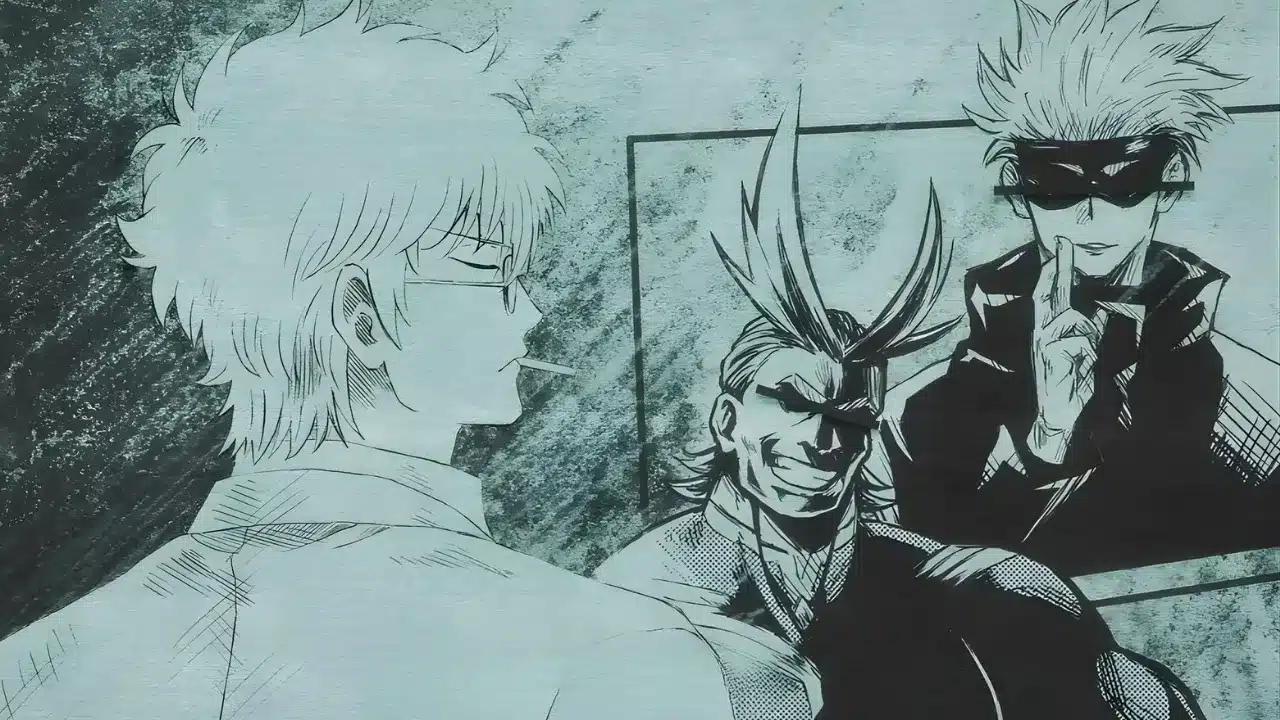
In a new episode of Gintama: 3-Z Ginpachi-sensei, The anime makes a reference to Gojo Satoru (Jujutsu Kaisen) and All Might (My Hero Academia). The team decided to censor their faces with dark bars. They did it because Gintama It is famous for its fourth wall breaking humor. In these scenes they parody other series of Shonen Jump While pretending, jokingly, avoiding demands or copyright problems.
What gintama, Even sharing editorial with Jujutsu Kaisen and My Hero Academia, Decide to “censor” his own characters is a clear sign of his humor. this self-censorship It works like a direct mockery to the strict and sometimes absurd that can be copyright rules and permits between series. Why hide faces that everyone recognizes? And what does this gesture reveal about how complicated a nod between works can be? With simple black bars, Gintama transforms the copyright bureaucracy into an impeccable joke.
Gintama’s self-censorship: Humor turned into a critic of the industry
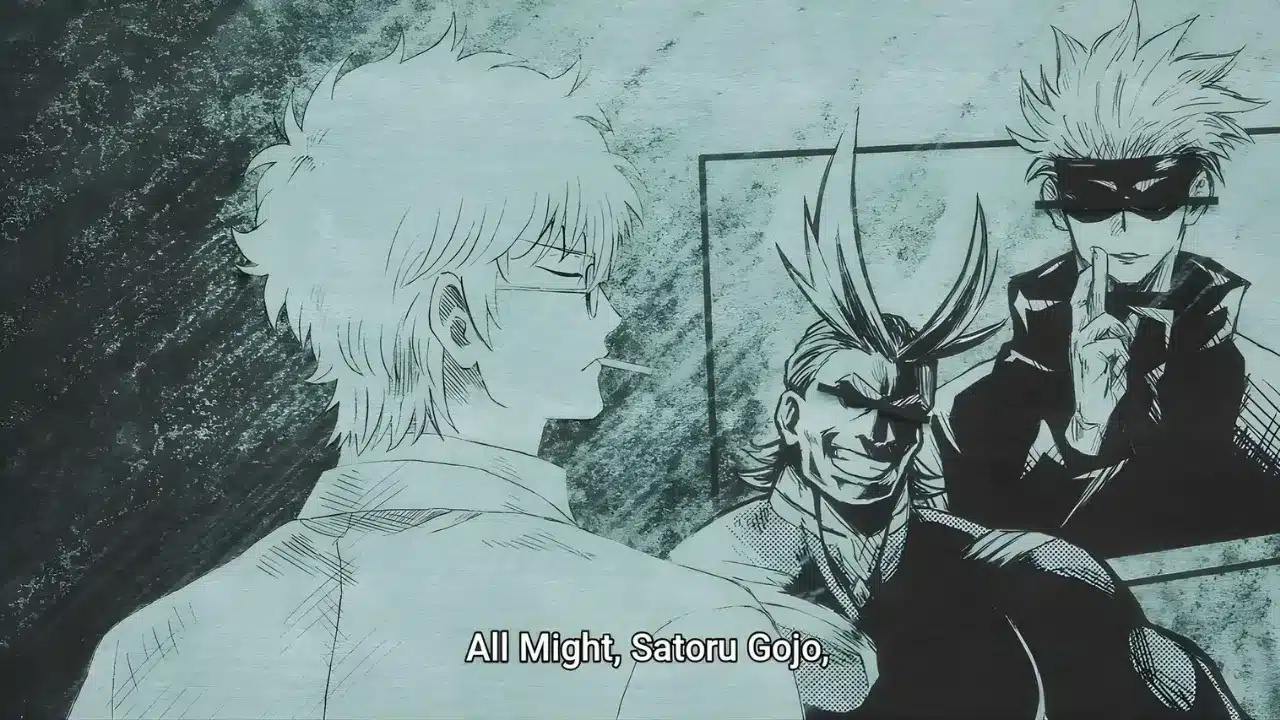
Although all these works come from the same publisher, Each functions as a separate property with specific rules and permissions, What turns any crossing into a process full of internal procedures. Gintama Turn that bureaucracy into comedy: by placing a black bar on gojo, Make it clear that “we all know who he is, but let’s pretend we follow protocol”. It is a direct mockery of the rigidity with which legality is handled even when it is not necessary.
who we have followed Gintama For years we immediately recognize this style. The series has always used the absurdity and the breaking of the fourth wall to expose the oddities of the industry. This self-censorship not only allows you to refer to the character, It also functions as an acute criticism of a legal system who seems more concerned about formalities than common sense.
Gintama’s satire as a critique of copyright
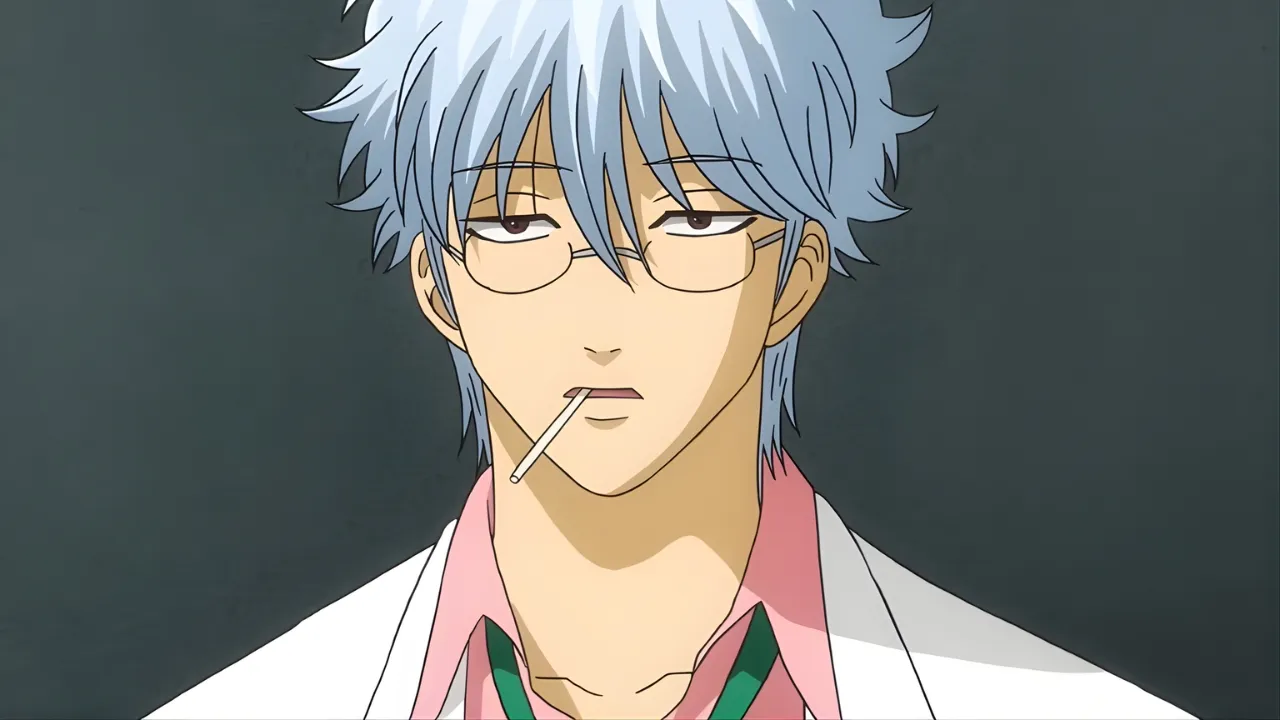
The parody is legally protected in many countries, and Gintama Take advantage of that freedom by taking the fear of litigation to the extreme. the contrast between the obvious, everyone recognizes All Might, And the absurd decision to censor him creates an immediate comic effect. This exaggeration directly signals the disproportionate power that the laws of Copyright and how they come to limit creativity or prevent natural coexistence between works. The scene functions as a narrative meta lesson where censorship, instead of hiding, reveals the message.
Gintama He has always stood out for his ability to refer without shame to other series, even the most popular. That daring is part of his identity. The censorship scene keeps that tradition alive, making fun of the rules that try to stop it and showing that ingenuity can overcome any restriction without losing the irreverent spirit that defines the series.
the verdict
GoJo and All Might’s “censorship” at Gintama offers a fun and sharp criticism that the industry directs towards itself. It also argues that copyright laws have become so rigid that the joke consists of faking its compliance even when it is not necessary.
We maintain that this type of humor not only makes veteran fans laugh, but also educates new ones on the wealth of references of the Shonen Jump and the bureaucracy that regulates it. Gintama shows that the most powerful form of criticism is comedy.
Do you think that other Shonen Jump series should be more permissive with crossovers and internal references to encourage cohesion between fandoms? Leave us your opinion in the comments.