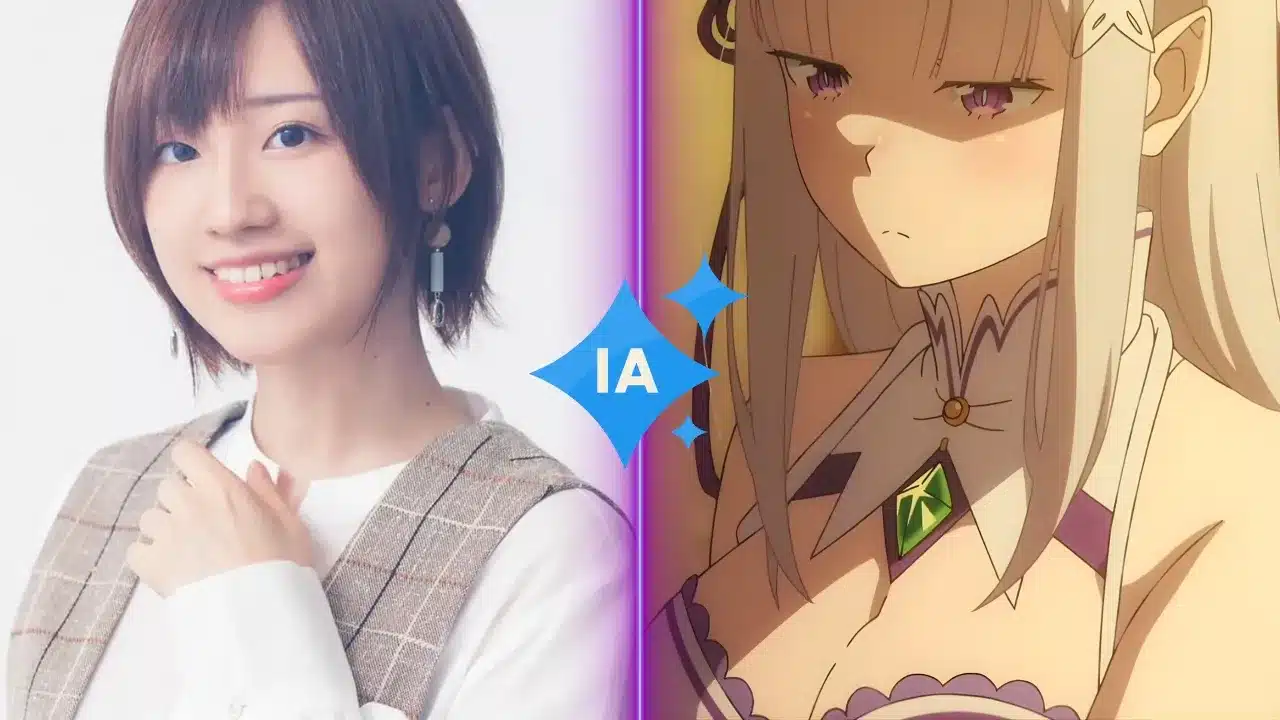
One of Japan’s largest voice acting agencies announced a strategic alliance with the company of artificial intelligence elevenlabs. The agency has more than 400 talents in its portfolio. The agreement seeks to develop authorized AI dubs. The initiative aims to stop the non-consensual use of voices through approved samples and digital watermarks. It will also allow to produce multilingual dubs in up to 29 languages. This will facilitate more agile global premieres. The agreement involves heavy-duty voice actors in the industry, such as Ryūsei Nakao, Rie Takahashi and Kenta Miyake. With this, it sets a precedent in the relationship between anime and artificial intelligence.
Dubbing isn’t just “sound like someone”, It is interpreting, qualifying and transmitting human emotions. By looking for a legal and controlled way for the use of AI, the agency not only protects its artists, But it opens a central ethical debate for contemporary anime: To what extent a technology can reproduce the intention, context and sensitivity of a real performance. We analyze this movement as an attempt to preserve the artistic value of the seiyuu in the digital age, in the face of the risk that technological efficiency dilutes the naturalness that defines the environment.
The human voice versus the algorithm

From a legal perspective, this is an intelligent defensive movement. By authorizing the use of your voice, an actor like Ryūsei Nakao It ensures that any version in another language passes through an official channel and generates recognition and compensation. However, The real debate is in the artistic dimension. Japanese dubbing is built from rhythm control, pauses, breathing, and emotional intent on every line. An AI can imitate the voice timbre, But you can’t decide when a phrase should sound fragile, contained, or explosive depending on the dramatic context. The viewer’s connection exists because he perceives that there is a person interpreting and reacting to the scene, not just playing sounds.
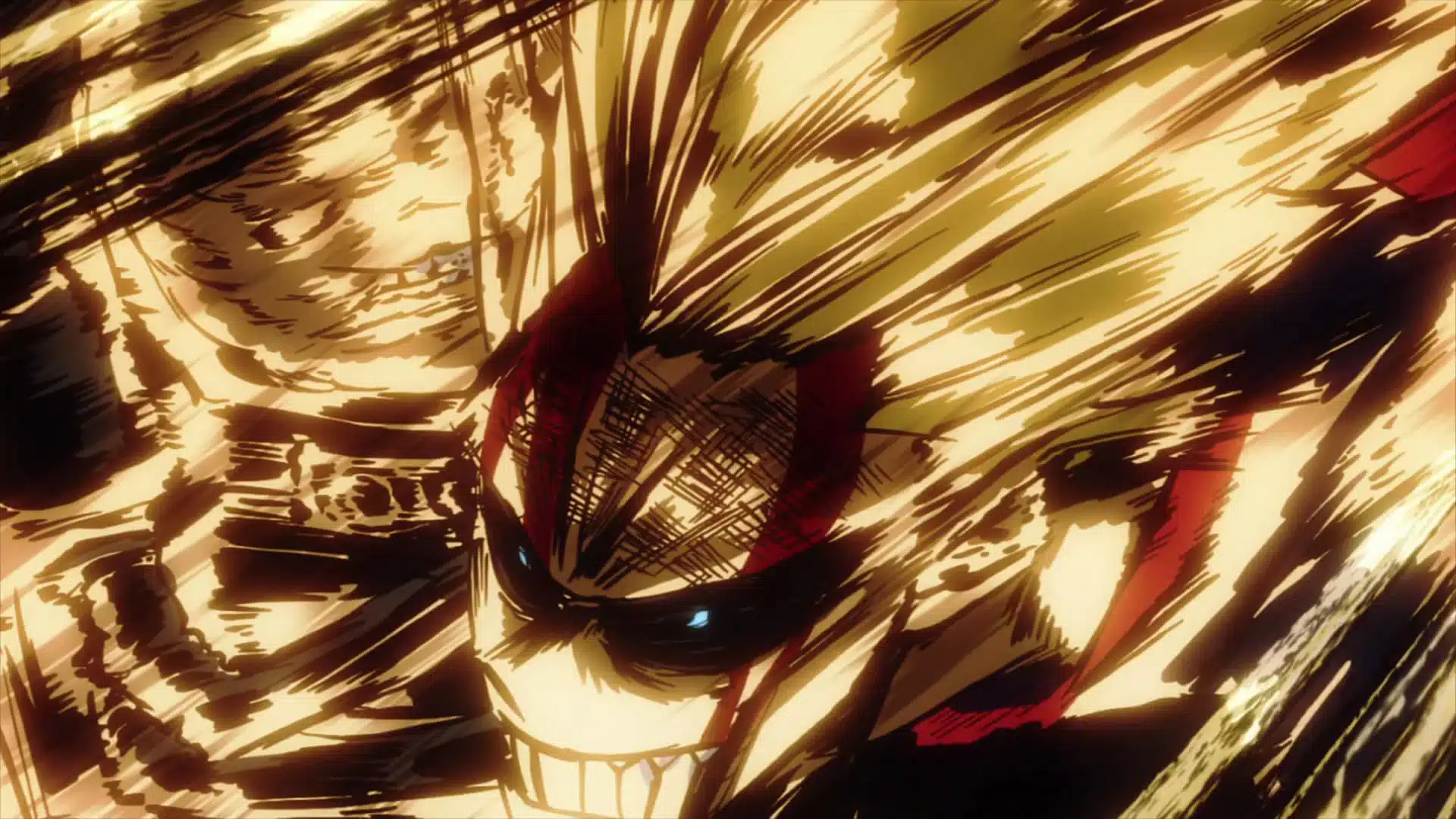
Just remember an iconic moment like the United States of Smash of All Might to understand it. This power does not only arise from the volume, but from the physical and emotional effort of the actor in the cabin. Even an authorized AI dub can hardly reproduce that intensity without losing a fundamental part of what makes anime special.
Technical Efficiency vs. Artistic interpretation
This movement reveals a clash of values within the industry. On the one hand, companies pursue technical efficiency to overcome the language barrier and accelerate global distribution. On the other, that same process dilutes the naturalness and cultural adaptation that only a director and a human dubbing actor can bring. If the voice of Rie Takahashi (Emilia) It is replicated by AI for other languages, the interpretation ceases to be an artistic decision and becomes an automatic process.
The risk is clear: Anime’s influence can weaken if the characters start to sound uniforms, closer to virtual assistants than to living beings with credible emotions. Watermarks protect rights, but cannot replace the interpretive sensitivity that gives life to a character.

the verdict
This alliance is a necessary evil from the legal and economic point of view to protect actors from voice piracy. However, artistically, it represents a dangerous territory. AI can protect the “business” of the voice, but for now it is unable to protect the “art” of the performance.
We hold that the voice is an emotional muscle. Although we celebrate that veteran actors have new sources of income and protection against identity theft, we are concerned that the standard of “quality” will fall in favor of speed. An anime character without a human interpretation behind is just a drawing moving his mouth.
Would you accept a dub by AI if you knew that the original actor is receiving the full payment for it, or do you prefer to wait longer for a traditional human dub even if the original actor does not participate in that version? Leave us your opinion in the comments.