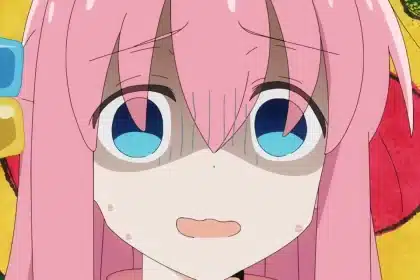
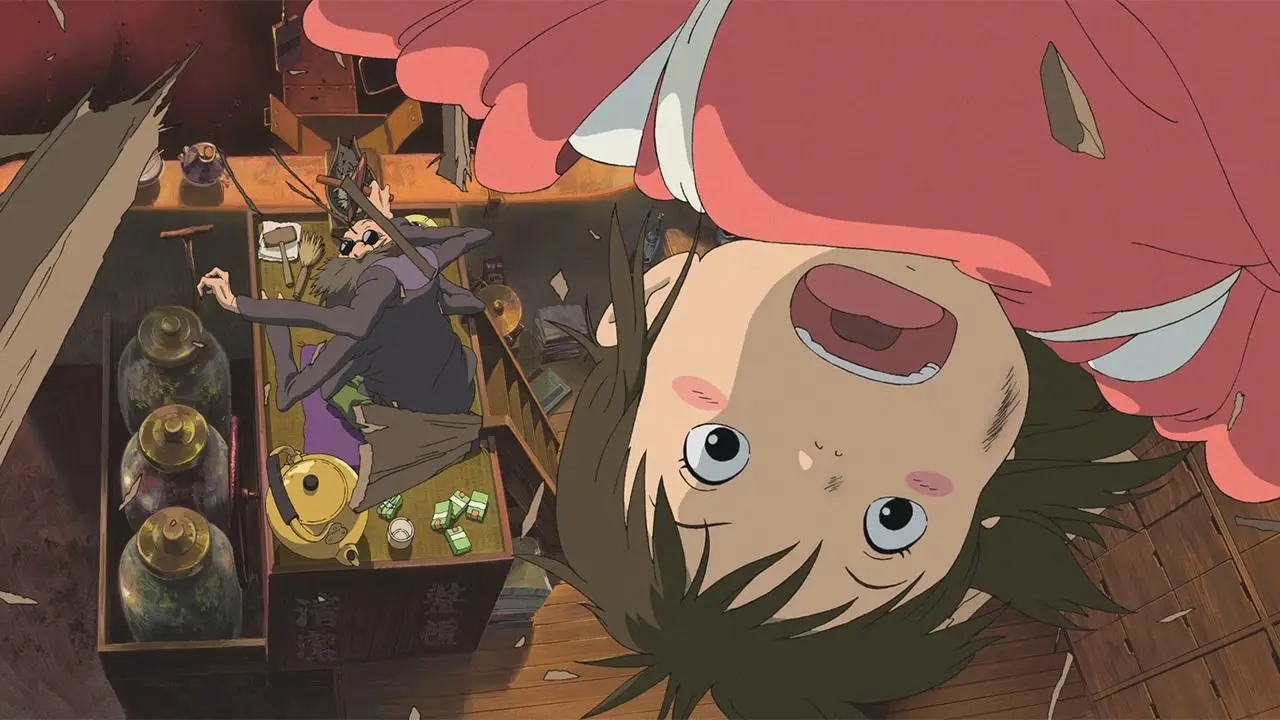
the legend of Studio Ghibli, Hayao Miyazaki, He offered a harsh vision of the present of the anime by stating that the golden age is over. his son, Goro Miyazaki, He was the one who revealed this thought, generating an intense debate between creators and followers of the medium. It is impressive that a figure with so much weight in the history of animation perceives a future with so little space for innovation. His words open a reflection on whether this pessimistic look portrays the entire industry or only part of it.
The weight of the legacy: when the past eclipses the present
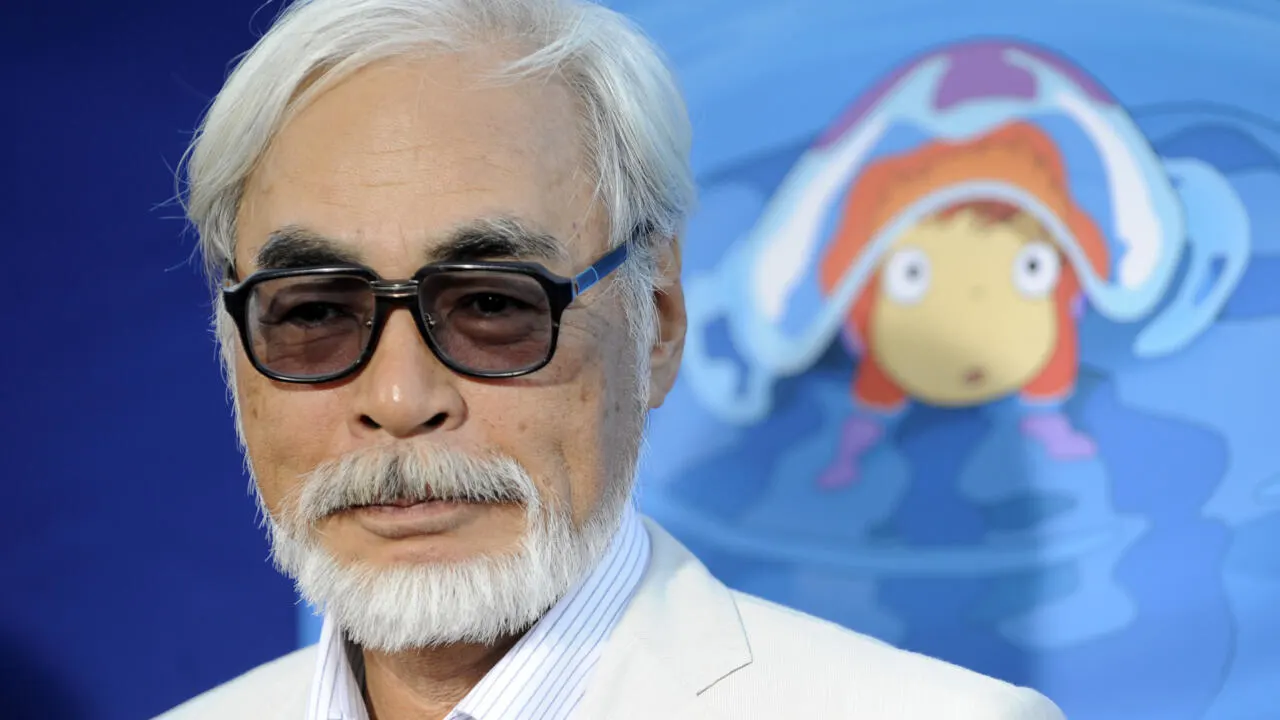
Miyazaki Look at the present with the eyes of someone who lived an era where animation was about patience, detail and soul. For him, each stroke was an extension of thought and not a product intended to meet deadlines. His vision is born from a creative nostalgia, from a philosophy that saw in animation a way of understanding life, not only of selling it. What he really regrets is not the lack of talent, but the Loss of human pulse behind every story, A value that today seems to fade between algorithms, premiere calendars and the constant demand to maintain the attention of the public.
a new generation that does innovate, but otherwise
The anime has not stopped, it has only changed its rhythm. The new generations of creators do not seek to repeat the past, but Translate human emotions into more direct and contemporary languages. Today, innovation is not always measured in the technique of stroke, but in the ability to move an audience who lives in constant movement. works like Your Name, Violet Evergarden or Takopi’s original without show that the soul of the anime continues to beat, even if it breathes in other genres and spreads at a speed that the generation of Ghibli never imagined.
The Golden Age did not end, it only transformed
Beyond the technique or the speed with which the series are created today, the anime maintains its strength as a language that connects cultures and emotions. the words of Miyazaki They invite you to think about which elements of the past deserve to be preserved and which should be transformed with the times. The sensitivity and humanism that marked their generation are still present, even if they express themselves in different ways. The so-called Golden Age did not disappear; It fragmented and spread among new stories, styles and views that continue to explore the complexity of the human.
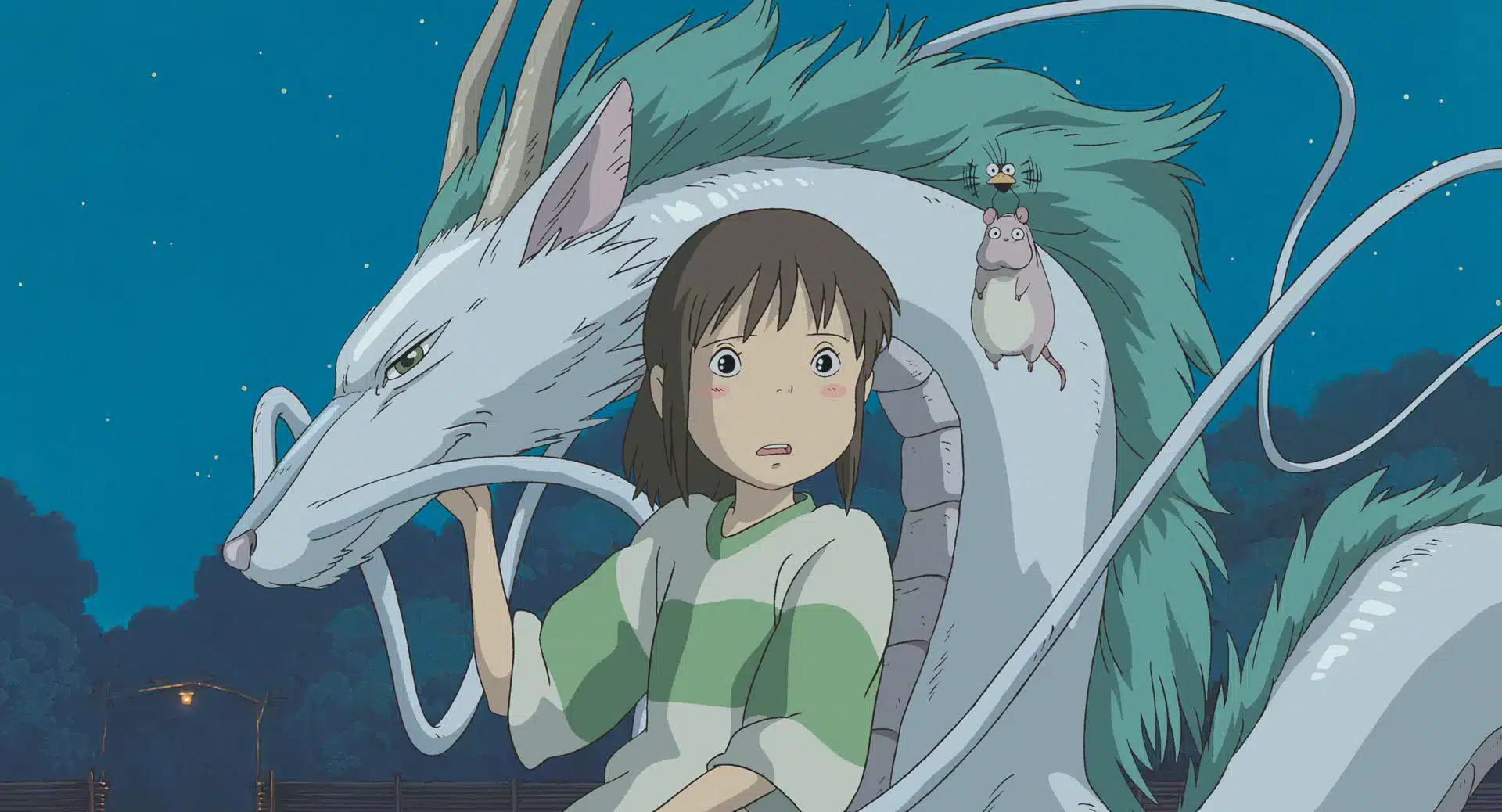
The pessimism of Hayao Miyazaki It does not mean that the anime is in decline, but rather it reflects the height of the rod as an artist. His concern stems from the change between a more artisanal animation and the speed with which content is produced today. We are not seeing the end of the anime, but A transition where creativity seeks to adapt to new ways of telling stories. The “golden age” did not end; It only became a more global and diverse stage, where emotion remains the center.
Miyazaki He regrets having lost the most humane and leisurely spirit of art. What do you think is the new value that defines this period of anime? The variety of genres, the visual quality or the connection with the world audience?