The representation of minority groups in multimedia media is becoming more and more relevant. The anime has not been foreign to this change. In recent years, various series have incorporated trans or non-binary characters. This contributes to a more inclusive narrative that not only reflects the diversity of real life, but also brings comfort and validation to thousands of viewers.
Next, we review some of the 10 most representative characters within the anime. These characters, whether explicitly or implicitly, have resonated with the community LGBTQ+ for their gender identity and narrative development.
Grell Sutcliff: Black Butler
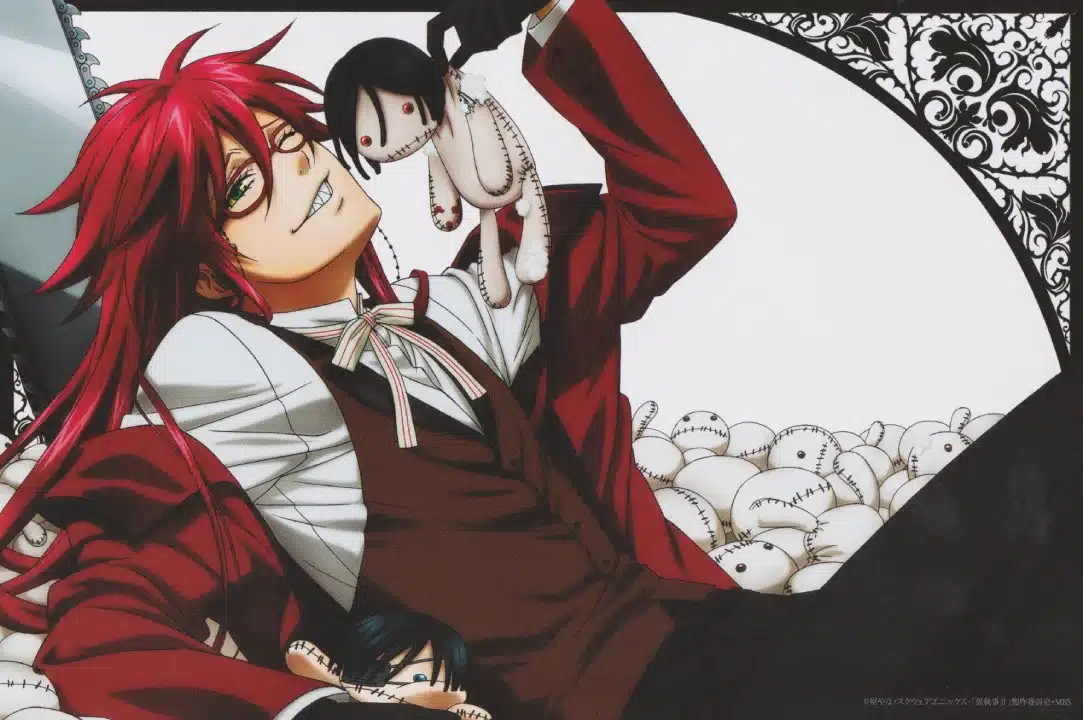
One of the most remembered characters of Black Butler it is Grell Sutcliff, a soul reaper who refers to herself as a woman and uses female pronouns. Although the series never openly presents her as a trans woman, her way of speaking and behavior reflects patterns typical of Japanese trans women or the so-called “onee-kei”. Throughout history, Grell It is presented as strong, eccentric and self-confident. Thus, it becomes a symbol for many trans people who find an empowering figure in it.
Lily Hoshikawa: Zombie Land Saga

Lily She is one of the protagonists of Zombie Land Saga. Although its history is tragic, its representation has been widely celebrated. Born as a child, Lily Find out from a young age that she is a girl. She lives according to her identity until the stress due to the change of voice caused by puberty causes a heart attack. Despite the comic tone of the series, its story resonates strongly with the experience of young trans. The acceptance she receives from her companions is a powerful message of love and support.
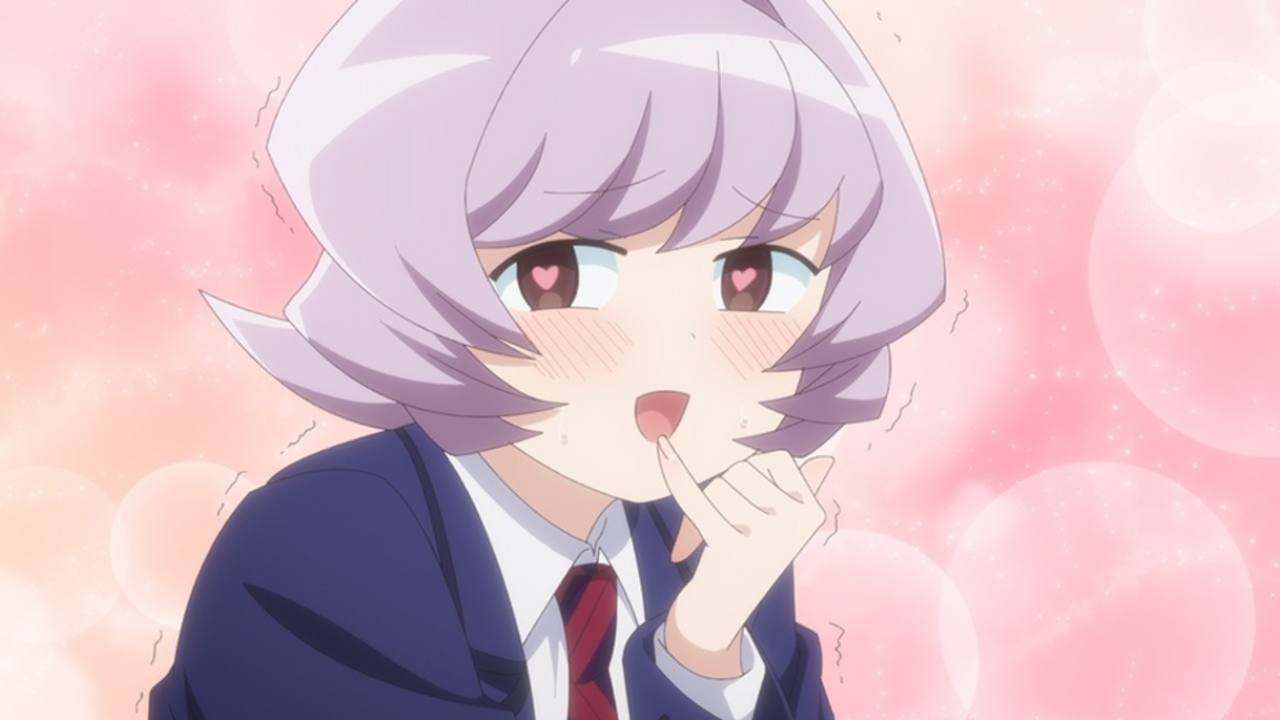
Najimi Osana: Komi-san Wa, Komyushou desu

Najimi He is an ambiguous figure in terms of gender within the anime Komi Cant Communicate. Although their identity is never clearly defined, it is common to see that other characters use both male and female pronouns when referring to Najimi.
Their expression of gender and carefree attitude have made Najimi A significant figure for non-binary or non-conforming gender expressions. Najimi Normalizes a fluid identity in a traditional school environment.
Yawara Chatora (Tiger) – My Hero Academia
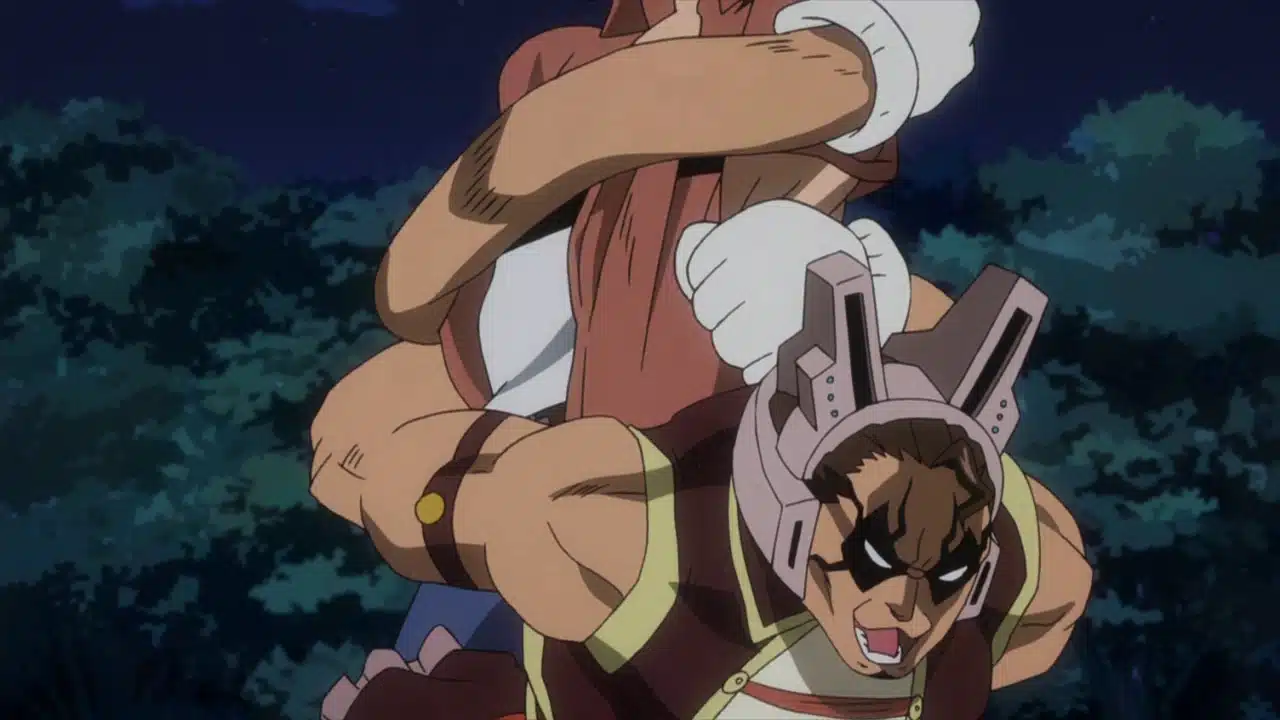
Tiger, member of the team of heroes Wild, Wild Pussycats on My Hero Academia, is an openly trans character. His official biography indicates that he is a trans man who began his transition in Thailand.
Although its identity is not a narrative focus within the story, the simple fact that there is a trans professional hero in one of the most popular anime franchises in the world is a crucial step for trans visibility in mass media.
Bridget: Guilty Gear Strive: Dual Rulers
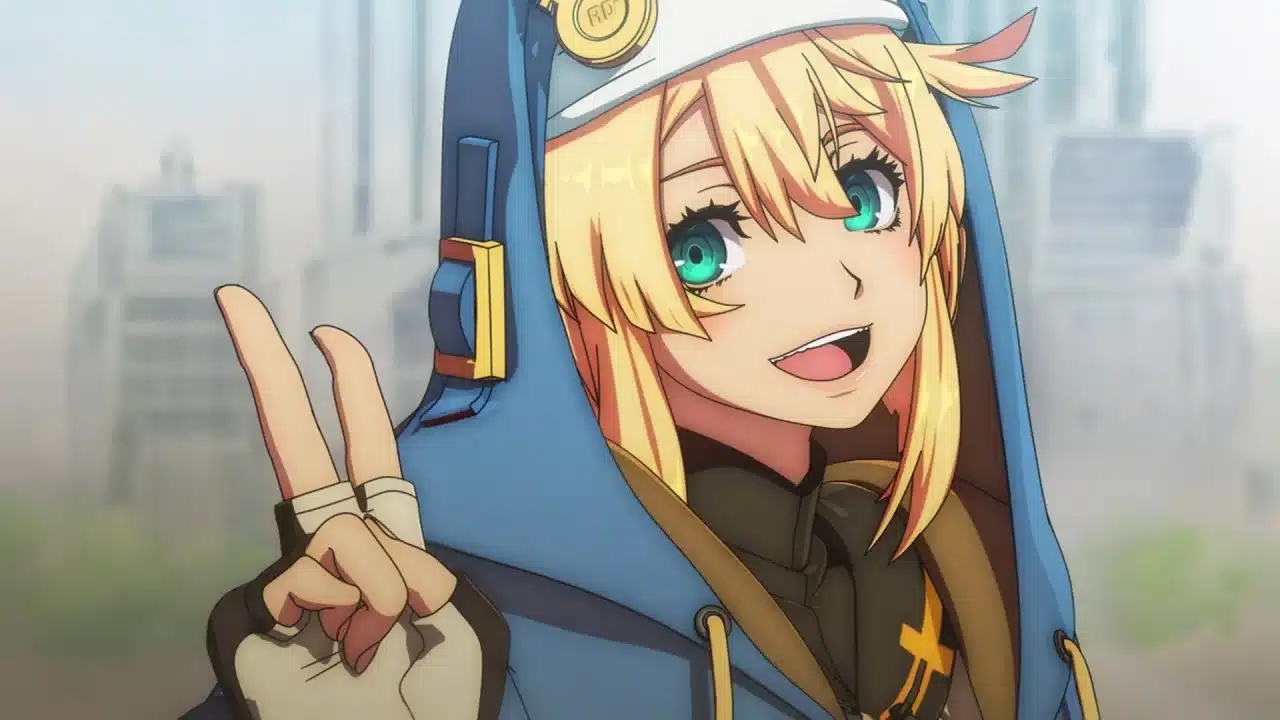
The animated adaptation of the popular video game Guilty Gear Strive has generated divided opinions. However, one of the most accepted sections is the development of Bridget. Since his appearance in the Games, Bridget was an ambiguous figure who caused confusion among fans. Both the game and the anime have confirmed that Bridget is a trans girl. its history in Dual Rulers She focuses on her inner struggle to please her family while denying herself.
The narrative shows how, little by little, Bridget gains the value necessary to accept who he really is. Although she is not a central protagonist, her appearance has an enormous emotional impact, making her one of the most beloved trans characters in the medium.
Makoto Hanaoka: senpai is an otokonoko
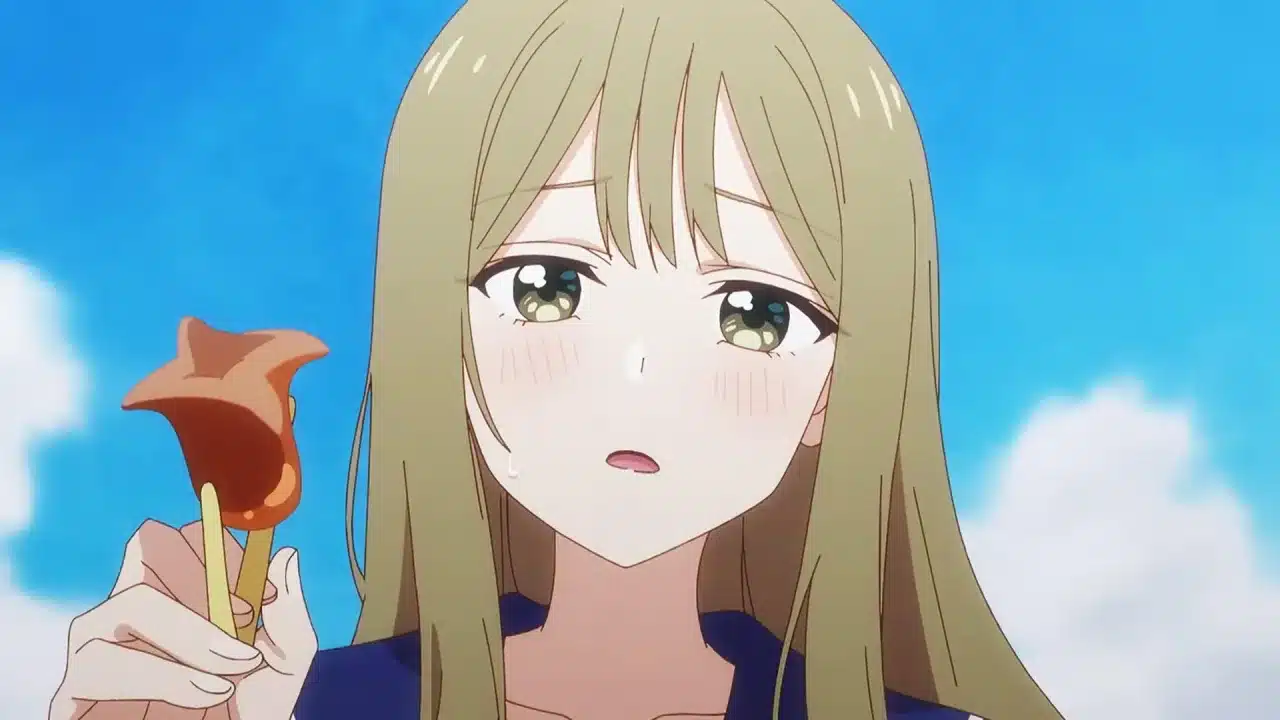
Makoto He is a character who challenges traditional definitions of gender. Although she identifies herself as a boy who dresses as a woman, many elements of her personality and behavior show a deep connection with the feminine identity. its history in senpai is an otokonoko It is refreshing and emotionally complex. Makoto He deeply enjoys being perceived as a woman, and when he discovers that he can “pass” as a cisgender girl, his joy is evident.
The series avoids hasty tags, allowing the audience to explore next to Makoto the nuances of gender identity. Although not explicitly identified as trans, its representation deeply connects with people who are in their own discovery process.
Tsubaki: Wind Breaker
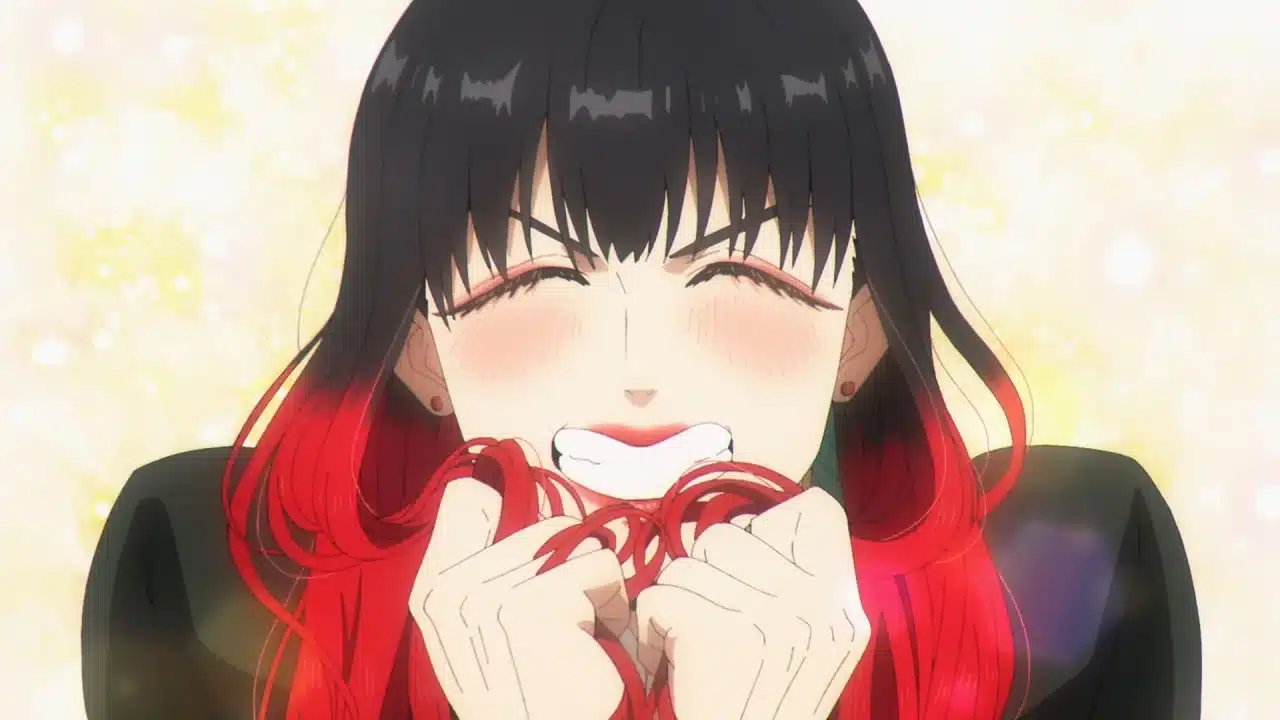
Tsubaki He is a character that from his first appearance draws attention for his aesthetics made up of heels, skirts, bright accessories and a decidedly feminine style. However, he identifies himself as a man and does not manifest a desire for transition. What makes it special is its complete comfort with the ambiguity and fluidity of its presentation.
Though Tsubaki She is not a trans woman, her way of living and expressing herself positions him within the spectrum of identities not conforming to gender. In a medium where masculinity is still represented in a rigid way, characters like him open the door to new forms of understanding about what it means to be authentic.
Seiko Kotobuki: Lovely Complex
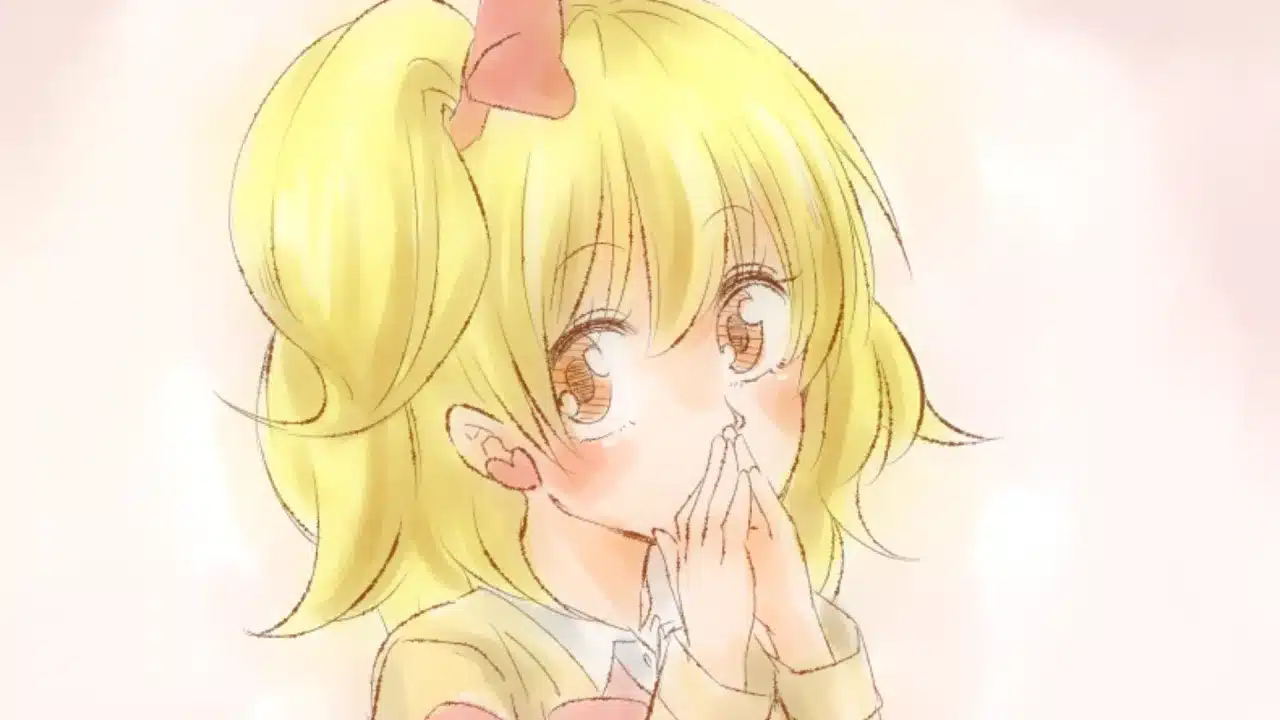
Lovely Complex Enter to Seiko KotobuKi as a cheerful, outgoing trans girl with a great passion for women’s fashion. Although he faces some uncomfortable situations and attitudes, Seiko always maintains a positive attitude and does not let prejudices define it. His friendship with the protagonist, laughter, becomes a message about acceptance and empathy.
Alluka Zoldyck: Hunter x Hunter
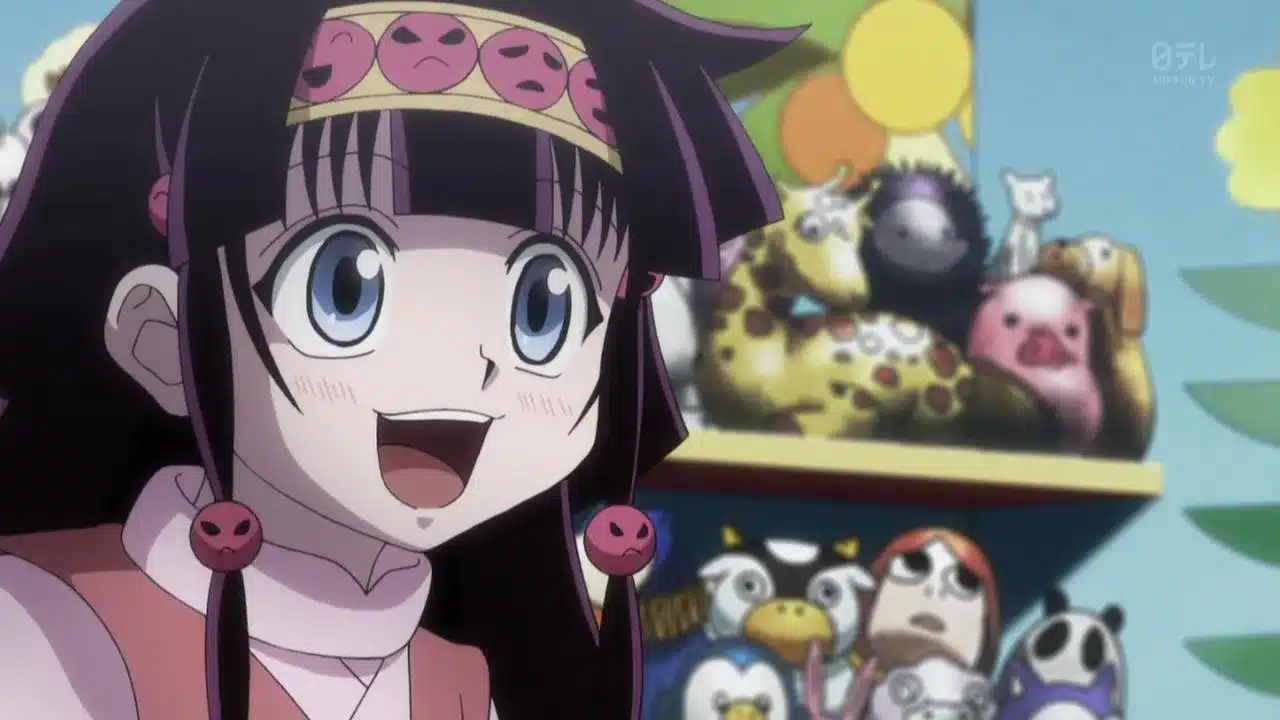
Alluka She is a family member Zoldyck who identifies as a woman, despite having been designated as a man at birth. In the series, the only one who respects his identity is his brother Killua. Her brother protects her and always calls for her correct pronouns. the story of Alluka It has generated debates, but it has also been very important for trans fans who see in it a clear representation of the struggle for validation.
Asuka Yuu: Stars Align
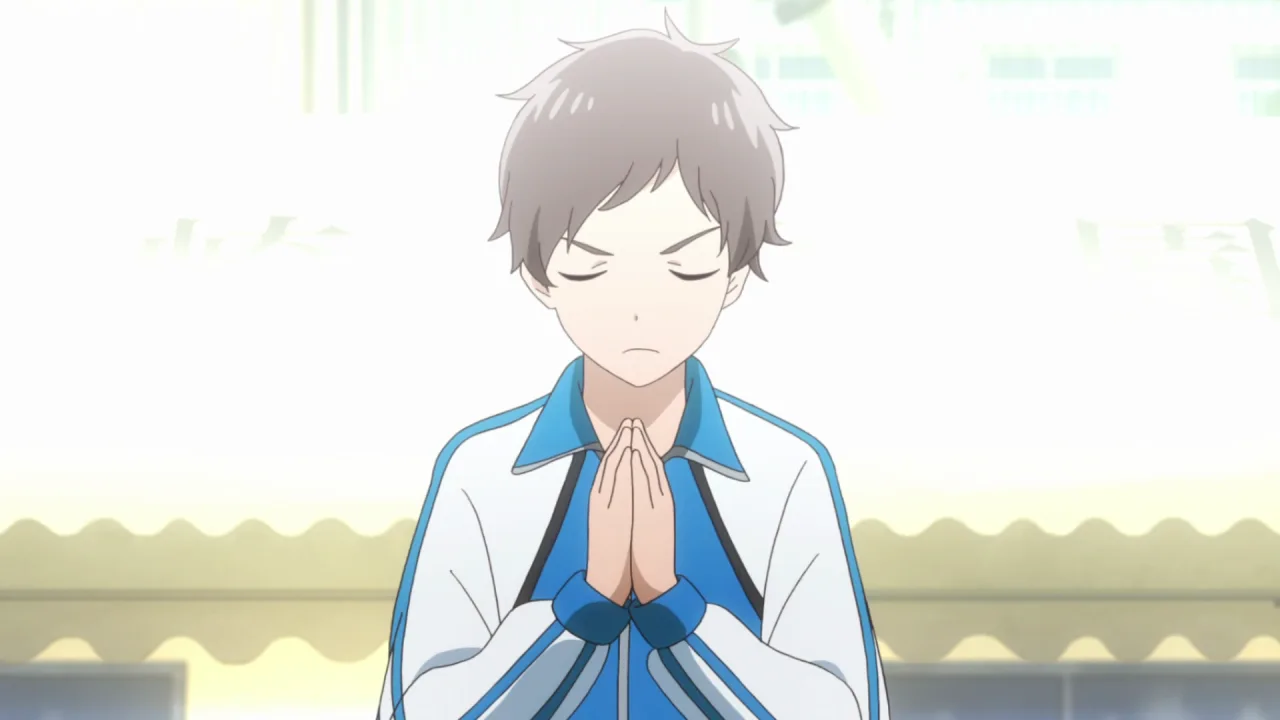
On Stars Align, , Asuka Yuu He is a non-binary character whose story accurately reflects the confusion, anxiety, and the path to self-knowledge that many people do not fit into binary gender categories. Through Yuu, the anime shows a realistic and respectful narrative about what it means to discover your identity in an environment that is just beginning to understand these concepts.
The value of being represented
For many trans people and community members LGBTQ+, see characters like Bridget or Tsubaki On screen it’s not just a matter of entertainment: it’s validation. It is the possibility of feeling understood, of knowing that its story also deserves to be told and respected. These representations also have the power to educate those who do not know these realities. In this way, they promote an environment of greater respect and understanding.
With the inclusion of more trans and diverse genre characters in modern anime, it is clear that the industry is moving towards a richer, inclusive and emotionally honest narrative. And although there is still much to improve, we celebrate each step towards an authentic, varied and transformative representation.
The inclusion of trans and non-binary characters in the anime is far from being a fad. It is a natural evolution that responds to a need, that all viewers can see themselves reflected in the stories they consume. These characters not only enrich the plots, but also offer vital representations for those who, for a long time, did not find their reflection on the screen.