Few anime heroines have generated as many conversations about character design as Emilia de Re:Zero − Starting life in another World. But the conversation is rarely about his personality or his narrative arc: most fans discuss how he looks different in each season, and to whom the blame, or credit, for every change.
With Season 4 in full broadcast (June 2026), the debate exploded again in networks. A user tweet @AnimeFan_Cat Comparing its current appearance to Season 3, it accumulated tens of thousands of interactions in hours. The reason, the design of Emilia It changed again, and this time notoriously.
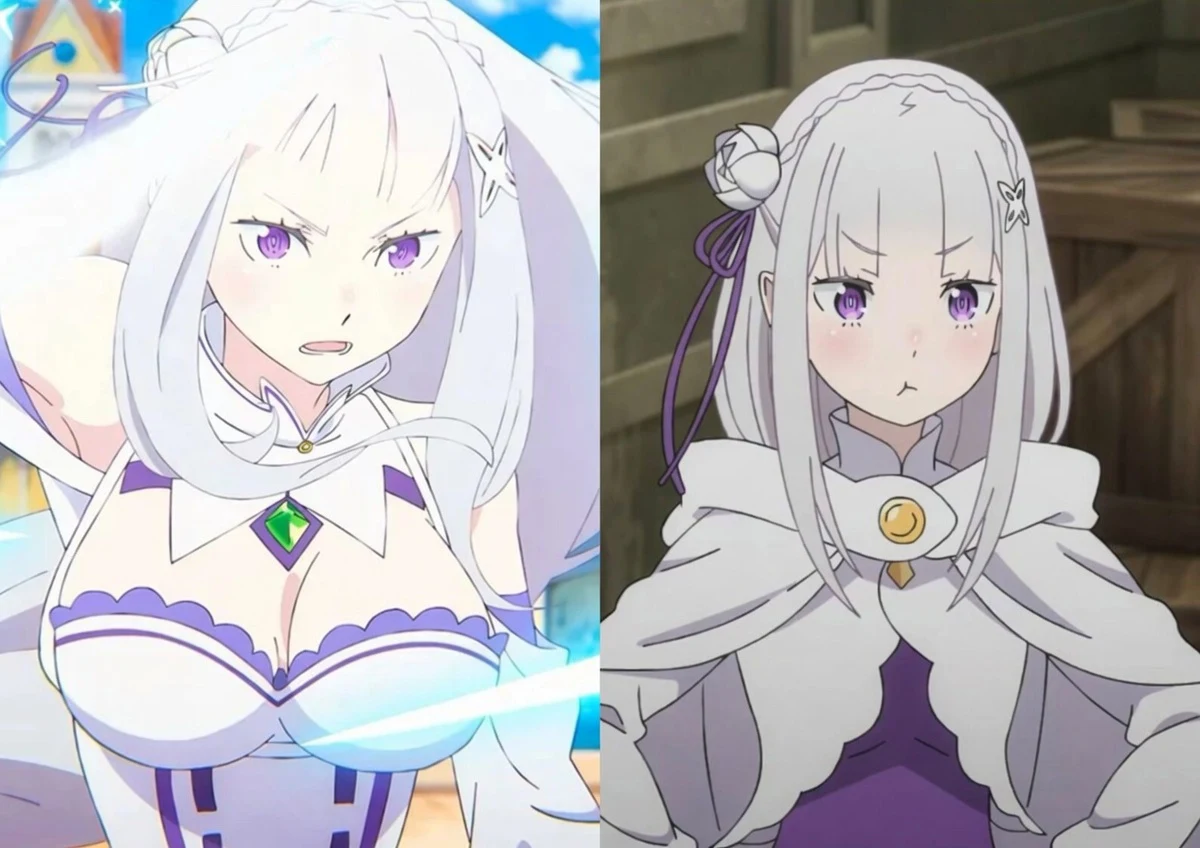
The evolution season by season
To understand the debate it is necessary to draw the chronological line. Emilia’s Character Design has not been static: each season had different design supervisors and different production priorities, which translated into visible variations.
New suit, new proportions. The design retreats from season 3 and is closer to season 1–2, although with a different silhouette for the change of clothing. The debate broke out again on Twitter/X in June 2026.
‘According to the original material canon, Emilia should be bigger than Rem but smaller than Shaula. Season 3 was the closest to that canon. Season 4 seems to move away again.’
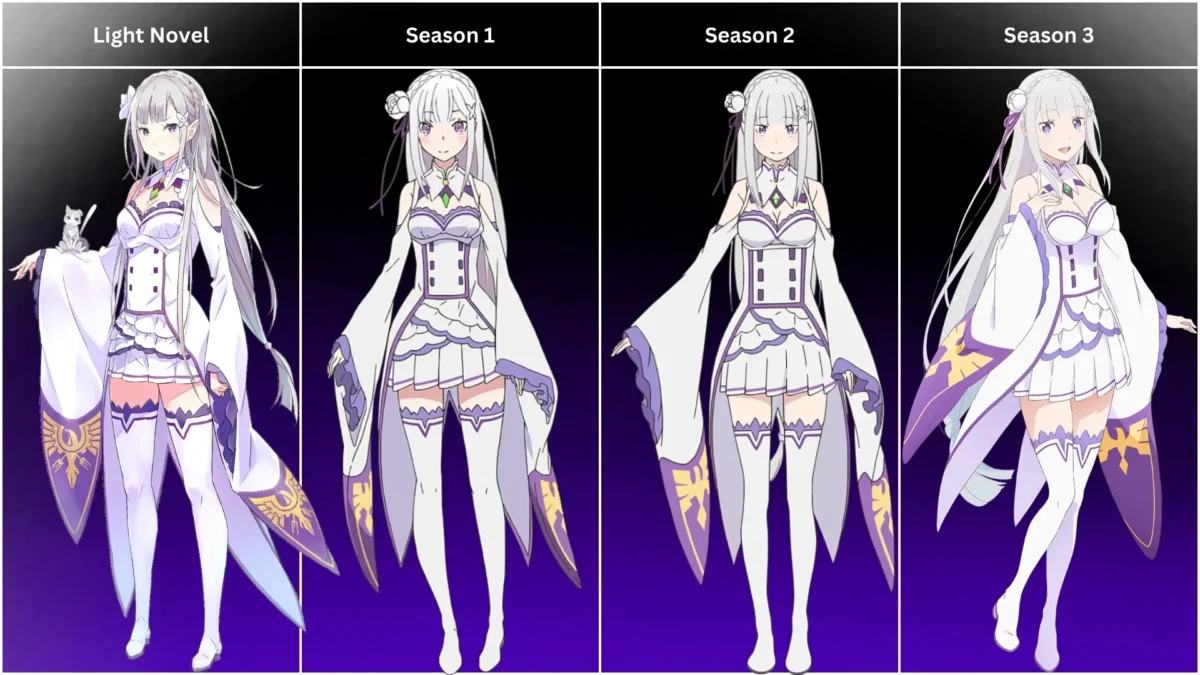
Why does the design change between seasons?
The short and simple answer, because anime is a collaborative process where multiple hands intervene. The animation director of each episode is free to interpret the Model Sheet sheets within certain ranks, and the Chief Animation Director of each season establishes the Visual Bible.
In the specific case of season 4, part of the debate points to a technical factor: the new suit of Emilia It has a more closed silhouette than the design of previous seasons, making direct comparisons between seasons misleading. As one commentator noted: ‘It’s not a fair comparison if one of the looks has tight clothes and the other doesn’t.’
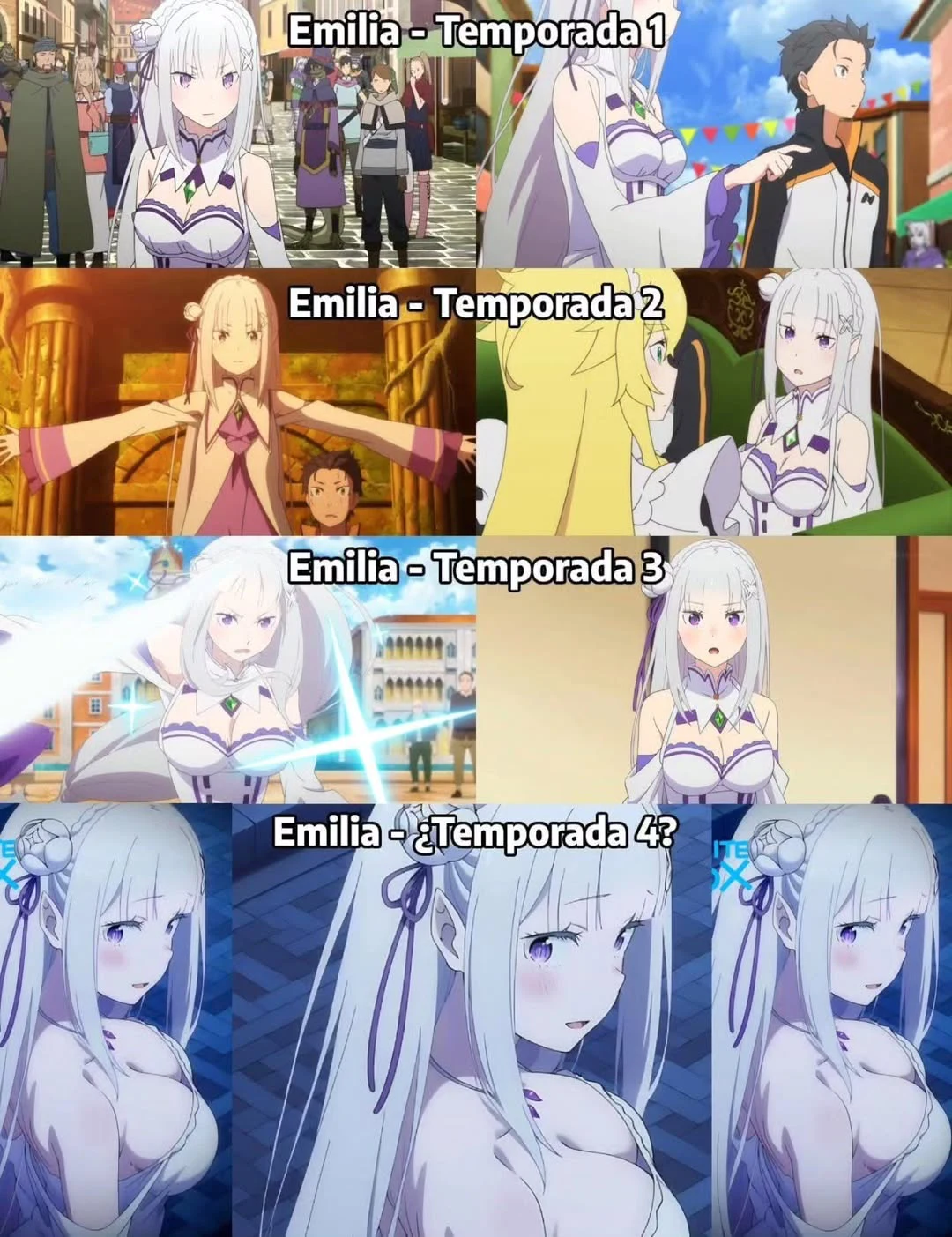
The Shaula and Rem Factor: The Canon of the Original Material
a central part of the debate Re:Zero − Starting life in another World It has to do with the hierarchy established in the original light novels of Tappei Nagatsuki. According to the source text, there is a ‘scale’ of proportions among the main female characters that many fans know by heart and that they use as a reference to evaluate each new season.
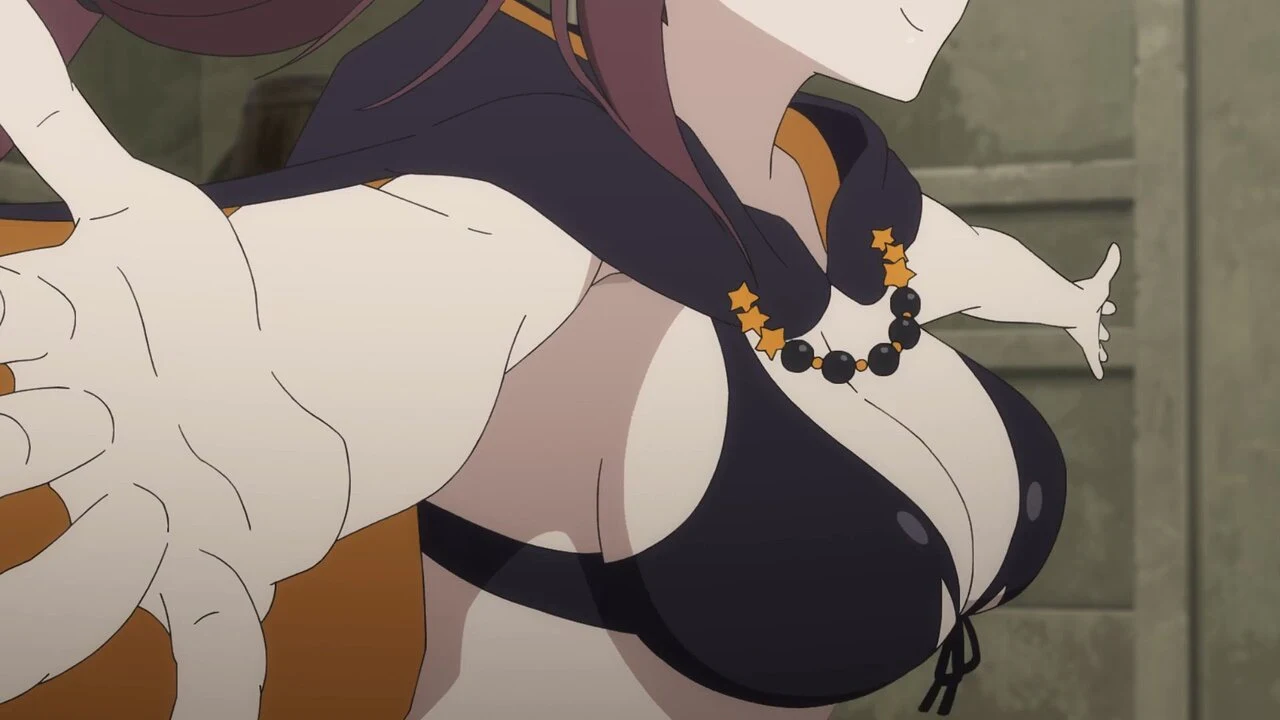
The situation is complicated because Shaula He is a relatively new character in the anime, and his own design also generated controversy for moving away from expectations. According to some users, the setting in Emilia It could be related to aligning relative proportions between both characters: Yes Shaula was smaller than expected, Emilia He also had to adjust to maintain the canonical hierarchy.
What the fandom says
The original thread on Twitter/X and discussions in forums triggered responses in all the spectra. What is striking is the diversity of opinions: there is no clear consensus, and that is exactly what makes the debate so persistent.
- come back to T3
- The suit changes the perception
- T3 was too much
- the original canon commands
- I don’t mind change
- Shaula should be bigger
Perhaps the most insightful commentary of the debate was this: ‘Emilia is the only anime character who can simultaneously satisfy fans of both ends of the preference spectrum, and that makes her the most diplomatic heroine of Isekai.’
Does the design really matter?
Yes, and not only for the superficial reasons that dominate the debate in networks. The design of a character is an integral part of its visual identity, and when it changes between seasons it generates a discontinuity that can break the narrative immersion. For a series like Re:Zero, where emotional continuity is central, the viewer needs to connect with Subaru himself, Emilia herself, those inconsistencies have weight.
The debate also reveals something about the audience of Re:Zero in 2026: It is a mature fanbase, attentive to the details of production, which distinguishes between animation error and design decision, which knows the canon of novels and demands coherence. That, in a way, is the biggest praise an anime franchise can receive.