
Sometimes the most unexpected crossover of the fandom does not happen in a convention or on social networks, it happens on the street. In the Mexico City A street stall was located that decided to use the images of Hatsune Miku and the Japanese singer ADO As part of his visual identity, generating funny reactions among fans who run into him.
What’s so special about this cake stand?
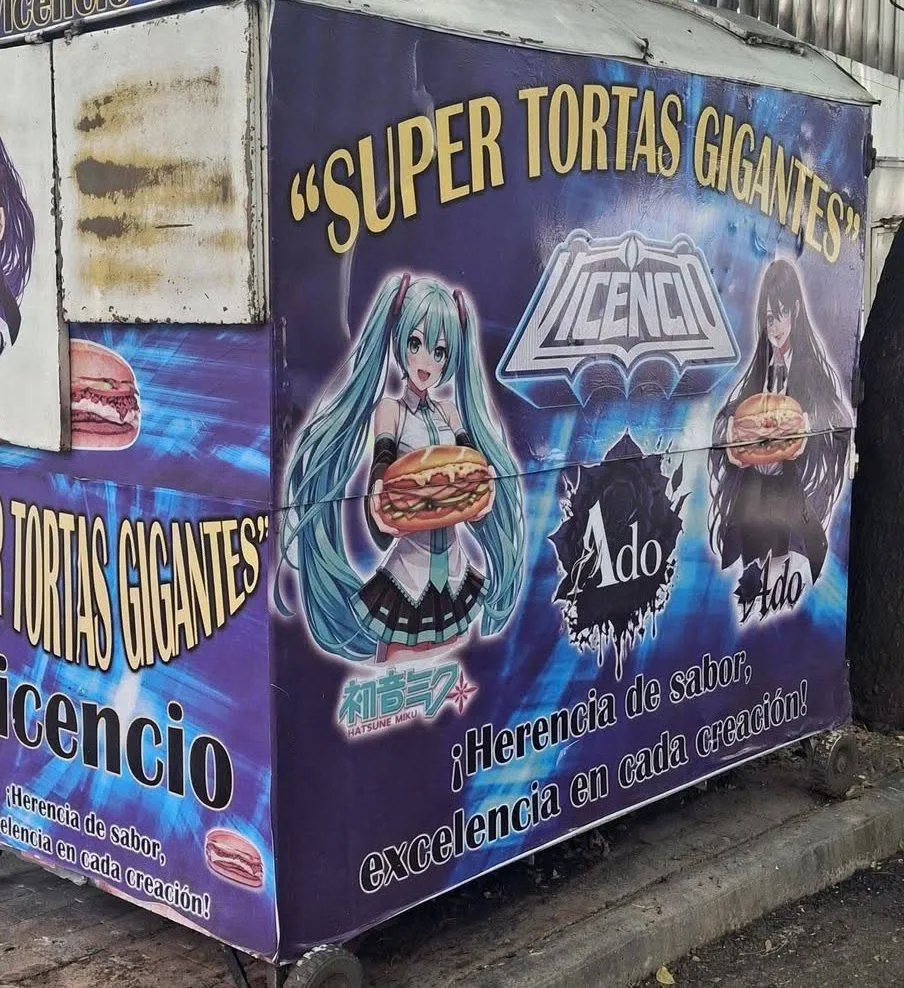
The business, located on a street in the Mexico City, drew attention for its unconventional decoration: illustrations of Hatsune Miku, the iconic Japanese vocaloid, and ADO, the singer behind hits as the main theme of the film of One Piece Network, both represented holding a cake in the hands as part of the promotional design of the stall.
The combination is as unexpected as it is striking: two central figures of contemporary Japanese music culture, converted into the official image of a classic street stall of Mexican food.
Why are these types of findings going viral?
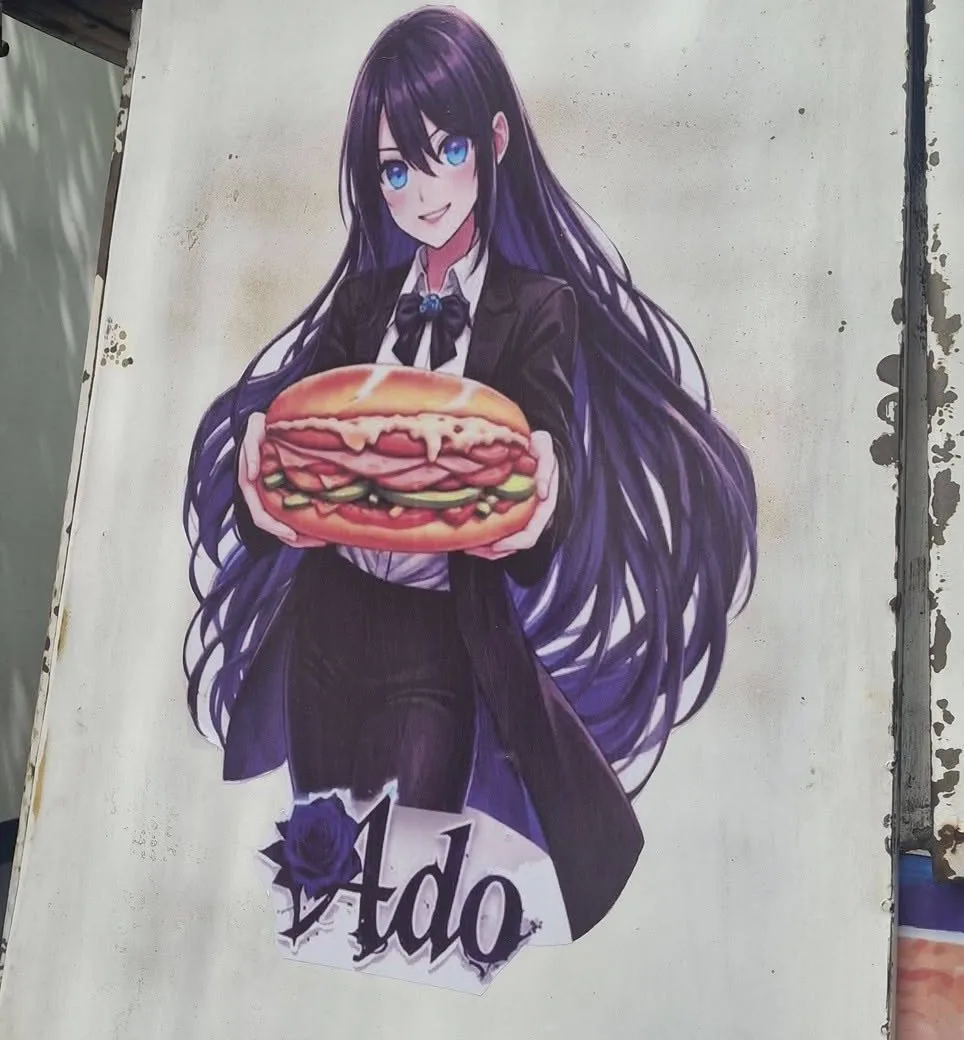
This type of spontaneous cultural crossings, where the iconography of the anime, manga or Japanese pop culture appears inserted in completely everyday and local contexts, has become a genre of its own within the viral content of social networks in Mexico. The surprise of finding characters or figures from the Japanese fandom in places as unexpected as a taco stand, a grocery store or, in this case, a cake business, generates an immediate identification reaction among the local otaku community.
For many fans, these types of findings work almost as proof of how present Japanese culture is within Mexican daily life, even in the spaces furthest from any convention or specialized store.
Hatsune Miku and Ado: Two different icons, the same position
It is curious that both figures chosen to decorate the position represent generations different from Japanese music: Hatsune Miku, the Vocaloid created by Crypton Future Media that became a global cultural phenomenon since the mid-2000s, and ADO, one of the most popular singers on the current Japanese scene, known for keeping her identity hidden behind an animated character in her presentations.
That both share space in the same design suggests that, for the creator of the position, the choice probably responded more to popularity and visual recognition among the young audience than to a specific thematic connection between both artists.