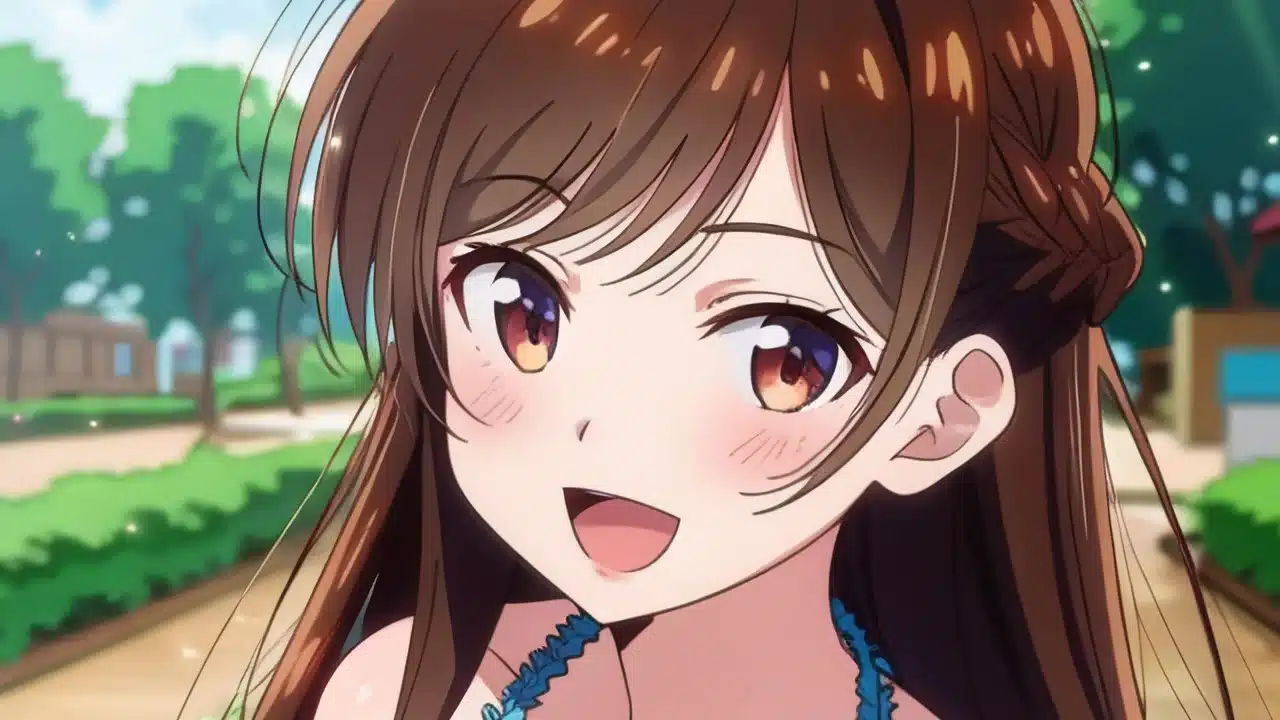
A viral publication on Japanese networks confirmed what many fans have already felt for a long time but had not fully articulated: there is a specific narrative resource within the romance anime that is generating an increasingly widespread rejection within the fandom, and rent-a-girlfriend (d)Kanojo, Okarishimasu) became the most cited example of why it no longer works.
What is the most hated narrative resource of romance anime?
You know the scene. The heroine walks down the street, enters the room or appears in any public space, and suddenly an endless line of anonymous secondary characters, the so-called “mobs” or extras, begins to comment aloud how attractive she is, describing her physical characteristics in detail and expressing aloud her desire to go out with her.
It is such a common trope within the genre that many readers take it for granted. But a viral discussion in Japanese networks revealed something that the fandom has been feeling for some time: that specific resource, when used repetitively and as a substitute for real narrative development, is increasingly difficult to tolerate.
Why Rent-A-Girfriend is the most cited example?
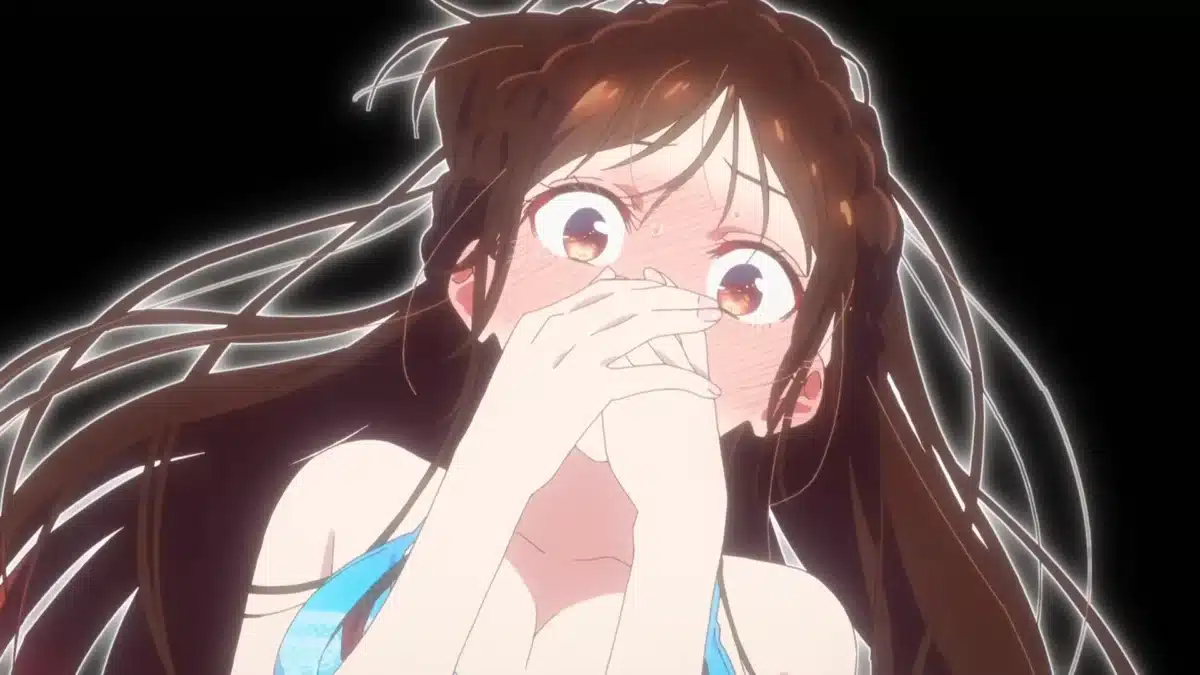
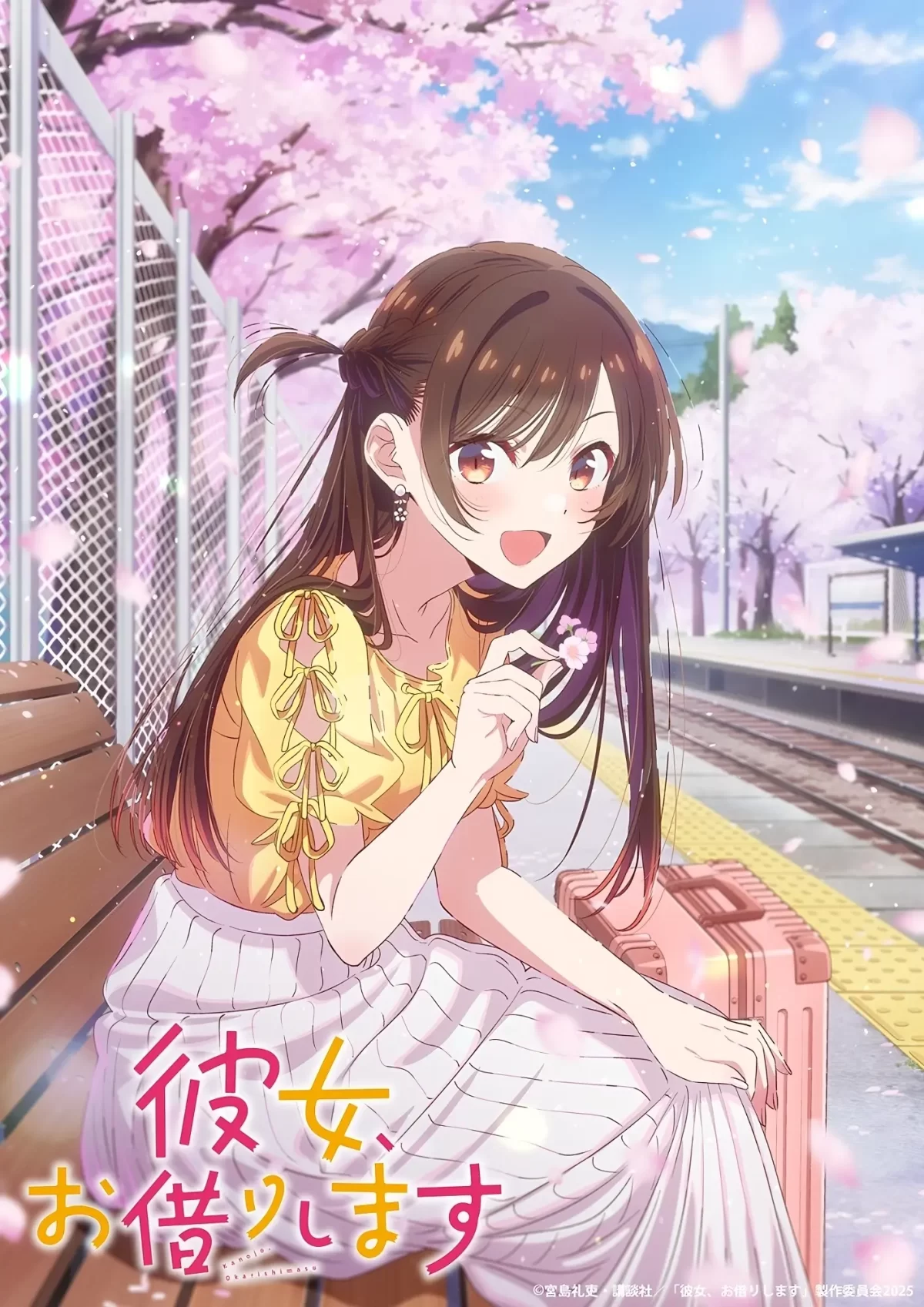
rent-a-girlfriend It appeared in practically every comment of the debate as the most extreme case of the problem. According to several users, the series dedicates considerable segments of screen time to scenes where anonymous supporting characters react to Chizuru In ways that are unlikely within the context of the story, even in its fifth season, with the advanced series and the character already established, the work continues to resort to the same mechanism to remind the reader that the heroine is attractive.
What is striking is that the critics do not point to the visual design of the character, which several comments praised as one of the best in the genre. The specific problem is the excessive use of this mechanism as a narrative tool, when the story should already be able to convey the attractiveness of the character through its development and actions.
Why is this resource used so much if it generates so much rejection?

Several comments within the debate pointed to a technical explanation that makes a lot of sense: In the contemporary anime and manga, the visual quality of the character designs is so high in a generalized way that it is no longer possible to convey the exceptional beauty of the heroine simply through the visual contrast with the extras. All the characters, even the most secondary ones, have careful designs.
Faced with this difficulty, the authors resort to an alternative method: instead of visually showing why the character is special, they make other characters say it out loud, functioning almost as an explanatory narration directed at the reader. The problem is that when that mechanism is applied repetitively and without variation, the result feels forced and unreal.
Why is it so unbelievable?
One of the most repeated arguments in the debate is that such behavior has no equivalent in real life. In everyday life, even in front of extraordinarily attractive people, most people do not comment out loud about the physical characteristics of a stranger or express desire to go out with someone who has just crossed the street. When the manga or anime reproduces it so systematically and exaggeratedly, it breaks the verisimilitude of the world it is trying to build.
Another point noted is that these types of scenes are not only unbelievable, in some cases they end up generating the opposite effect to the one sought: instead of transmitting the exceptionality of heroin, what they communicate is the low moral quality of the world around them, where the secondary characters seem unable to behave normally in front of an attractive woman.
What this debate says about the current fandom
That such a specific criticism of a narrative resource generates this level of conversation speaks of an increasingly demanding audience with the quality of writing in the romance genre, beyond visual design. The Japanese fandom is no longer satisfied with a well-designed heroine, it demands that the narrative show why that character is special, instead of simply affirming it through the mouth of unnamed extras.
For the creators of romance anime and manga, the debate works as a clear signal: Showing is always more powerful than saying, even, especially, when it comes to heroin.