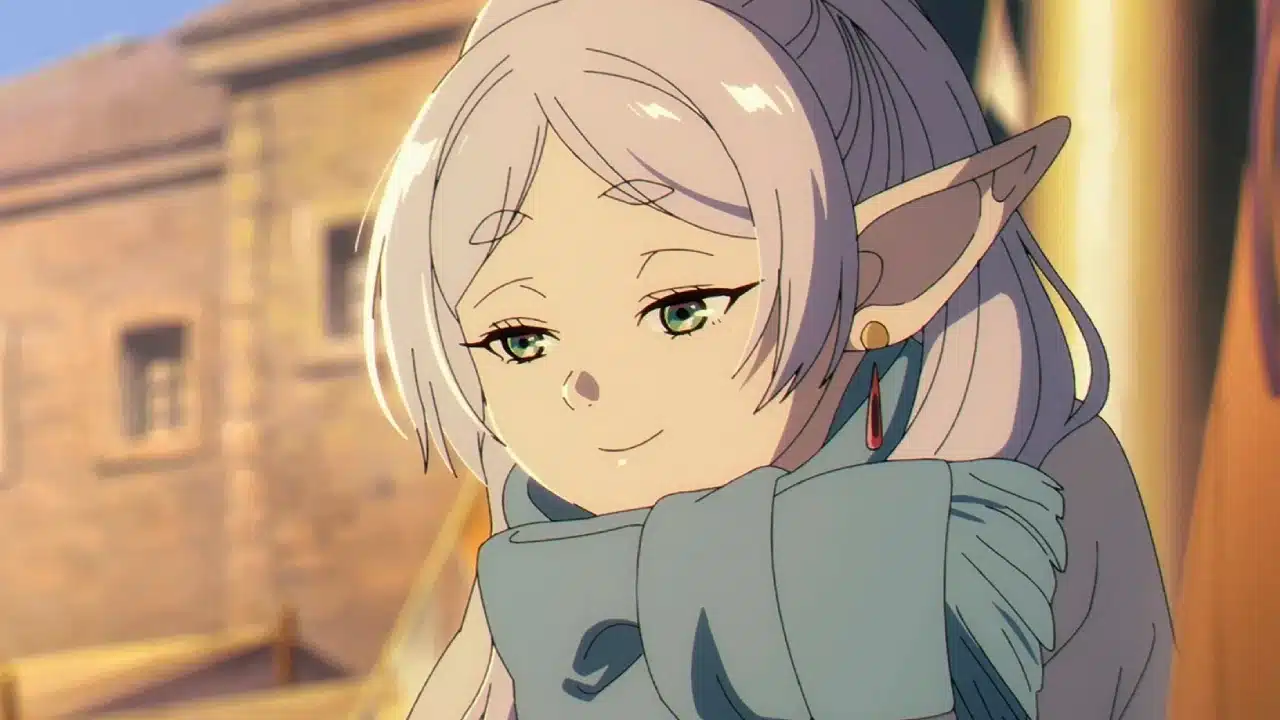
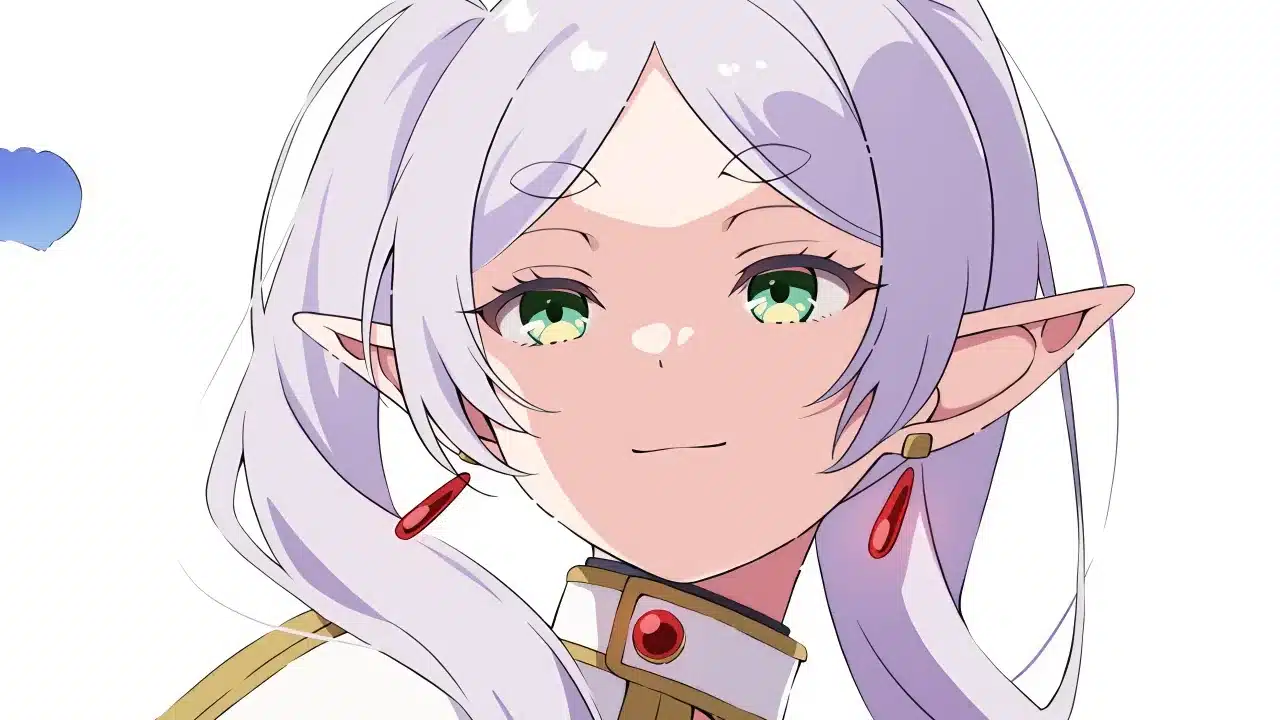
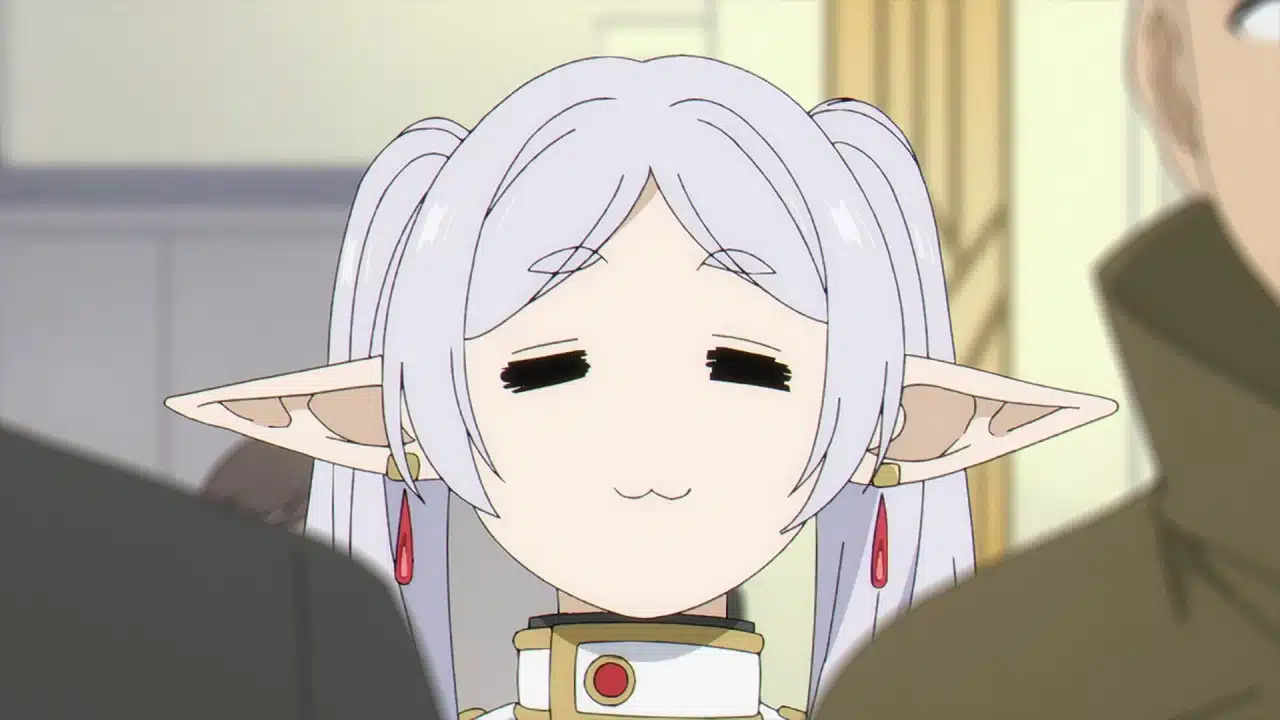
The influence of the anime has crossed the border of the screen to reach the civil registries directly. Recently, an anime fanatic in Indonesia It went viral after revealing the name of her newborn daughter: Frier Anvia Ramadhani. clearly inspired by the powerful and long-lived elf mage of sousou do not frieren, this father decided that the name of his little girl should bear the essence of one of the most acclaimed works of recent years. The news has generated a wave of comments on social networks, oscillating between congratulations on originality and surprise before a name that, until recently, belonged exclusively to the world of fantasy.
The meaning behind the name and the viral phenomenon
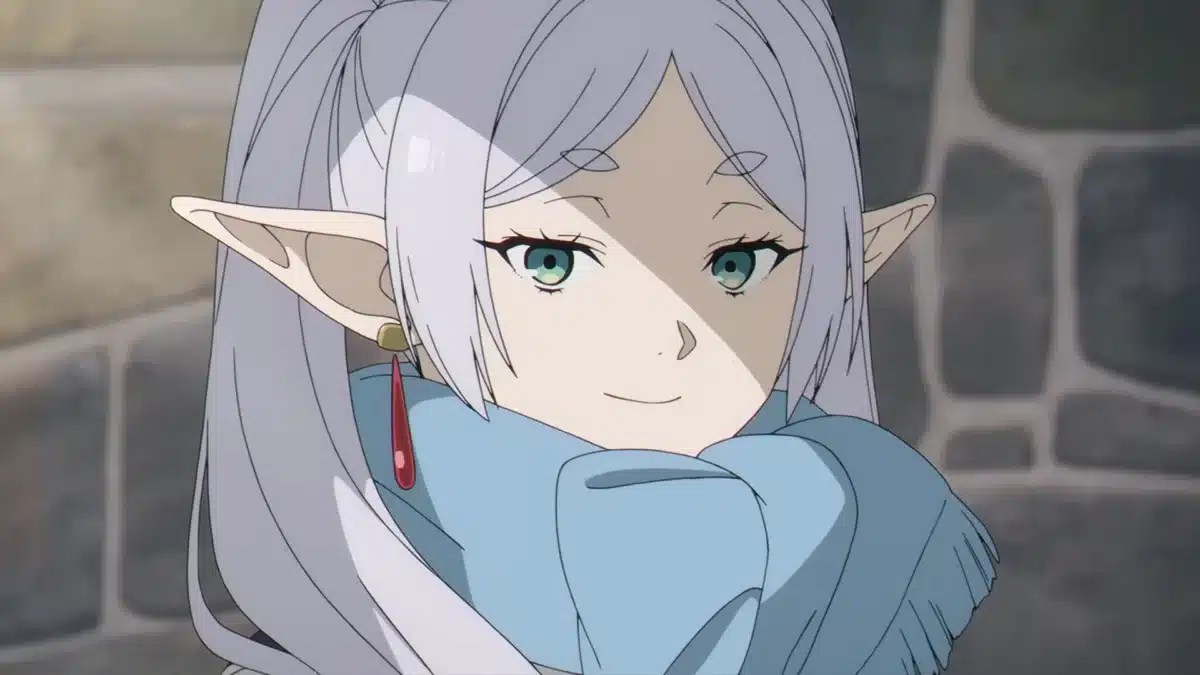
The choice of name “Frier“It is not only an aesthetic reference, but also carries a curious cultural burden. In the context of the series sousou do not frieren, the name evokes wisdom and an eternal perspective on time, but in the real world, its origin is German. Literally, the word “frieren” means “freeze” or “being cold”, which adds a layer of irony by being a proper name for a girl in a tropical country like Indonesia. Despite not being a common name for children or commonly used in real life, the authority of this event lies in how the emotional impact of a story can redefine the use of language and personal identity in global fan communities.
The rise of “anime children” in the world
the case of Indonesia It is part of a growing trend where parents look for names that reflect their personal passions. Experience shows us fascinating examples of this practice in various cultures:
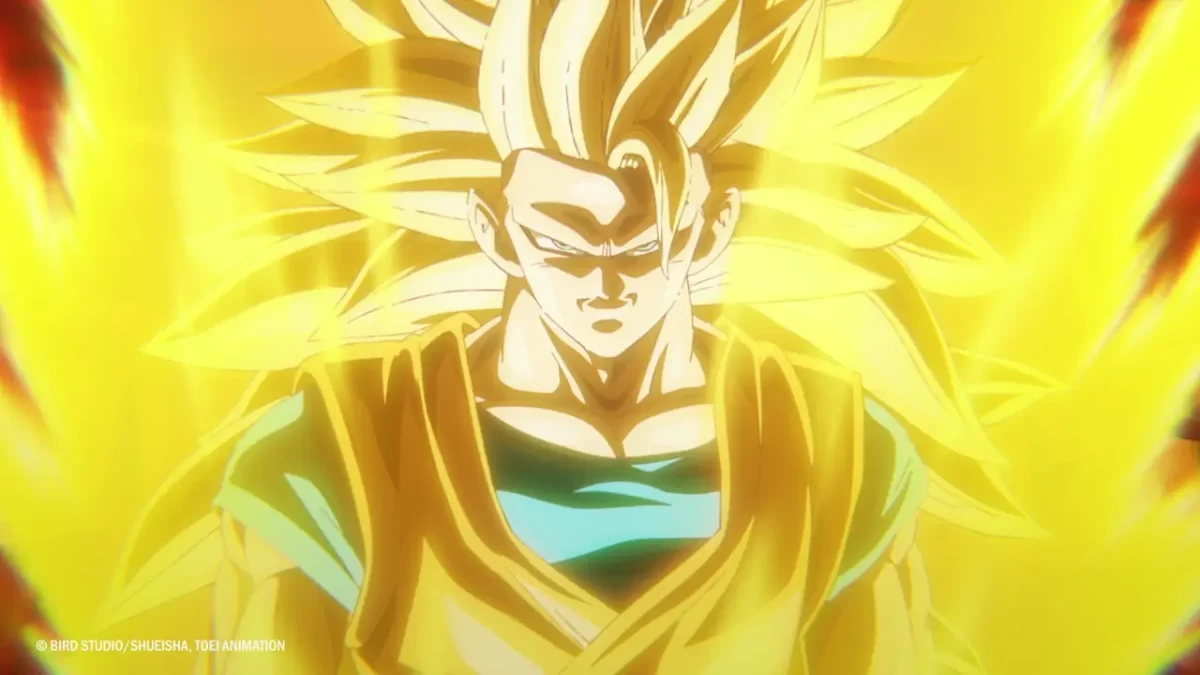
- Goku: In countries such as Spain and Mexico, there are official records of children named after the protagonist of Dragon Ball.
- Gohan: Very popular in Latino communities during the 90s and early 2000s.
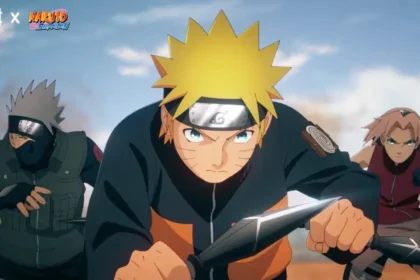
- Sakura: A traditional Japanese name that exploded in international popularity thanks to Naruto and Sakura Cardcaptor.
- Levi and Eren: After the success of Attack on Titan, these names (of Hebrew and Turkish origin respectively) saw a massive increase of records in the West.
- Hinata: Used for both girls (for Naruto) as for children (for haikyuu!!).
Facts about names of rising pop culture
The reliability of this phenomenon is supported by the global civil registry statistics. In the last decade, names derived from popular culture have ceased to be isolated cases to become measurable trends. Names like Arya or Khaleesi (Game of Thrones) and Kylo (Star Wars) have entered the rankings of the 1000 most used names in the US and Europe. With the anime becoming a mainstay of “mainstream” entertainment, it’s highly likely that names like Frier Begin to appear more frequently, as young parents associate these terms with positive values of resilience, magic, and adventure they want to pass on to their children.
The challenge of carrying a fantasy name
Name a child as a character sousou do not frieren It is a commitment to the unique identity in a globalized world. While the originality is valuable, parents should consider the “weight” of the name in the child’s future. A useful advice for parents is the “Globalization Rule”: Choosing a name that is phonetically easy to pronounce in several languages, something that Frier It does quite well. At the end of the day, the name is the first gift that a child receives; Being magical is a choice, but being functional is a responsibility.
Would you give your child the name of a character from Anime If you knew it has a strange meaning in another language? We want to read your opinion in the comments!