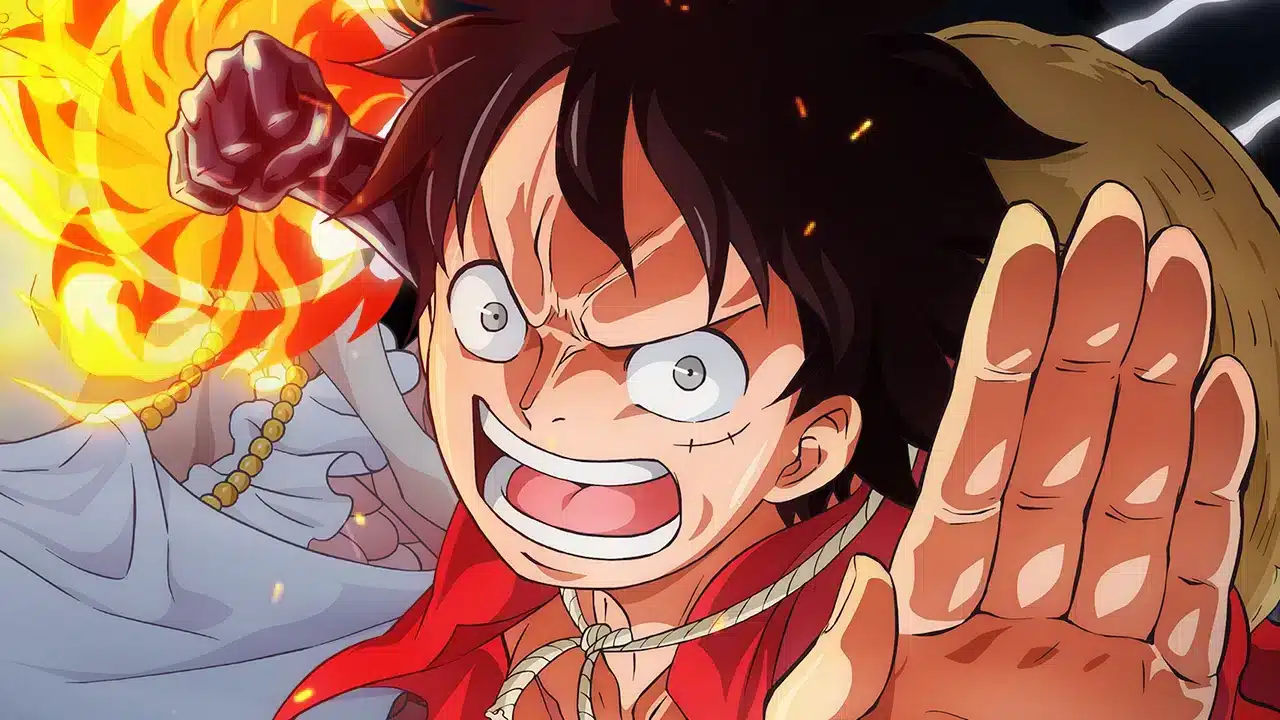
The iconic Jolly Roger of the straw hats. The flag that accompanies Luffy and his crew in one piece, has become the new banner of resistance in Mexico. What began as a symbolic gesture inspired by other countries ended up becoming a national phenomenon. Thousands of young people marched in more than 50 cities in the country, raising this anime flag as a clear message. We no longer trust institutions and want a different future.
The protest arises from the weariness of the growth of crime, the constant corruption and the feeling that the government has failed to protect the population.
The Jolly Roger from fiction to the global symbol of resistance
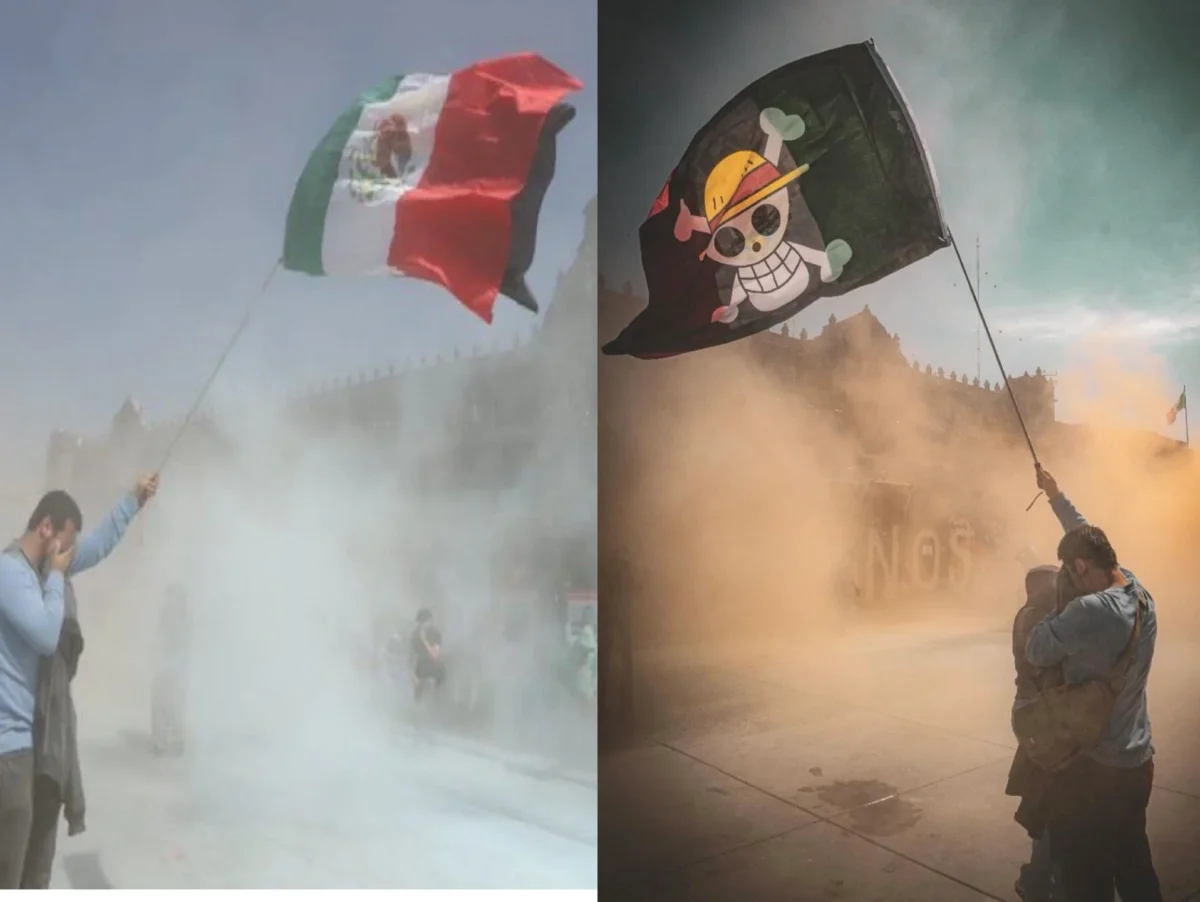
the flag of one piece It has become an international icon of youth protest. Before arriving at Mexico, various movements had already used the figure as a symbol of resistance in countries such as Peru, , France, , Indonesia, , Argentina, , Nepal, , Italy, , Madagascar and Philippines.. For young people, this image is more than a cartoon skull. It represents the fight against oppression.
the union between allies and the desire for freedom that characterizes the crew of Luffy. In each country where it has appeared, the flag has served as a common language among young people who do not feel represented by their leaders and seek their own narrative to express their non-conformity.
The Mexican Generation Z promotes the movement with the flag of one piece
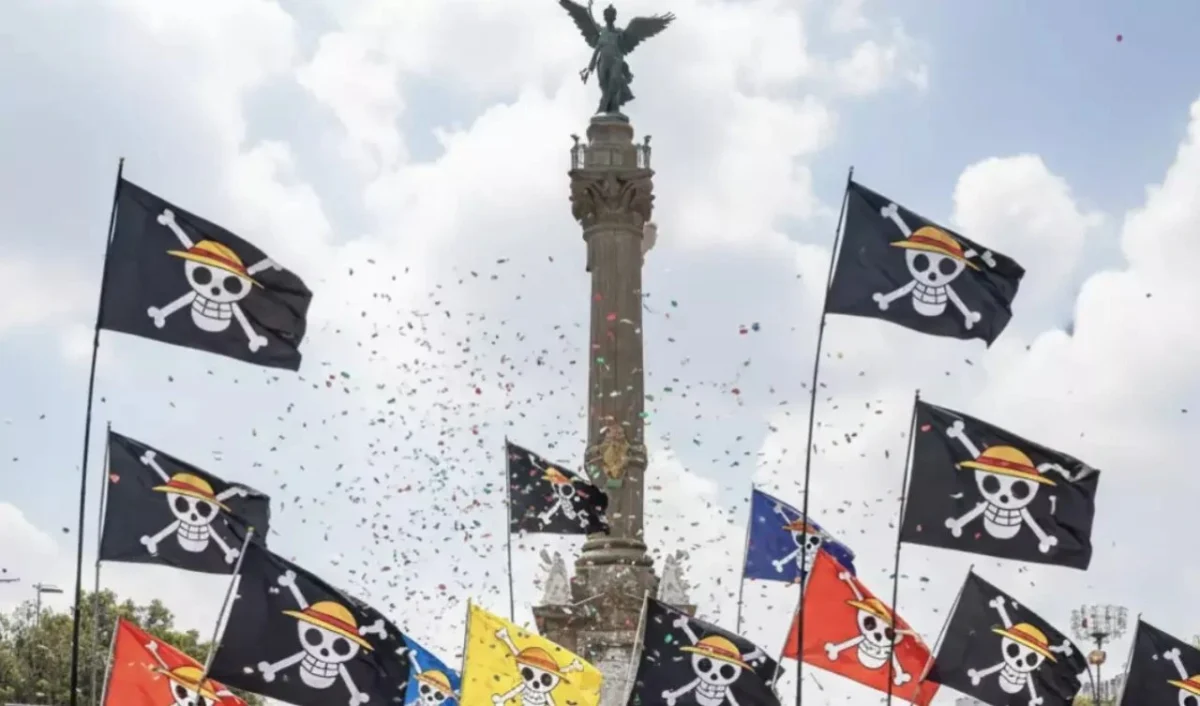
The movement gained strength thanks to the digital organization of the GENERATION Z, who spread calls to march through TikTok, , Twitter/X and Instagram. Videos of users explaining why they adopted the pirate flag quickly went viral. For many young people, Luffy It symbolizes just what they feel is missing in current politics: leadership, courage, justice and the willingness to face corrupt power figures.
This emotional parallelism has been key for the Jolly Roger becomes an effective social emblem. In addition, the organizers made it clear that the mobilization does not have political affiliation. The central message is the requirement of security, government transparency, brake on corruption and a renewal of the traditional political class.
More than 50 cities come together in a burst of frustration and hope
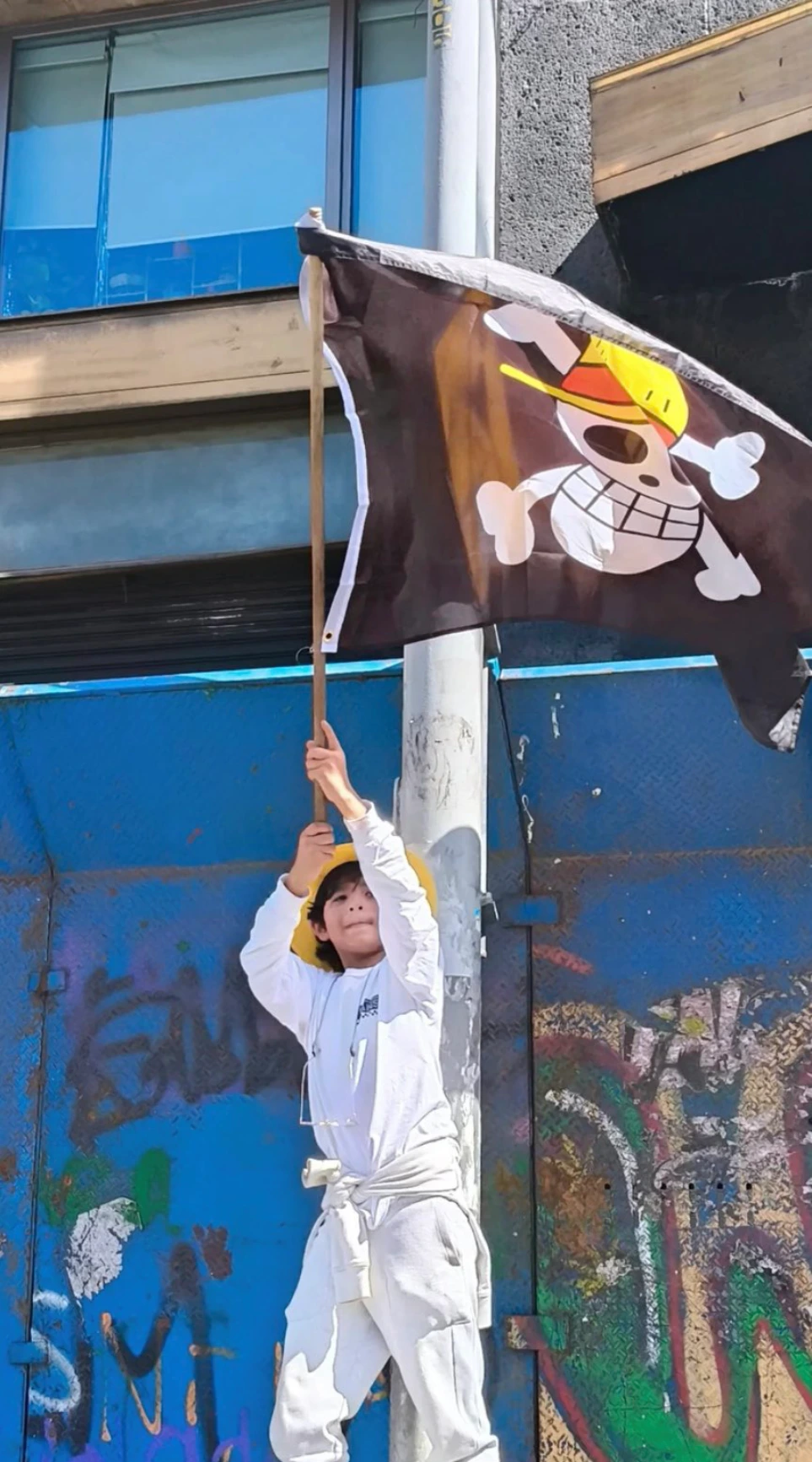
The mobilizations spread to more than 50 Mexican cities, including CDMX, , Monterrey, , Guadalajara, , Puebla, , Merida, , Leon and Tijuana. In each, thousands of attendees marched with banners, slogans and the flag of one piece waving as a unit symbol. Protesters noted that increased violence, impunity and the absence of clear answers from the government have triggered a collective feeling of fatigue. We are not left or right, we are tired citizens”, expressed some young people in the capital march.
The presence of entire families, university students and workers shows that discontent passed generations, although it was the Gen Z who transformed the manifestation into an unprecedented cultural phenomenon in Mexico. The use of the Jolly Roger In the Mexican streets marks a historic moment where pop culture merges with social activism.