Artificial intelligence seems to be found in everything. From homework to voice filters and memes. It is not surprising that he has also tried to infiltrate the world of Anime, seeking to replace artists, screenwriters and animators with algorithms. But as sophisticated as it may seem, AI still does not understand the essentials: the soul behind a story.
AI will be able to imitate anime
In recent years, we have seen experimental “anime made by AI” projects, presented as the future of animation. However, most end up being more technological curiosity than true works of art. They are visually inconsistent, emotionally empty and, above all, forgettable. No matter how much data a machine is fed, it will never be able to capture the sensitivity, melancholy or spark that has a scene created by a human being who has felt the same thing that he tries to portray.
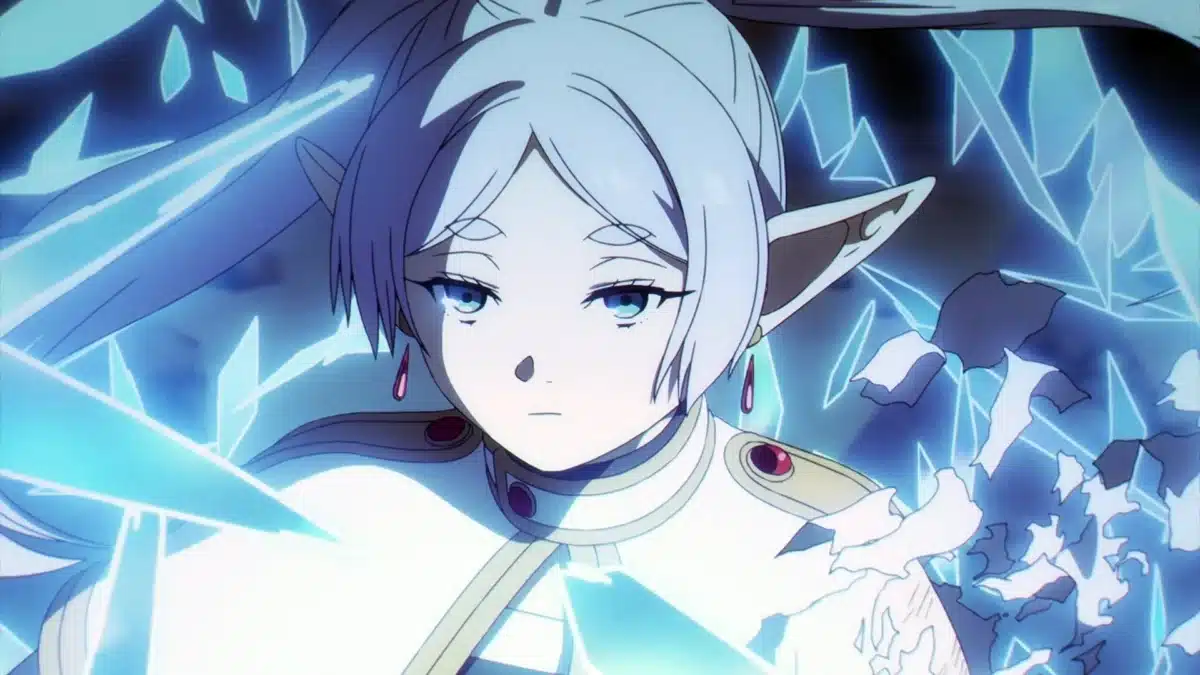
Anime has always been a mix of technique and emotion. From the precision of the strokes of Akira to the visual poetry of Frieren: Beyond Journey’s End, What makes this medium great is its ability to convey something human. A machine can mimic the style, but not the intention. It can generate a face that looks like a character, but can’t create a character you care about.
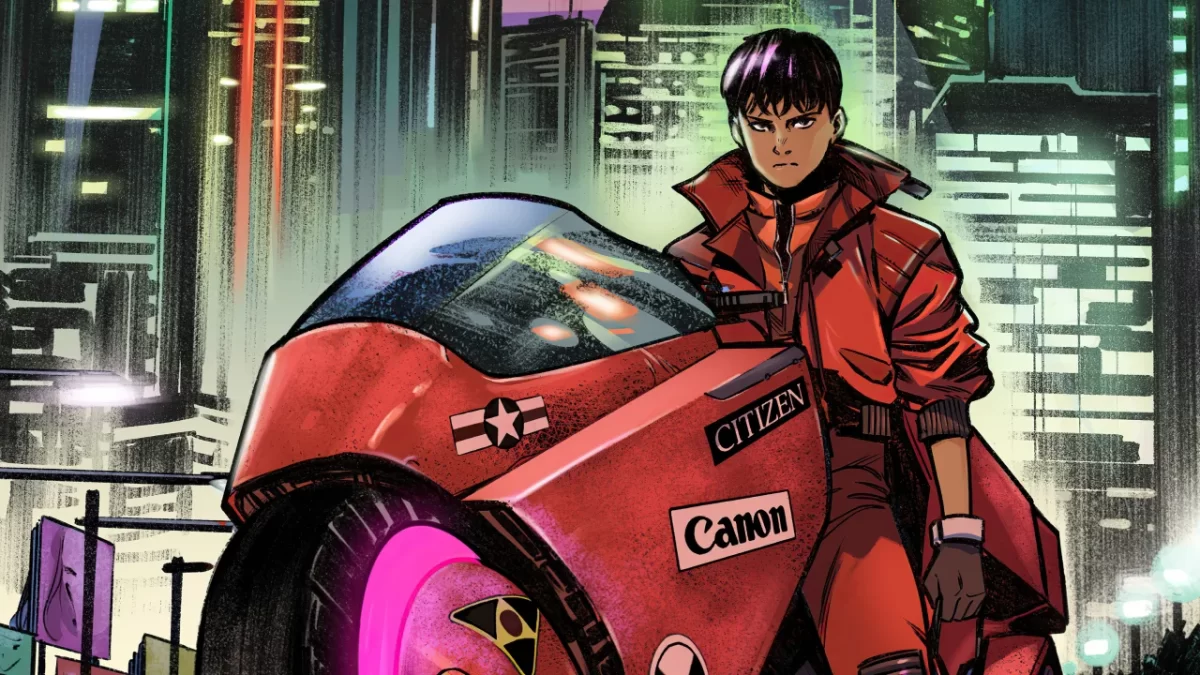
Part of what makes anime special is precisely its imperfection: the lines that are noticed handmade, the limited animation that is compensated with ingenuity, the personal touch of each studio and artist. AI eliminates that in favor of “efficiency”, but the result feels cold and mechanical, like a poorly made cosplay of what was once art.
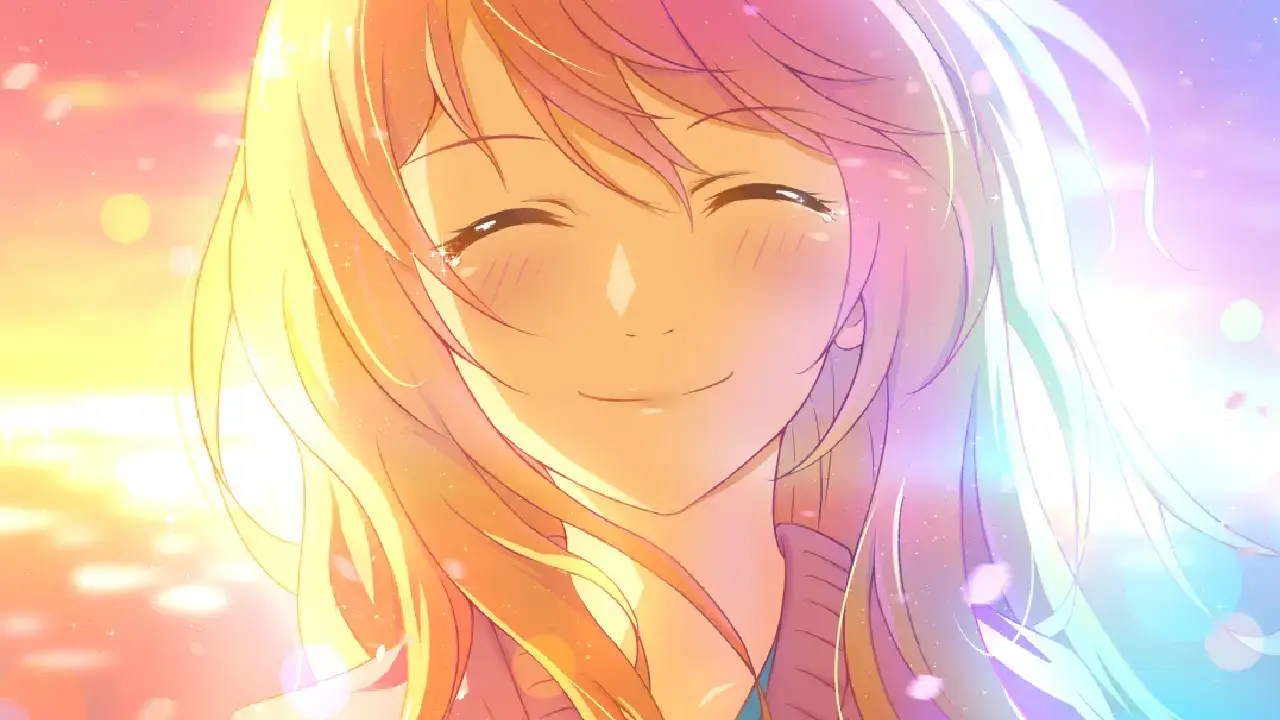
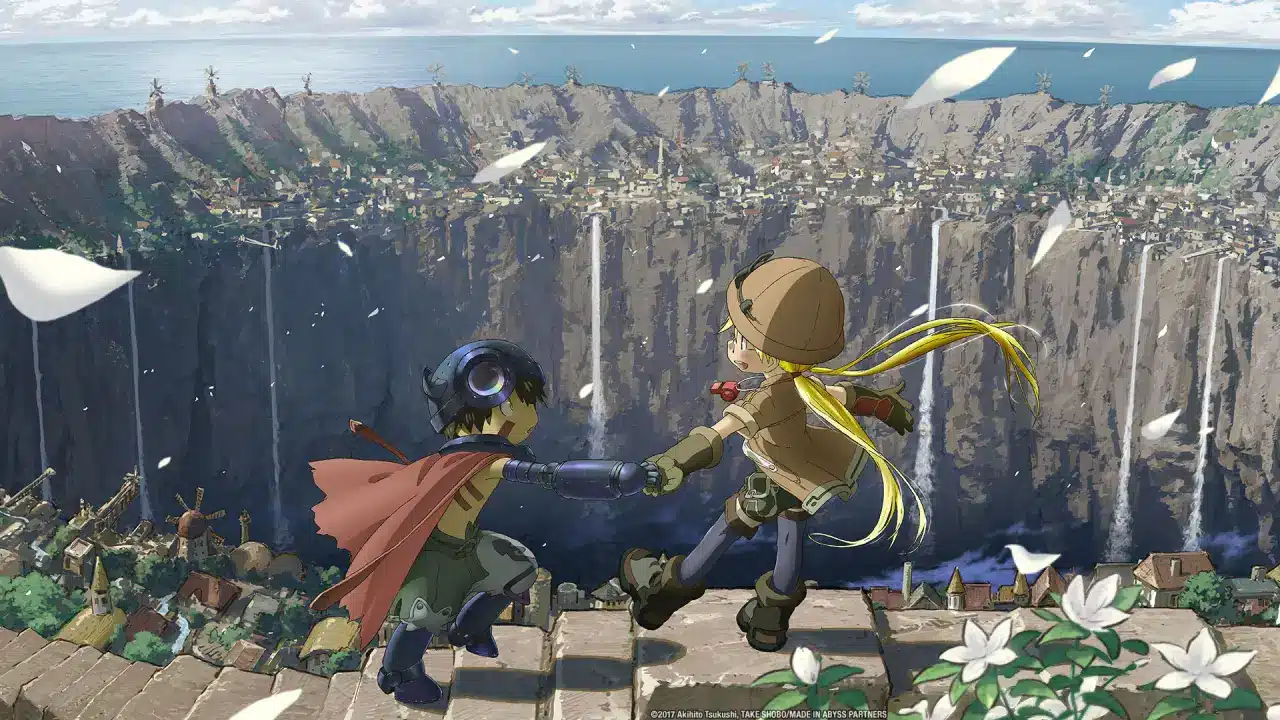
In addition, the narrative driven by AI lacks something essential: experience. The best scripts are born from real emotions, from wounds, from loves and losses. How can a neural network write something like Your Lie in April or Made in Abyss if you have never felt sadness or amazement? The only thing you can do is copy patterns and average emotions, but art is not about averaging. It’s about feeling.
Therefore, the “anime with AI” does not represent an evolution, but a caricature of progress. It can serve as an auxiliary tool, to test ideas, speed up funds or assist in production, but it can never replace the human touch that gives life to a character or meaning to a story. Believing the opposite is like thinking that a synthesizer can replace an entire orchestra: it can imitate sound, but not passion.
The anime, in the end, is a conversation between the artist and the viewer. And for that connection to exist, there has to be someone who feels, to doubt, to remember. Until an AI can be nostalgic or afraid of losing someone, it will still be just that: a machine repeating what it doesn’t understand.
Anime with AI is a trick, one that may impress for a while, but forgets as fast as it is generated. Because what makes us love this art is not the pixels, but the people behind them.