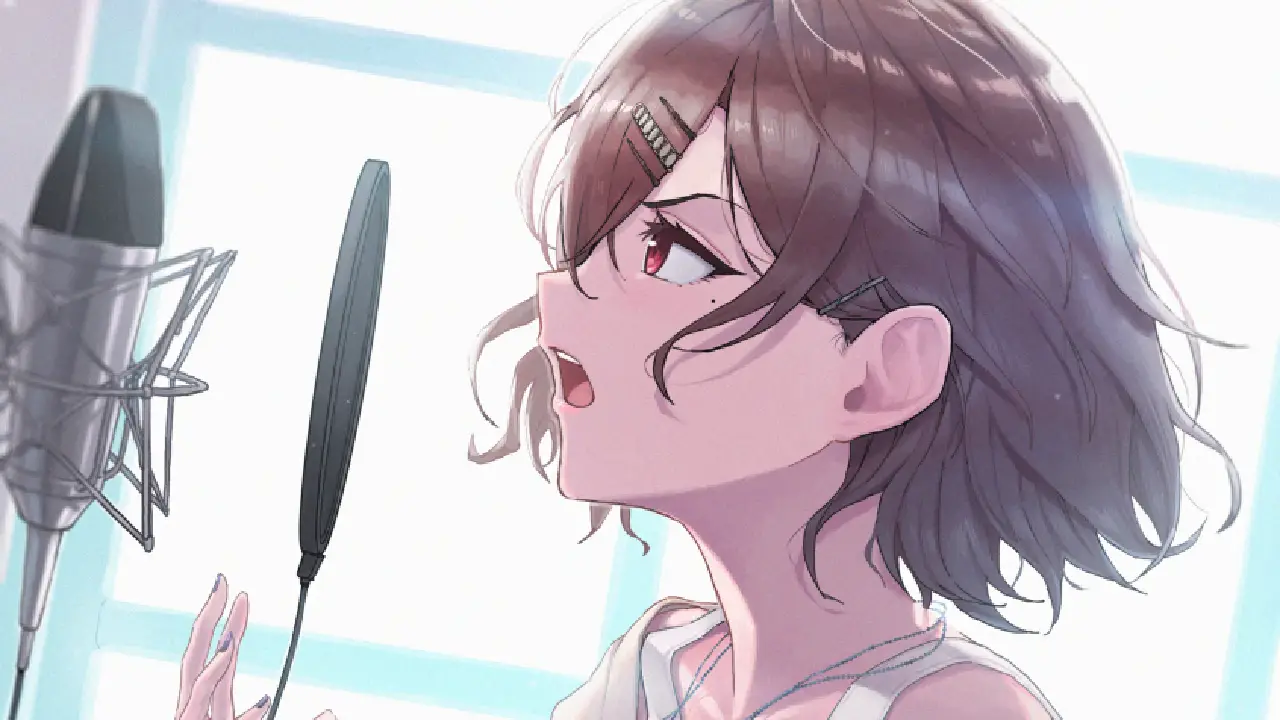
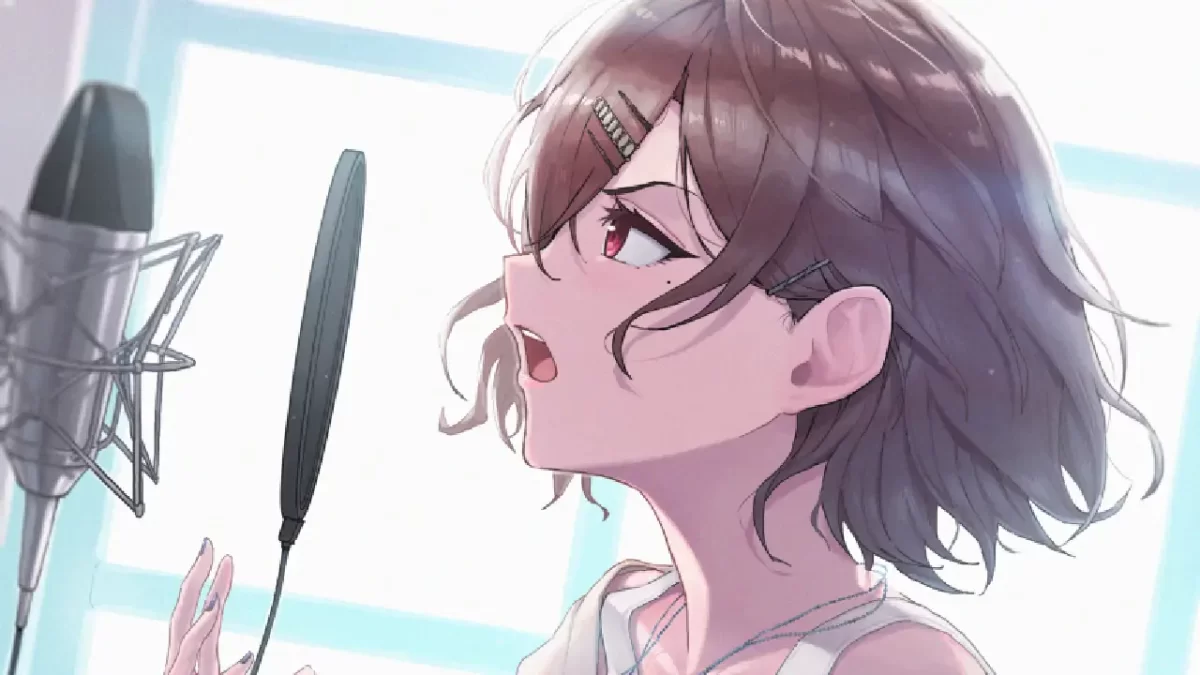
What does it take to succeed as Seiyuu in Japan? The answer given by a sound engineer with years of experience in anime recording studios surprised many: it is not the vocal technique, not even the interpretive talent. According to him, what really decides who gets consistent work in the Japanese dubbing industry is all about something much more human and much less glamorous than the public imagines.
The myth that every aspiring Seiyuu believes at the beginning
It is common for those who start dubbing in Japan to assume that success will come naturally if they have good interpretive skills. It is a logical expectation: the voice is the work tool, so it seems reasonable to think that perfecting it is enough.
But according to an experienced Japanese sound engineer who has worked on various recording studios for anime, television and audiovisual productions, that belief is far from how the industry really works. Throughout his career within the studies, he was able to observe first-hand that factors such as perseverance, behavior and interpersonal skills weigh as much, or more, than the pure vocal technique.

The reality of the recording studio, far from the glamor
One of the points that the engineer directly dismounts is the idealized image that many fans have about what it is like to work inside a dubbing studio. Contrary to what is usually imagined, the atmosphere is not constantly exciting or cinematographic.
In practice, recording sessions involve long waiting times, routines that are repeated over and over again, and a work dynamic that requires a considerable dose of patience from all involved, voice actors included.
To this is added another factor that many applicants underestimate: each recording can have a completely different atmosphere, with directors who have different work approaches and specific requirements according to the project. The professional who manages to quickly adapt to these changing conditions, according to the engineer, tends to stand out much more than the one who relies solely on his vocal technique to stand out.

‘Easy to try’ may be worth more than a perfect performance
Perhaps the most revealing point of all the testimony is the importance that the industry gives to professional behavior within the study. As explained by the engineer, the work of dubbing is completely collective, the harmony between the technical team, the directors and the voice actors directly influences the final result of any production.
In this context, being an easy person to deal with usually weighs more on casting decisions than offering a technically impeccable interpretation at a specific time. The reason is simple from production logic: a recording set works best when everyone involved can work fluently, without stresses or frictions that delay the process or affect the work environment.
According to the engineer, the unstable professionals, even those with a lot of talent, end up losing ground to colleagues who, although they may not be the most virtuous vocally, inspire confidence and maintain a constant performance over time.
Why stability weighs more than bright moments
The engineer also stresses that the industry especially values professionals capable of maintaining a constant level of quality in each project, instead of relying on exceptional performances that occur only occasionally.
This coherence generates something fundamental within the industry: trust. And it is precisely that trust, built recording after recording, that ends up opening the door to new job opportunities. In many cases, the casting process is not decided solely based on who is the most talented actor available, but based on who conveys the certainty that he will deliver the expected result without complications or surprises.
What this means for those who dream of being seiyuu
This testimony offers a valuable perspective for anyone who dreams of becoming a voice actor in Japan, or just for curious fans about how the industry really works behind their favorite series. The popular narrative usually focuses exclusively on the vocal talent of the best-known Seiyuus, but behind every iconic voice of the anime there is also a story of constant professionalism, adaptability and trusted relationships built over time.
For the Japanese dubbing industry, talent opens the door, but it is reliability that keeps that door open.