The news is clear. the official art of Black Clover which showed Noelle, , Mimosa, , Vanessa and Secret In a swimsuit it was drastically modified in the Arabic scans of the manga. The original bikini garments were replaced by full body swimsuits, a visible change in the comparative image. But why is this not just a translation anecdote, but an editorial decision that affects the perception of art? We analyze it thoroughly, breaking down the implications of applying local rules to the work of a mangaka.
The impact of mutilating the original art of the author of Black Clover
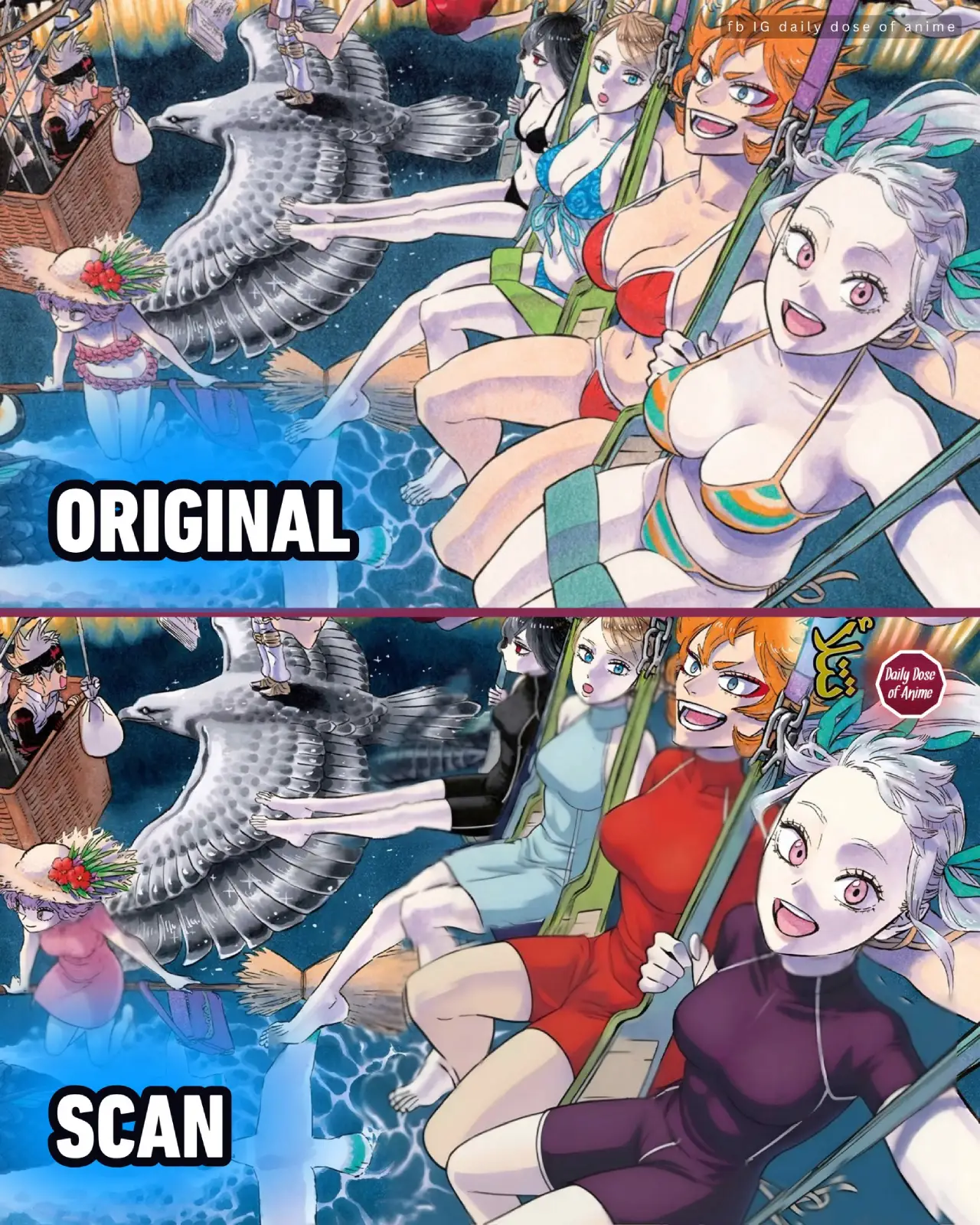
the facebook page Daily Dose of Anime shared the following comparison. And it is that when we saw the original scene of promotional art, the intention of Yūki Tabata It was clear. This was a time of relaxation and summer for the Black Bull Squadron. Here the dress (or the lack of it) was part of the cheerful and carefree tone of the fan-service beachy. The change to suits that cover the entire body fundamentally alters this intention. From a perspective of the experience of the reader who consumes the art in its entirety, the censored version feels depersonalized. It’s not just clothes; is the Skipping of the creative vision of the author for that specific piece, a loss of fidelity in the cultural transition.
The application of local regulations as an editorial filter
This modification is a direct example of how local publishers or distributors exercise their authority to align content with the cultural sensibilities and religious regulations of a territory. In this case, the need to adhere to “local rules” in Arab countries (which usually have more conservative dress codes, especially for female representations) forced change. The implicit message is that Tabata’s art, without modification, would be considered inappropriate or even prohibited in those markets. This practice underlines the constant tension between the Global creative freedom of mangaka and Local distribution restrictions.
The precedent of content adaptations in the global manga
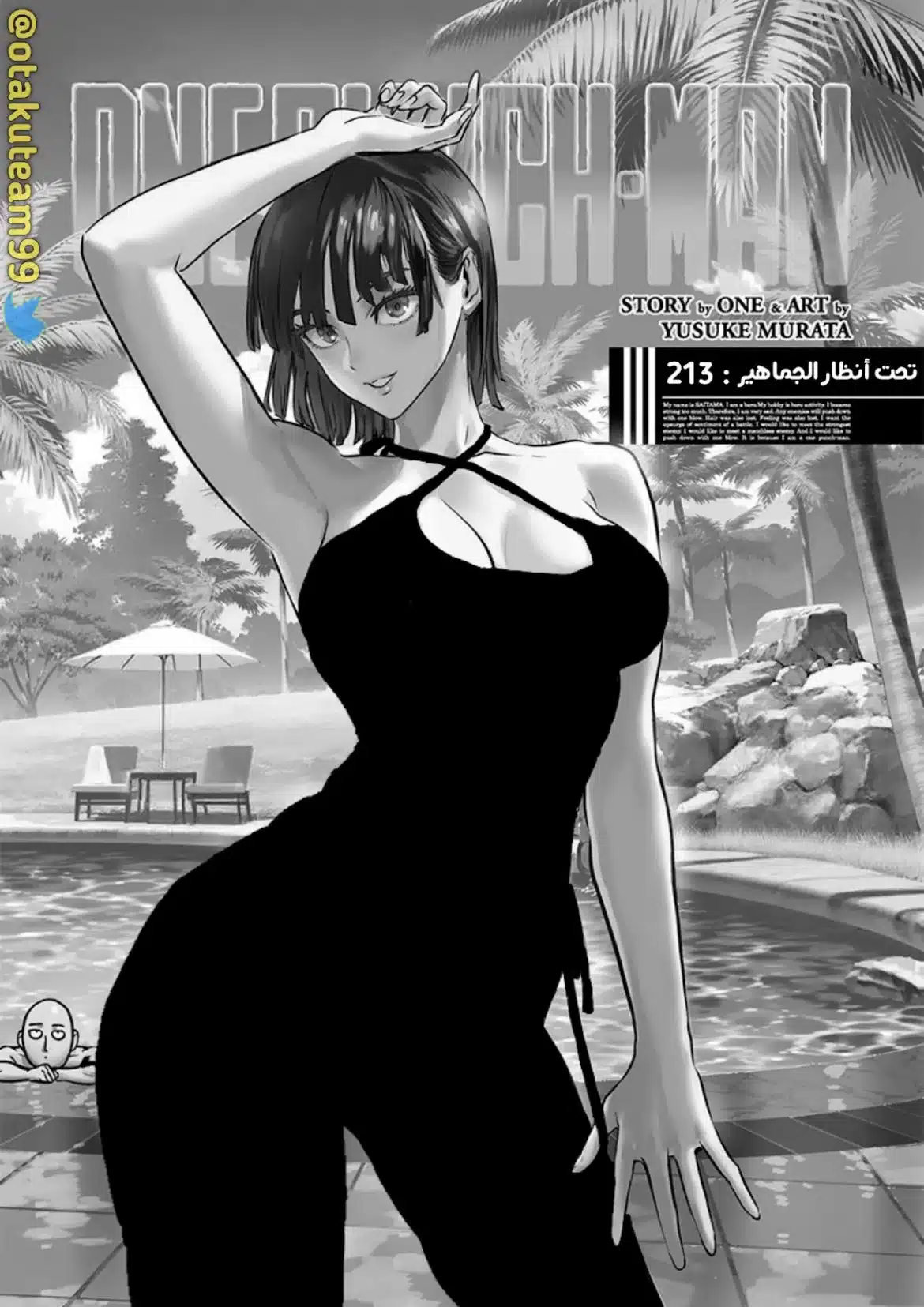
this case in Black Clover It is not the first, and surely it will not be the last. It gives us a vision of the editorial strategy to ensure global distribution. To access crucial markets such as the Middle East, manga companies are willing to allow (or even request) these visual alterations. This generates a debate of trust between the reader who expects maximum fidelity to the original and the editor that seeks the maximum distribution. The reader faces the choice of consuming an adapted version or looking for the uncensored version, diluting the unified experience of the FANDOM Global. Something similar happened with One Punch Man Fubuki.
Censorship more than evident in that part of the world, not only with Black Clover
The case of censorship in the Arabic scans of Black Clover It is a fascinating case study on the collision between Japanese pop art and cultural imperatives. Although the adaptation is necessary for the manga to reach new territories, the alteration of the original art always poses a dilemma of integrity. Although the motivation to comply with local regulations is understandable from a business and logistics point of view, the practice of modifying the art of the author should be the last resort.
Do you think that publishers have an obligation to maintain the integrity of art despite cultural blocks, or is it a higher priority to make the work accessible at any price? Leave your opinion in the comments!