
There is a paradoxical phenomenon in the anime community related to having a favorite title that, on principle, No one is ever suggested. These animes are personal gems that a fan defends to death, but that instantly recognizes as a “unfit” for the general public or even for other fans. Why does this self-censorship occur? The answer is not that the anime is “bad”, but that it is designed for extremely specific audiences that would hardly fit into profiles of fans looking for easy to consume anime series. Our expert analysis breaks down the three categories of “impossible to recommend” anime and what they reveal about the limits of taste in pop culture.
1. The extreme niche: slow, complex or too conversational
This category includes works that demand an intellectual investment or patience that the casual viewer is not willing to give, especially for those who from minute 0 already want to see epic battles. Examples of this type of series we can cite Monogatari series, , Mushishi or Chihayafuru.

Expert Analysis (Monogatari): The fans of this franchise highlight the great variety of dialogues that the series has at all times and adore its non-linear structure, which is capable of showing us the beginning of this entire story until the end. Although the most great thing in this disorder is that it contradicts itself and actually has a well-planned order that feeds an intrigue in the viewer by allowing us to understand what exactly happens and by its non-linear structure, feeding the intrigue by the origin of a certain character and past or future events that affect the PLOT.
However, for many fans who want to see something quick and easy to digest, it could be too stressful because of how dense it is, especially because of the large number of episodes and dialogues. Literally, to understand an event, you must analyze past and future episodes, so it could easily generate frustration in certain people.
Expert Analysis (Mushishi): For the fans of this franchise we are facing a series that is really relaxing, thanks to its slow pace, however, for those who expect hard and pure action from a shonen, it will surely generate desperation. Although the work really has a great emotional impact when it is appreciated in all its splendor.
Conclusion: The fan knows that the Experience Seeing it is not easily reproducible for the neophyte.
2. Uncomfortable content: The Factor of Shame and FanService
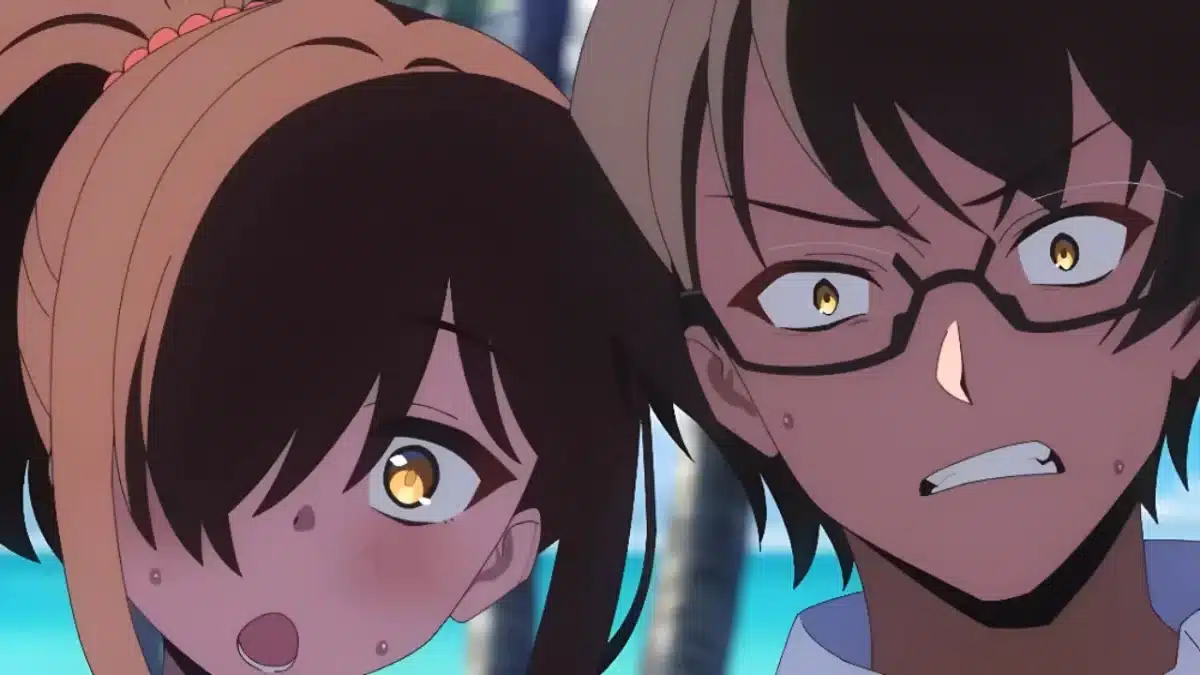
This is the category that activates the Social self-censorship And it limits people to talk publicly about what they see out of fear. The fan loves the value of production, comedy, or story, but the explicit content or the high fanservice shown on the screen makes it impossible to recommend without feeling embarrassed. Some animes that fall into this category are Gushing Over Magical Girls, , Golden Boy or interspecies reviewers.
- Expert analysis (social): The fan values humor or social criticism hidden in the series, but understands that external perception (the “first impression”) will be of Low value content Or just catalog as “rare”.
- Defense Mechanism: the fan Prioritize your social identity About his honesty of what kind of content he really likes to see. He prefers to omit publicly about what type of content he sees to avoid exposing himself to the judgment that “he only watches Anime H”.
The Emotional Devastating: Too Dark Issues

The last group is the masterpieces that explore in depth human misery, abuse or despair, such as Made in Abyss or Grave of the Fireflies.
- Expert analysis (emotional): The fan loves him because the trauma he experiences is the narrative quality test (e-a-t). Feel the need to protect the potential new viewer from that pain.
- The link of experience: The fan has already experienced devastation and cannot simply “send” a friend to see something that he knows is a Heavy emotional burden. It is an act of protection born from first-hand experience.
Omitting to recommend an anime that has marked our lives is not a sign that we are facing a bad series, it is more of an alarm that internally we have imposed a barrier that does not allow to speak publicly about the subject for internal beliefs. Our verdict as analysts is that this action is a maturity filter: The fan learns to distinguish between the “Anime Gateway“ (easy to recommend, eg Attack on Titan, Death Note) and the “Anime niche“ (personal and non-transferable). The deepest art is often the hardest to share because it is more difficult to understand at the same time and often consumers want to see content that is easy to digest.