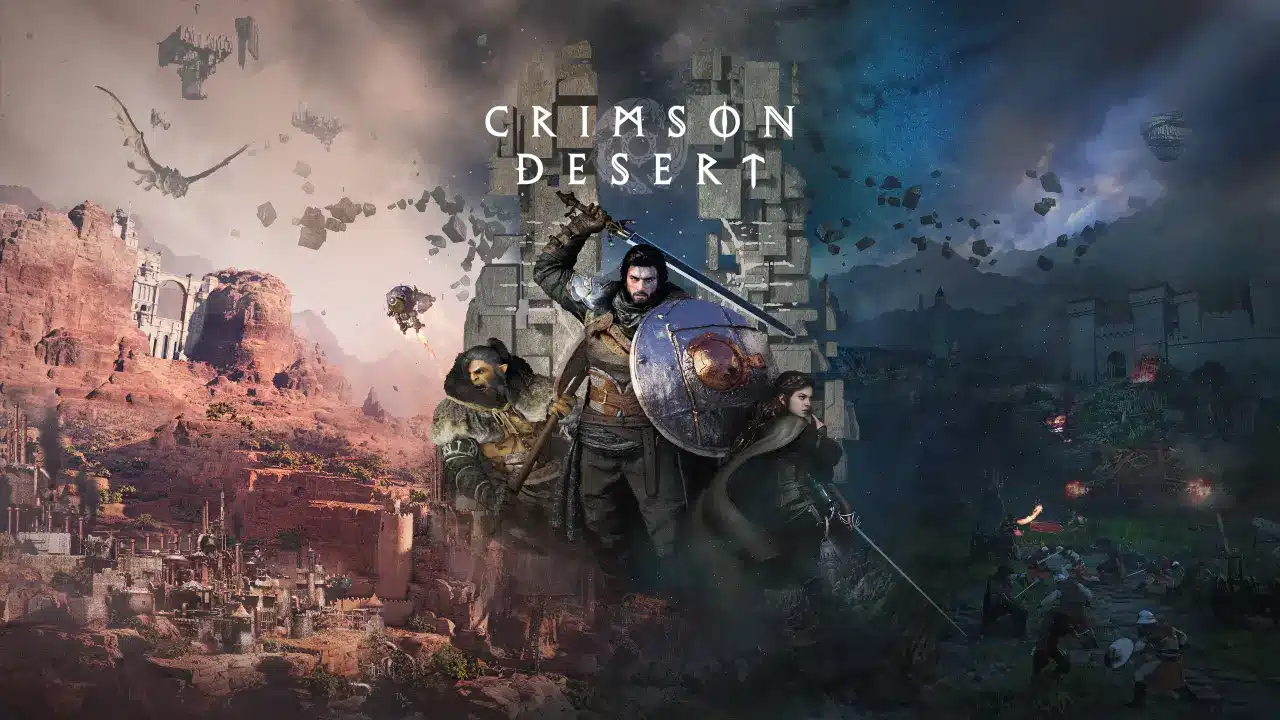
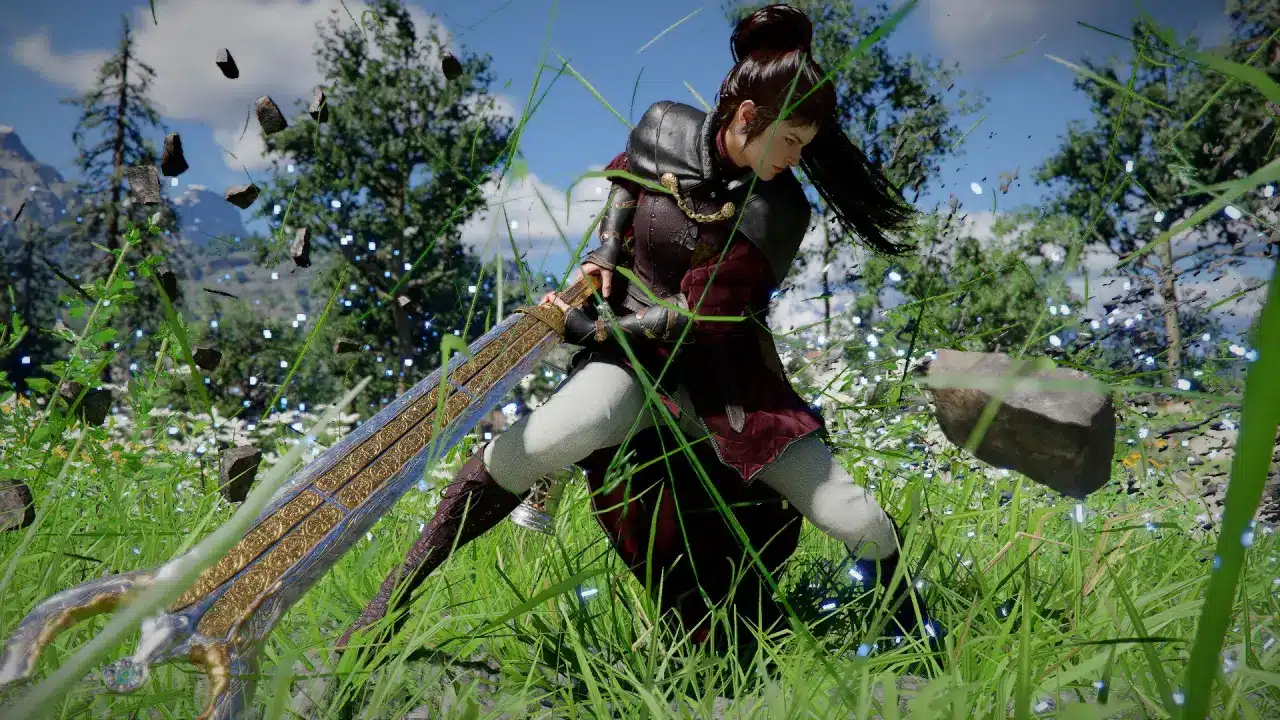
The ambitious launch of Crimson Desert It has taken an unexpected turn just hours after its premiere. What should be a celebration of its vast open world has become a debate on ethics and transparency in the development of high-budget video games. Various users have reported the discovery of visual assets that seem to have been created using Generative Artificial Intelligence. And just this has turned on the alarms in the community. But why is this different from other generic asset cases? We analyze it in detail.
The discovery of the community in Pywel
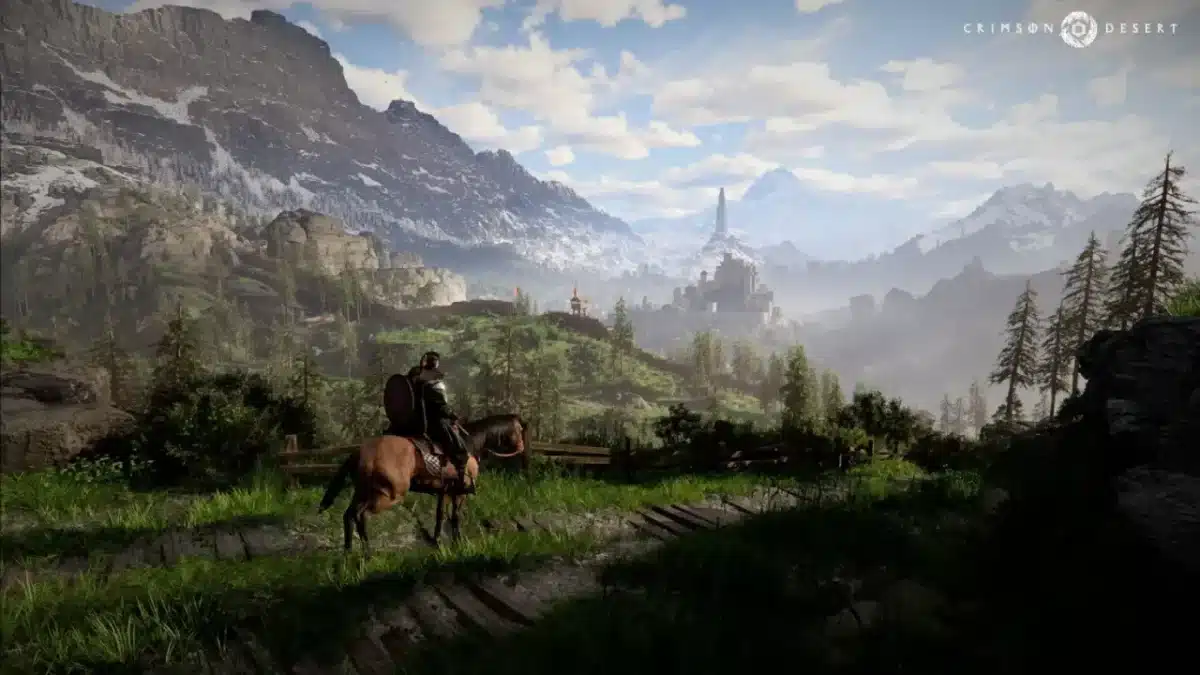
After exploring the first regions of PYWEL, Several players noticed visual inconsistencies in decorative elements of the environment. Specifically, pictures of pictures and signs have been shared within the taverns of Crimson Desert that present the classic deformations associated with unrefined AI models. Horses with leftover limbs are observed, human faces that lack defined features and hands with fused fingers that completely break the immersion of the title.
This situation is especially striking given that Pearl Abyss had focused part of his marketing campaign on the authenticity of his world. The fact that Crimson Desert Include these items without a previous statement has generated a feeling of disappointment. Especially among those who expected a handmade finish in every corner of this premium $70 experience.
Crimson Desert and the conflict with Steam policies
Beyond aesthetics, the use of these tools in Crimson Desert poses a serious legal and administrative problem. Currently, Valve requires all developers to declare whether they have used generative in the creation of final assets to be able to publish in their store. At the time of writing this note, the official website of Crimson Desert On Steam does not show any warning or label indicating the use of such technology.
If it is confirmed that these boxes are final pieces and not simple “placeholders” forgotten by mistake, the study could be a direct fault against the platform’s terms of service. Lack of transparency is what seems to bother users most. They argue that hiding the use of Crimson Desert And its automation tools is a dishonest practice. Especially for the consumer who pays the full price for a supposedly hand-cured product.
A technical oversight or a design decision?
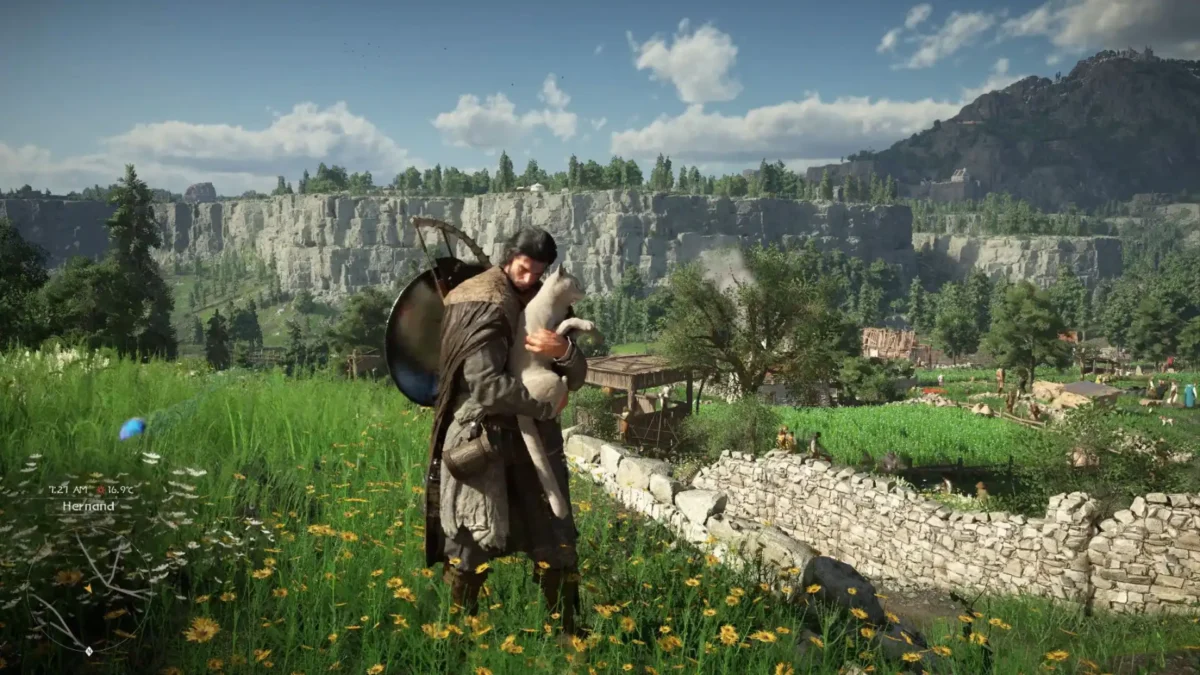
Many wonder how it is possible that a game with this level of technical polishing allows the input of “slop” generated by algorithms. When I played the first few hours, the fidelity of the scenarios was overwhelming. This makes encountering a deformed paint on a wall a very strong visual shock. These assets are likely to come from external libraries packages that were not properly supervised by the quality control team.
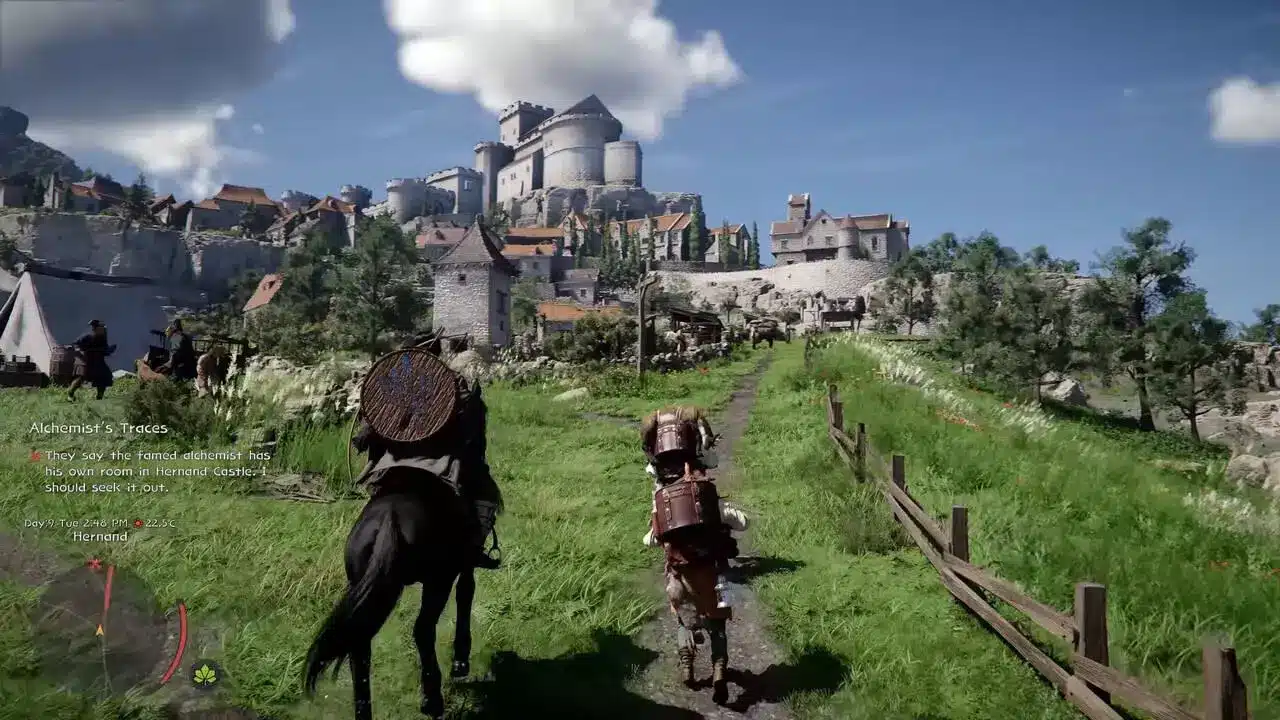
However, in an industry where AI is such a sensitive issue, Pearl Abyss should have been extremely cautious. The presence of these errors in Crimson Desert It tarnishes a launch that had already been dealing with criticism for its performance and the lack of support for certain hardware. The player’s perception is that, if costs were saved in environmental art, what other sections of the game could have suffered similar cuts below the surface.
This incident is a reminder that artificial intelligence, misused, can reduce perceived value to a technical masterpiece. Pearl Abyss must act fast to patch these assets or, failing that, update their transparency statement to calm the waters. The user’s confidence is hard to win and very easy to lose to a horse with five legs.
Do you think the use of AI in secondary elements ruins the experience of a game? Leave us your opinion in the comments.