
the tension between China and Japan Reached a new critical point after the abrupt expulsion of the Japanese singer Maki Otsuki During a festival in Shanghai. The incident, which occurred while interpreting the iconic ending of one piece, became the most visible symbol of a cancellation campaign that hits the Japanese entertainment industry. Sudden blackouts, microphone confiscations, suspended concerts, and frozen movies show a high-speed panorama. In addition, the political background intensifies the impact.
Recent statements by the Japanese Prime Minister, Sanae Takaichi, about the situation in Taiwan, generated a strong discomfort in China (d)Beijing). This mixture of culture, economy and diplomacy amplifies the crisis. And it leaves thousands of fans, companies and artists in an uncertain setting.
A blackout, a song and a diplomatic scandal with China
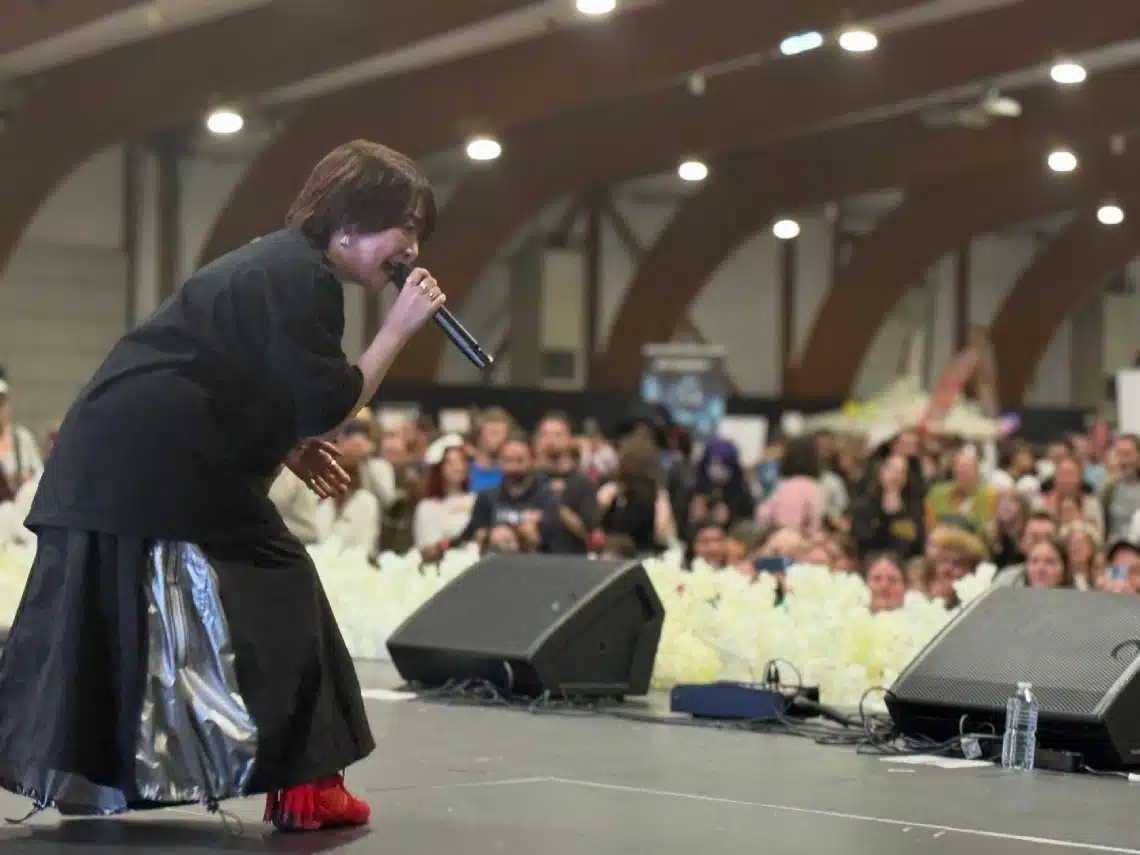
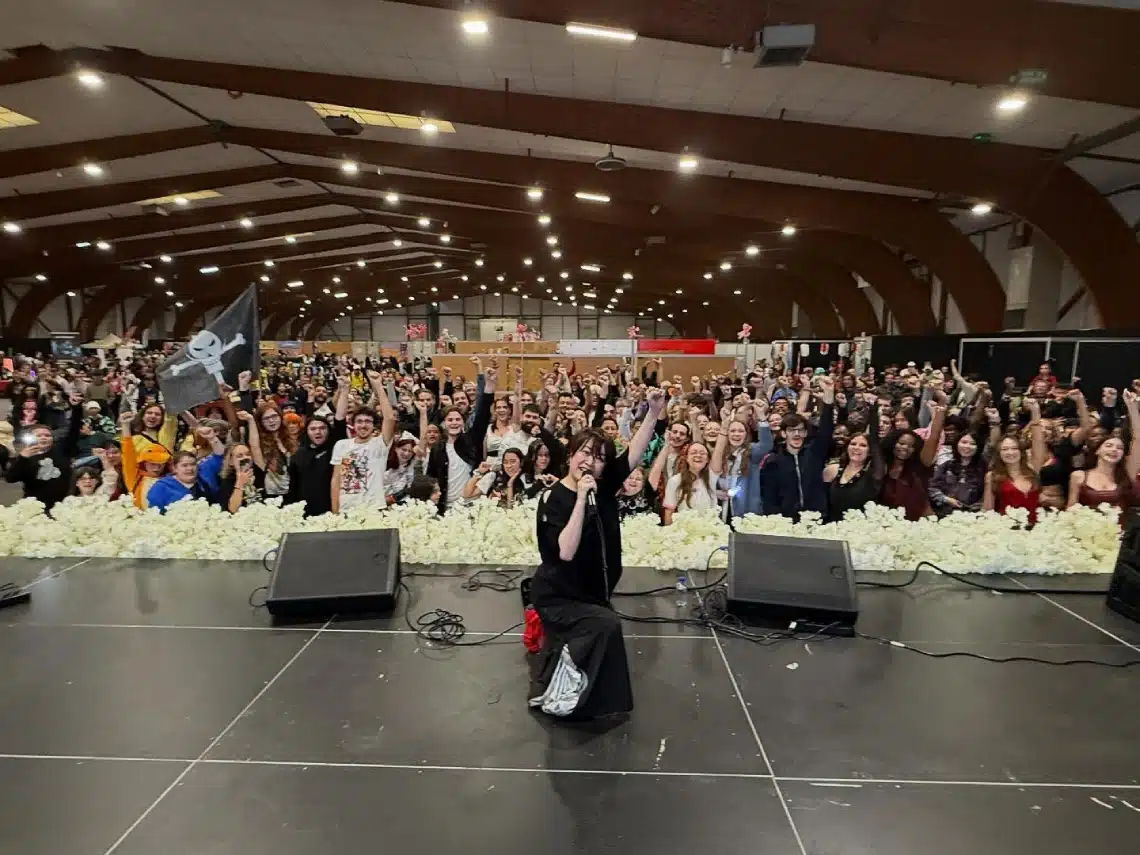
Maki Otsuki He lived one of the most tense moments of his career during the Bandai Namco Festival 2025. The public vibrated with memories, a historic song for fans of one piece. Suddenly, the screens went out. The lights fell. The sound disappeared. According to various versions, Chinese officials manually intervened the power switches to stop the presentation.
The scene became chaotic in seconds. Two staff members took the stage. They removed the microphone Maki Otsuki. They escorted her offstage to the surprise of all the fans of China. And so the show ended without explanation. This moment marked the most visible scandal within a series of measures that almost exclusively affect Japanese artists. And it shows that the conflict is no longer isolated, but systematic.
Canceled concerts, frozen premieres and millionaire losses

the expulsion of Maki Otsuki It was not an isolated event. Other Japanese artists have also suffered cancellations unforeseen. Ayumi Hamasaki, an Asian pop superstar, saw her scheduled presentation disappear from the calendar without notice. Singer Kokia faced the same fate. Nothing was left on the side. Not the concerts, the festivals. nor promotional activities.
The cinema is also paralyzed. The China Film Administration Frozen new approvals for Japanese films. In addition, at least six previously authorized releases were suspended. They stand out among them Detective Conan: The Time-Bombed Skyscraper, a new film Crayon Shin-chan and the version live-action of Cells at Work!. The potential losses are enormous. China is a crucial market for anime. there, suzume He got more than half of his global income.
the boy and the hero of Studio Ghibli He obtained about 40% of his world proceeds only in Chinese territory. giant companies like Sony and Sanrius They also depend heavily on the market in China. Sony generated 1.2 billion yen in sales in the region. Sanrio almost tripled his billing thanks to agreements with Alibaba. All this is now at risk.
China-Japan regional tension and a wave of cultural boycotts
The political trigger came after the statements of the Japanese Prime Minister Sanae Takaichi. Indeed, on November 7, he claimed that a Chinese military attack against Taiwan would pose a direct threat to Japan and, consequently, could demand a military response from Tokyo. These words, in turn, set off the alarms in China. Therefore, the spokesperson for Ministry of Foreign Affairs, , Mao Ning, declared that the statements had hurt the feelings of the Chinese people and, furthermore, that they damaged bilateral cooperation.
Although it did not officially confirm a state boycott, the cancellations indicate a clear strategy. The repercussions even spread to the theater. The musical tour Pretty Guardian Sailor Moon He canceled his entire season Beijing, , Hangzhou and Shanghai. There were also doubts about the continuity of the premiere of Demon Slayer: Infinity Castle. The film started strong, as it grossed $49.9 million in its first weekend. However, his future in the country is now uncertain. In addition, this wave of restrictions shows that culture became a battlefield, one in which diplomacy, business and entertainment collide head-on.