
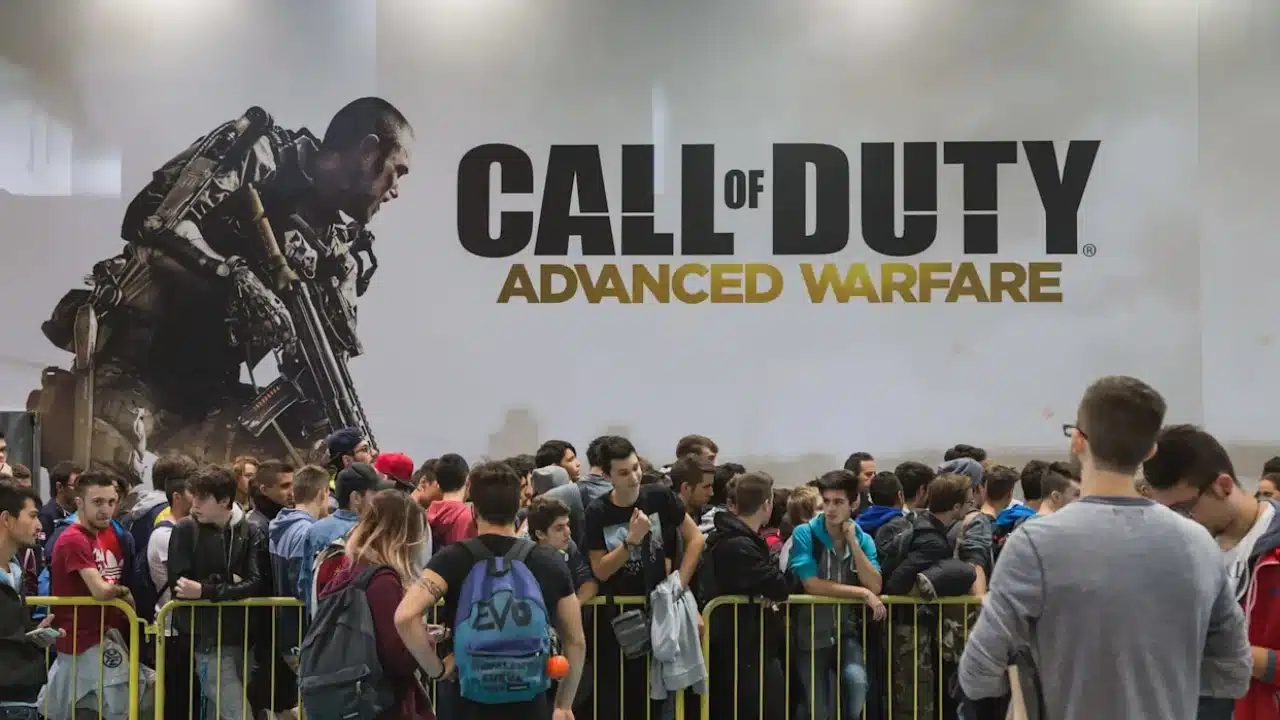
For two decades, Call of Duty has not been just a video game: It has been a cultural territory, a digital battlefield where entire generations met to compete, socialize and build identity. Millions of connected users, international tournaments and communities that never go out transformed the saga into much more than a shooter. Now, with its confirmed leap into the cinema, the question is inevitable: how will Hollywood narrative dialogue with an online ecosystem that moves billions and beats 24 hours a day? If the boundaries between cinema and video games are blurred, play safely on 1xbet casino From Mexico and be the protagonist of your own immersive universe.
The phenomenon is not minor. In a market where online gaming concentrates multi-million-dollar income, moving the Call of Duty universe to the big screen means expanding history and, at the same time, reinforcing the economic heart of the multiplayer.
An ecosystem that transcends the game

Call of Duty’s success was never measured in sales alone: it is measured in its ability to keep a community alive throughout the year. With Warzone, the saga transformed the competition into a live service, with seasons, updates and events that turn each game into a show.
The film is not an isolated product: it is the centerpiece of a transmedia strategy that seeks to expand the universe and feed the flame on the servers. Each premiere can be a magnet: attract returning veterans, add new players and build bridges with audiences who may never have held a command.
Call of Duty Online: The True Financial Engine
If Activision has proven anything, it is that the strength of the franchise is in its online model. Multiplayer and microtransactions represent a good part of the more than 30,000 million dollars generated since its creation.
The theater premiere promises to be a strategic reinforcement. Viewers will not only see a war story, but will also be invited to join the digital community. The effect can be felt in more hours of play, in the growth of e-sports tournaments and in a rebound in spending on additional content.
data confirming the magnitude of the phenomenon
The figures speak alone:
- More than 100 million monthly active users in Warzone.
- Annual income that exceeds 1,500 million dollars, most of them from the online.
- Special events with peaks of 20 million simultaneous players.
- The franchise leads downloads of online shooters in various regions.
- The Call of Duty League plans to exceed 500 million in sponsorships and rights by 2026.
These data show that cinema is not an end, but a springboard to amplify an ecosystem that already dominates the global market.
Narrative as a bridge between screens
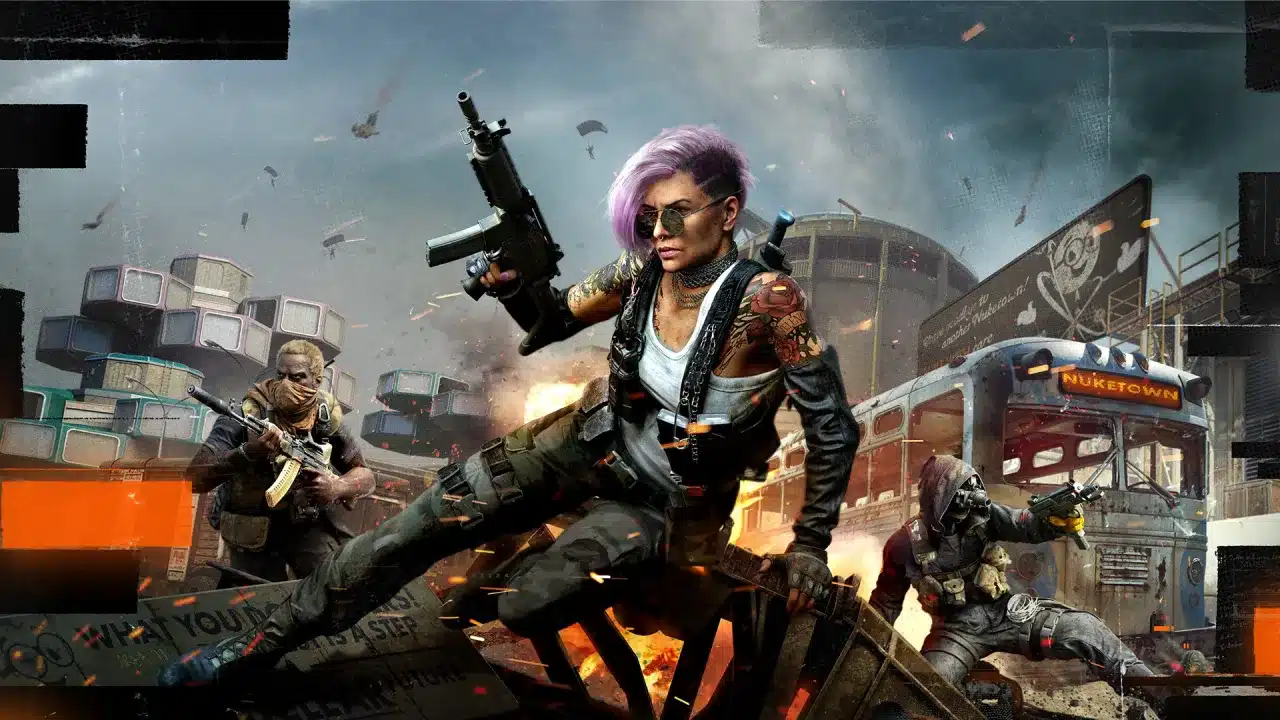
One of the biggest challenges will be narrative coherence. In multiplayer, the story is often diluted against competitive adrenaline; In the cinema, the characters, the drama and the plot arc are inescapable. The key will be to turn the film plot into an extension of the digital universe, with themed skins, movie-inspired missions and real-time events. There are already successful models: other franchises made each premiere become a cultural event and gamer at the same time. Call of Duty has all the cards to perfect the play.
The real challenge will be to ensure that the narrative is not perceived as an accessory. If not as an emotional bridge between two audiences: the movie viewer and the online player. If the film manages to generate memorable characters and plots that can be transferred to the multiplayer, the experience will multiply, creating a feedback cycle where each screen reinforces the other.
Challenges and opportunities of convergence
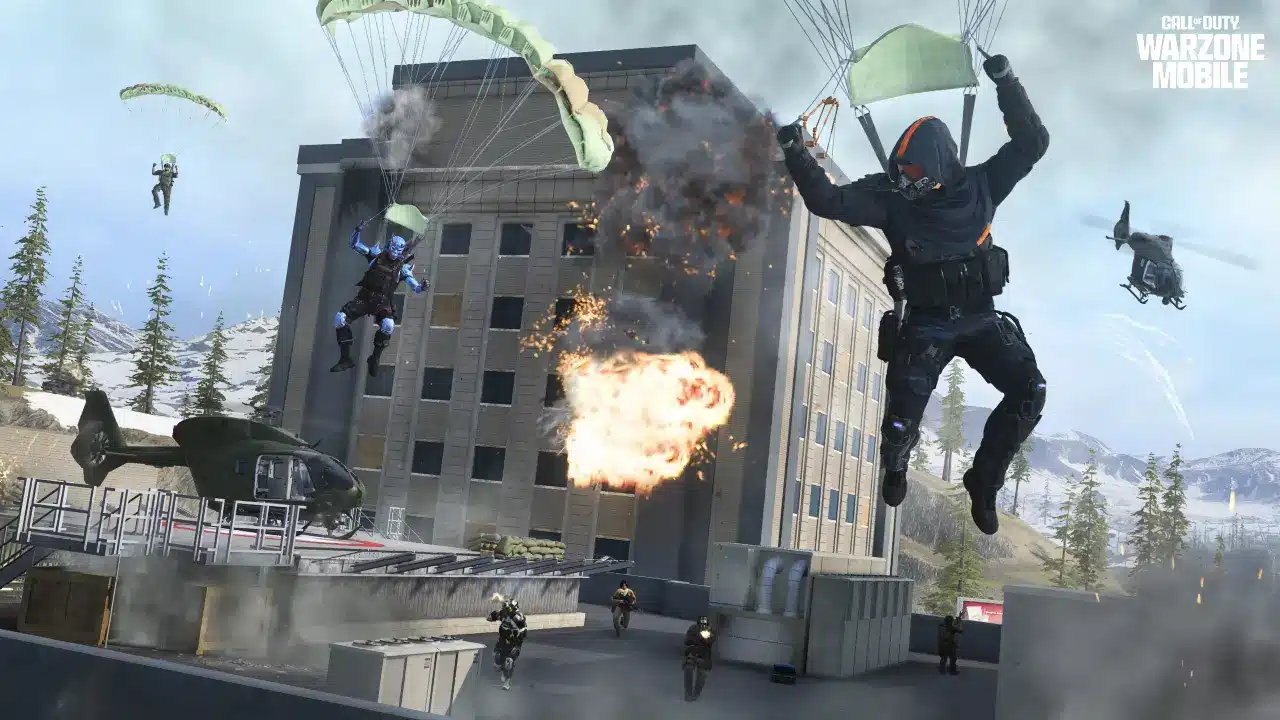
The jump is not risk-free. Video game adaptations often stumble, and the gamer community is one of the most demanding audiences. But it also opens a unique opportunity: to demonstrate that a product can function as an integral transmedia ecosystem, where cinema and online feed back into a virtuous cycle.
The challenge will be to maintain authenticity, not betray the essence and prevent the film from being perceived as simple marketing. If balance is achieved, the result can be a historical synergy: global locker and boiling servers.
A hybrid future between cinema and online
Call of Duty’s leap into cinema is not an experiment. It is the natural evolution of a franchise that always lived between game and show. The multiplayer will continue to be the core, but now with a powerful ally: cinematographic narrative as a community amplifier and gateway for new audiences.
In a world where online gaming is already the dominant form of leisure, Call of Duty seeks to demonstrate that the future of entertainment is not divided between cinema and video games: you play, look at and live in both scenarios at the same time.
The impact of this movement goes beyond the show. With the convergence between cinema and gaming, the very notion of franchise is redefined: we are no longer talking about isolated products, but about narrative ecosystems that cross screens, platforms and audiences. Call of Duty not only seeks to entertain, it seeks to occupy a central space in global digital culture.
In the end, the big bet is clear: becoming the first total transmedia phenomenon of war gaming, joining box office, servers and e-sports in the same digital heartbeat. If you succeed, you will set a precedent: the starting point of an era where each film can also be a gamer event, and each online game, an extension of the cinematographic show.