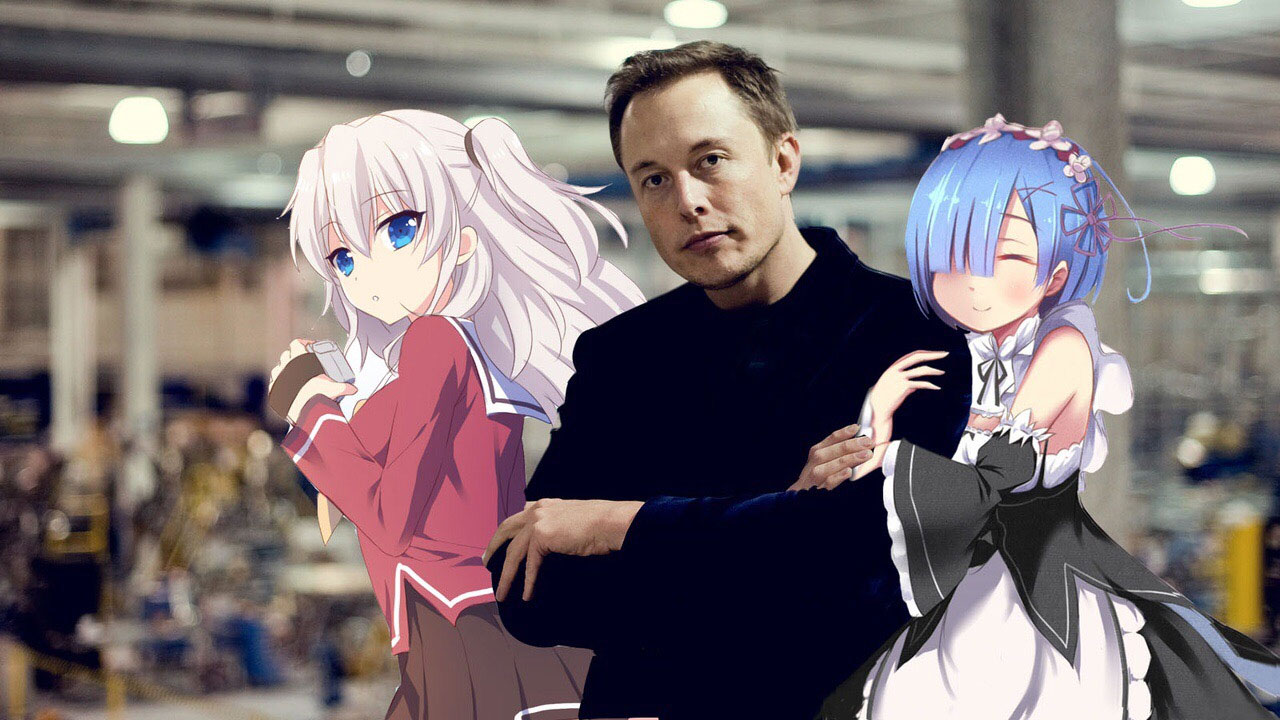
the debate on the possible censorship of the Anime and the Japanese manga To meet assumptions Global Standards has climbed internationally. The billionaire and owner of Twitter/X, , Elon Musk, entered the controversy openly criticizing this position, calling it shameful and questioning the interests behind it. His intervention has given voice to a massive concern of fans and creators who see this initiative as a direct threat to the identity and authenticity of Japanese pop culture.
Elon Musk answers and turns on the debate

On August 26, Elon Musk reacted to a post from Zenko Kurishita, former member of the Tokyo Metropolitan Assembly, who warned about the lawyer’s statements Masaki Kito. He had claimed that the sleeve and the Anime They had to rethink their way of creating themselves if they wanted to succeed at an international level. Musk did not take long to answer with a blunt: Shame on That Lawyer. Who is paying him to push that? (d)What a shame for that lawyer. Who is paying you to boost that?).
the message of Elon Musk It went viral and quickly placed the issue among the main trends in Twitter/X, attracting the attention of media and fan communities around the world. Many interpreted their stance as an open endorsement of the creative freedom of Japanese artists, validating the concern of those who believe that Global Standards They are actually an excuse to apply covert censorship.
The origin of the controversy: internationalization or censorship?

The controversy began on August 25, when Masaki Kito, lawyer known for his role in a copyright case against DANDATE. He suggested that in order to expand globally, the industry had to align itself with international parameters. For him, this adaptation was necessary for the internationalization of manga and anime.
However, his words were seen by thousands of users as a direct attack on the cultural authenticity of Japan.
In a matter of hours, the networks were filled with comments rejecting the idea, both Japanese fans and foreign fans. who agreed that what makes the unique Anime and to sleeve It is precisely his freestyle, risky and sometimes controversial. For many, imposing external rules would be equivalent to diluting Japanese culture and transforming it into a generic product to please an international market.
A broader fight against anime and manga censorship
This debate takes place in a context in which fans and creators already face what they call financial censorship of the anime. payment networks as MasterCard have blocked operations to acquire legal content, especially works of genres such as Boys’ Love or titles with graphic violence. Although the companies insist that they allow legal transactions, the testimonies of authors and publishers show the opposite.
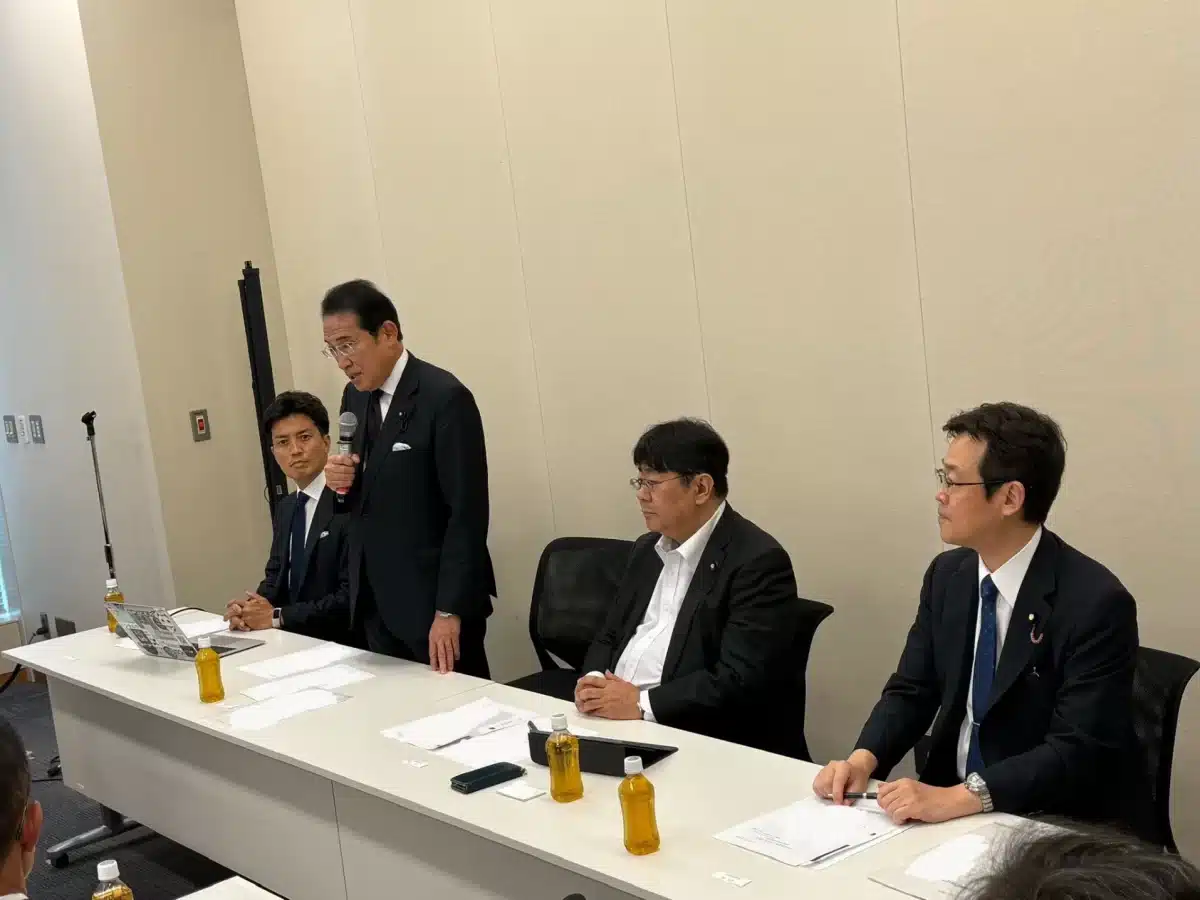
The Japanese politician Taro Yamada, also fond of Anime, even organized a private meeting on August 25 to deal with this problem, which he described as financial censorship. For Yamada and many creators, these types of measures represent a more concrete danger than the simple pressure of Global Standards.