
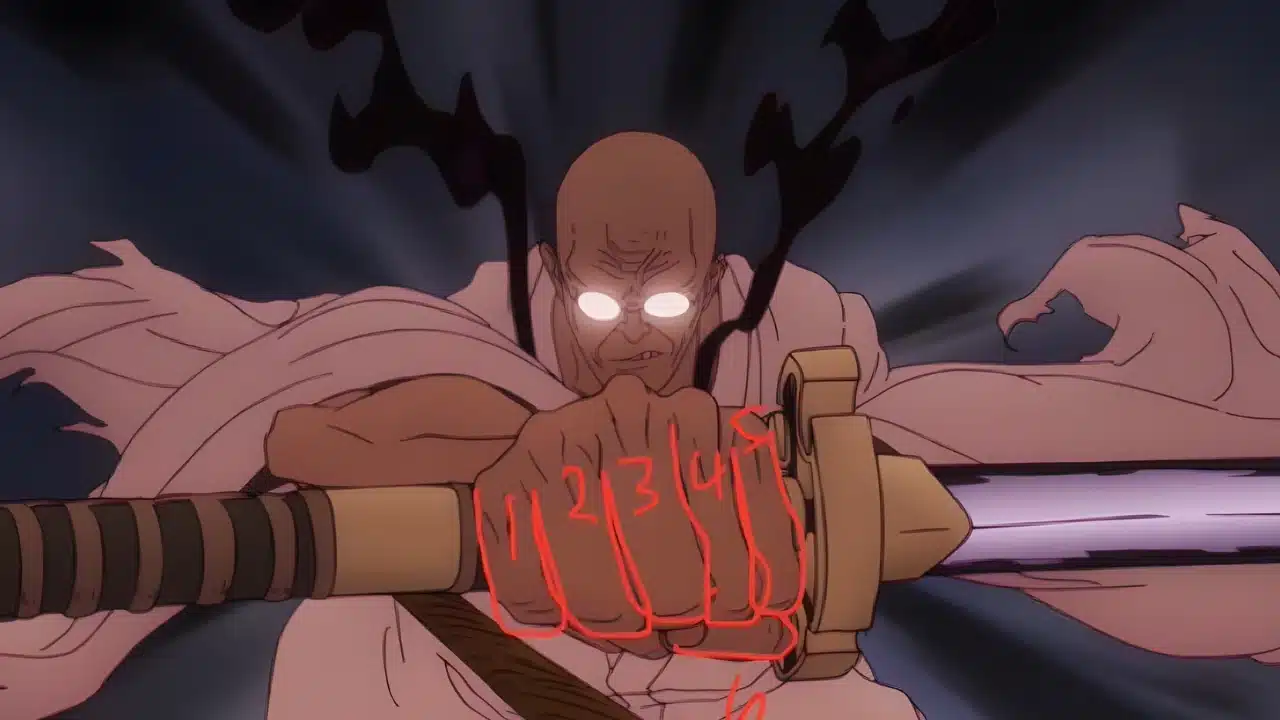
A recent episode of one piece sparked an unexpected controversy when viewers noticed the presence of a “extra finger” in a scene. The image went viral in Japan, and almost immediately, accusations Toei Animation for an alleged use of artificial intelligence. Faced with the stir, the responsible animator himself came out to clarify the situation, explaining that it was all a simple drawing error. However, the fandom reaction left a question in the air: Why did the first suspicion fall on AI and not human failure?
The shadow of AI in public perception
Toei Animation He clearly communicated his intention to incorporate artificial intelligence tools into secondary processes such as coloring or funding. Your goal is reduce the workload of the animators. Although the measure seeks to optimize production, it also aroused a new sensitivity within the fandom. Today, any visible error on the screen, whether it is a character out of model or an irregular shading, It is interpreted as a signal that AI intervenes more than it should.
However, animation failures have always existed. The difference is that, in the middle of a technological age, artificial intelligence became the perfect scapegoat to justify any imperfection.
“Human error” as proof of authenticity
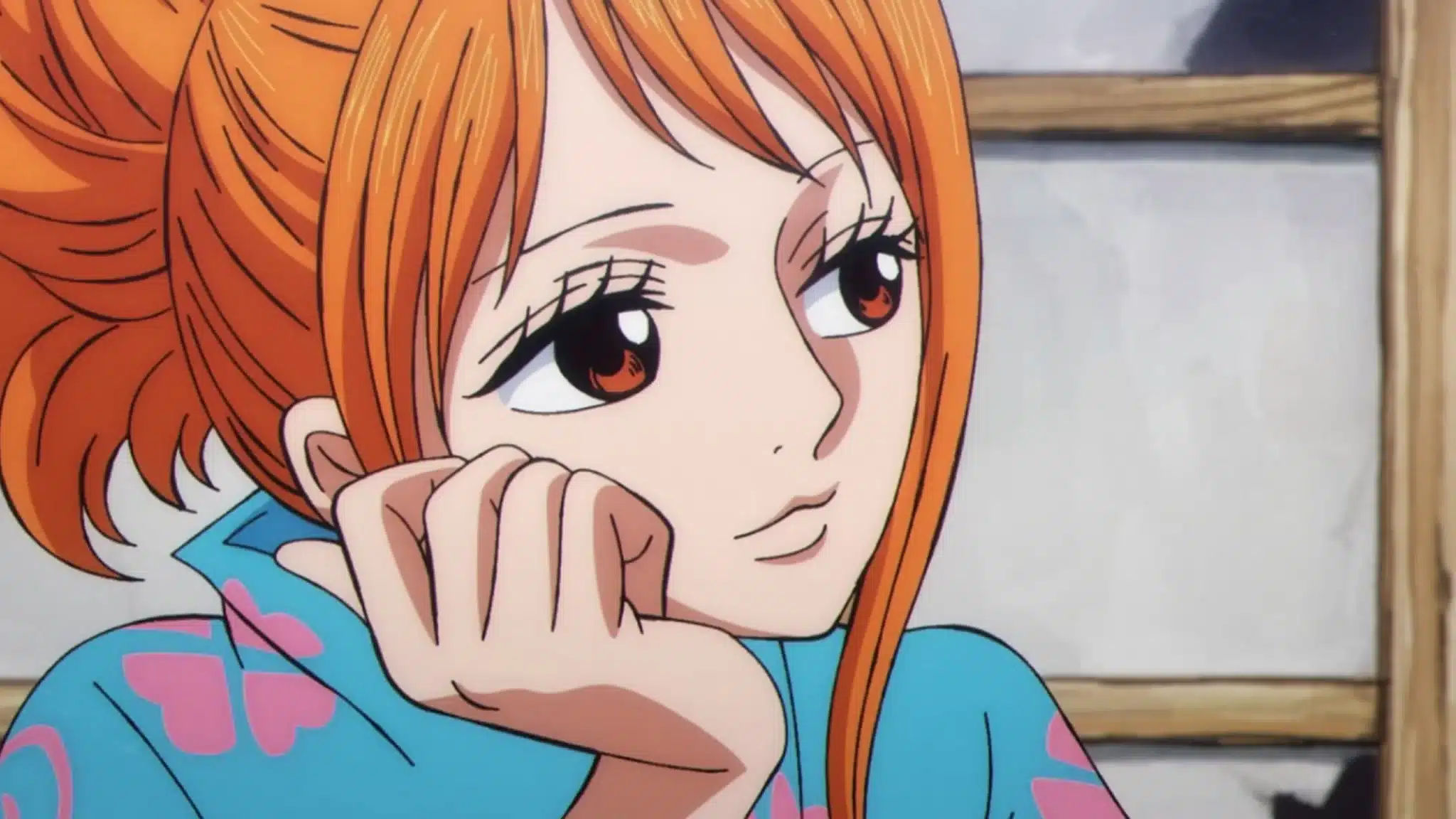
The fandom’s response after the animator’s apology was as immediate as it was revealing.. His sincerity in acknowledging the failure and admitting that both he and the review team overlooked it transformed a simple technical stumble andn a show of trust and transparency. In an environment increasingly marked by automation, that kind of honesty generates closeness and credibility. Paradoxically, the error became a confirmation of humanity. It is evidence that behind each painting there are real artists who work under pressure and with tight deadlines.
A software failure can seem cold and impersonal. Instead, a drawing error It reminds us that art, even in its imperfection, It is still deeply human.
The impossible rhythm behind the mistake
Beyond the debate on artificial intelligence, the so-called “extra finger” reveals a deeper problem in the process of reviewing Japanese animation. The animator himself acknowledged that the error went through all the verification stages. This shows that the quality control system operates at the limit.
Production rhythms in long-lasting Shonen series put a constant pressure on creative teams. Animators must meet weekly deliveries under unsustainable conditions. In that context, the real cause of failures is not AI, but the speed with which the industry forces its artists to work. The challenge is not in technology, but in allowing the human factor to retain the level of detail and dedication that the increasingly demanding public expects to see on the screen.
the verdict
The One Piece animator’s apology not only clarified a misunderstanding, it also restored some confidence to the public that skeptically observed the work of the study. His honesty felt refreshing in an industry where mistakes often hide. However, this episode also leaves an important warning. The arrival of artificial intelligence has raised the level of public scrutiny to an almost unsustainable point. To maintain the trust of audiences, transparency about the use of these tools is no longer an optional gesture, but a need.
On the other side, the fandom must remember that not all failures come from algorithms or automation. In many cases, the cause remains the same as always: the rush, the pressure and the inevitable imperfection of human work.
Do you think that the honesty of an animator is enough to calm the distrust of the public before the use of AI in animation?