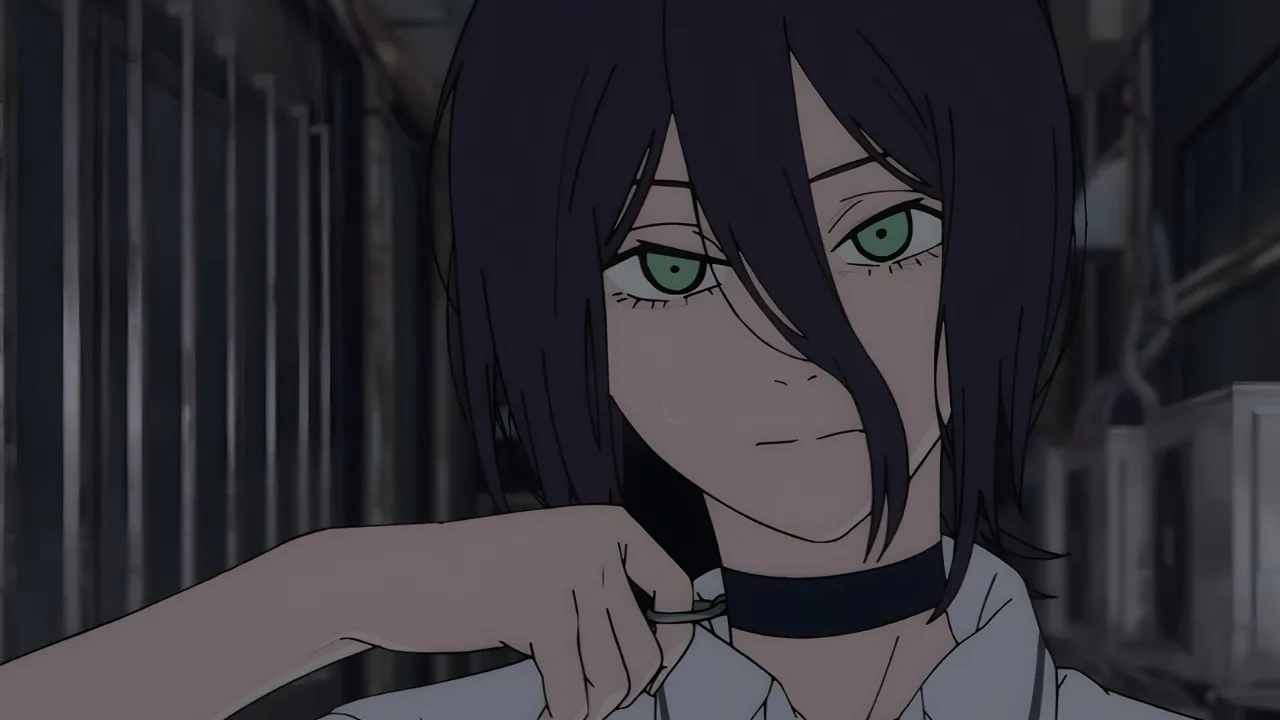
Tatsuki Fujimoto, creator of Chainsaw Man, shared an unusual reflection after seeing the film adaptation of the arc of pray. During a talk with his editor, Shihei Lin, He confessed to having felt bewilderment when he saw himself reacting like another viewer. witnessing the tragedy between Reze and Denji, He thought that Makima He had acted unnecessarily. He was even surprised by wondering why the author did not allow the characters to meet again.
The experience was so intense that, he said, it came to take away his sleep. The moment took a humorous tone when its editor reminded him that he himself had made those narrative decisions when writing the work. The anecdote reveals a temporary disconnection between the Creator and his creation, where Fujimoto manages to distance himself from his role as author To live the story from the chair of the public.
An emotion guided creativity
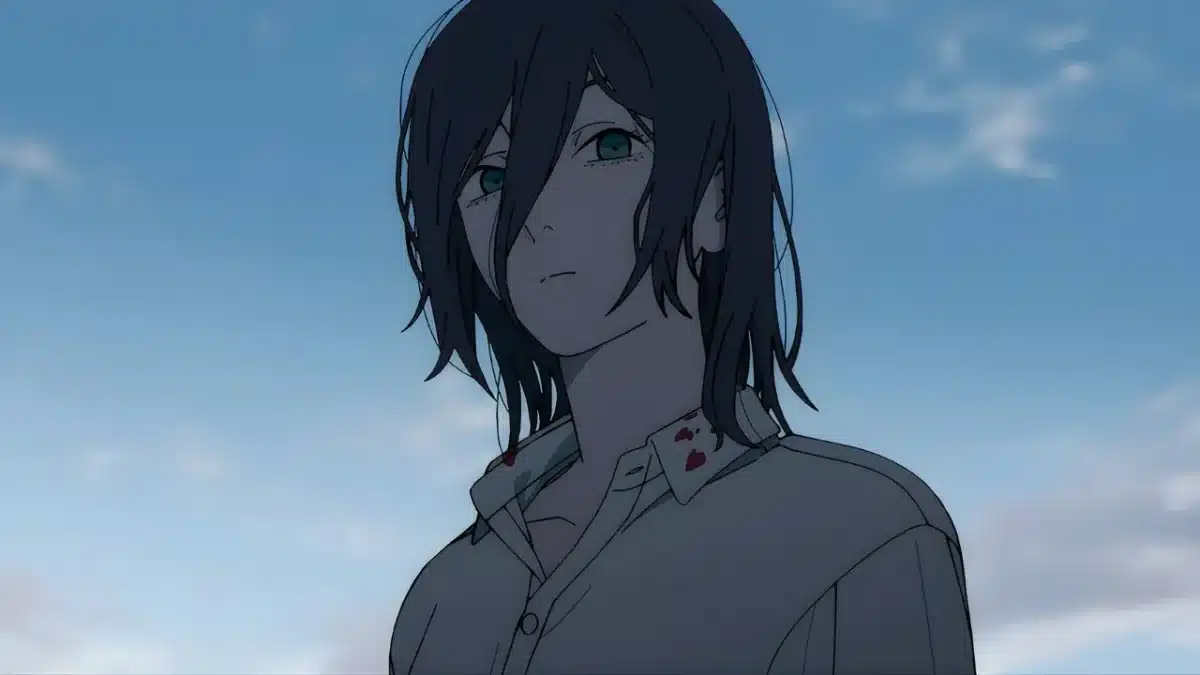
This reaction suggests that Fujimoto It does not build its stories from a strictly rational logic, but from genuine emotional impulses. When facing the film, his sensitivity as a spectator collided with his identity as a creator and generated an authentic response. The fact that he regrets the fate of REZE or question the actions of Makima Confirm that his narrative decisions do not seek to provoke artificially. Instead, they are born from a real emotional implication.
From a creative perspective, it is unusual for an author to wonder what the creator of his own work was thinking. This points to a writing process in which the characters seem to acquire autonomy and the author acts more as a witness than as an absolute controller of the story. That way of working explains why Chainsaw Man It connects with the public so viscerally.
The impact of film adaptation
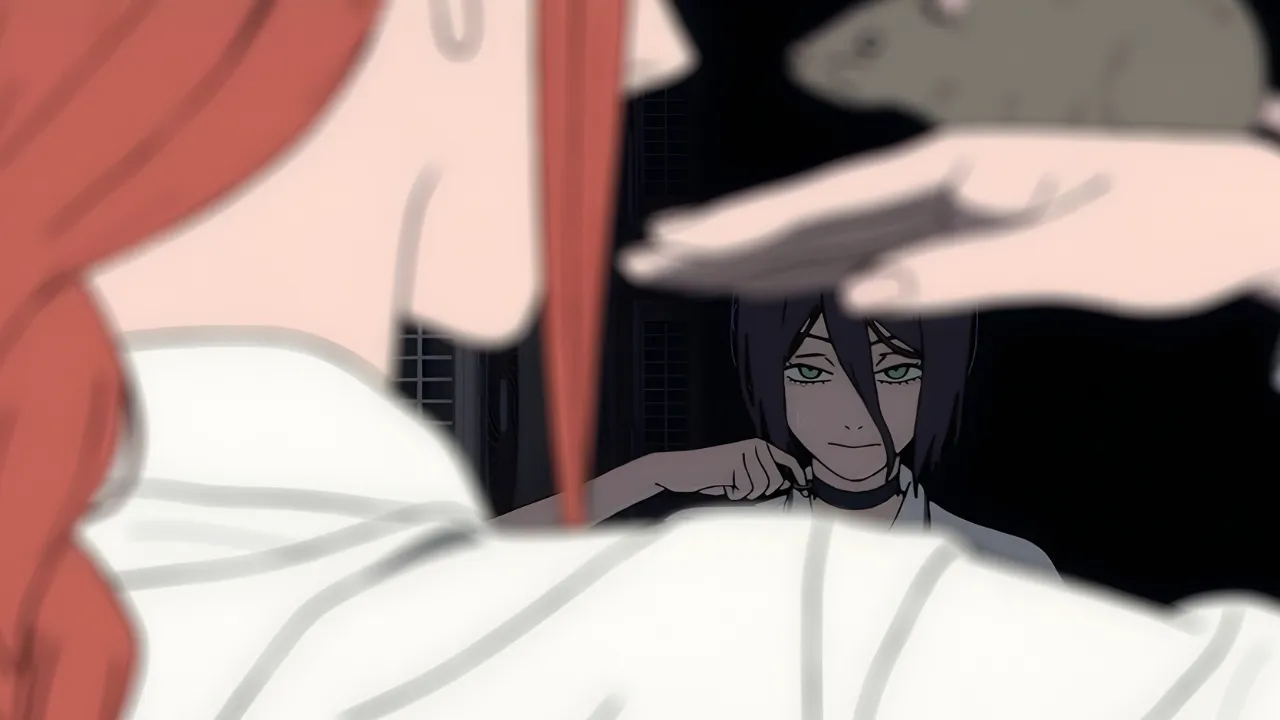
The fact that Fujimoto could not sleep after seeing the film shows the power of the animated adaptation and the work of Mappa. The direction, the rhythm and the staging They recreated the story with a remarkable intensity. At times, even its creator forgot that he knew every outcome. The animation did not limit itself to reproducing the manga, but it bluntly amplified its emotional burden.
the arc film REZE got something unusual: Allow the author to rediscover his own work from an external perspective. To fujimoto, This experience has a special value, as it confirms that the story retains its strength even outside the paper. Being affected by his own story, the creator validates that the emotional impact that marked the readers remains intact and that the adaptation has managed to capture the most painful and humane essence of Chainsaw Man.
the verdict
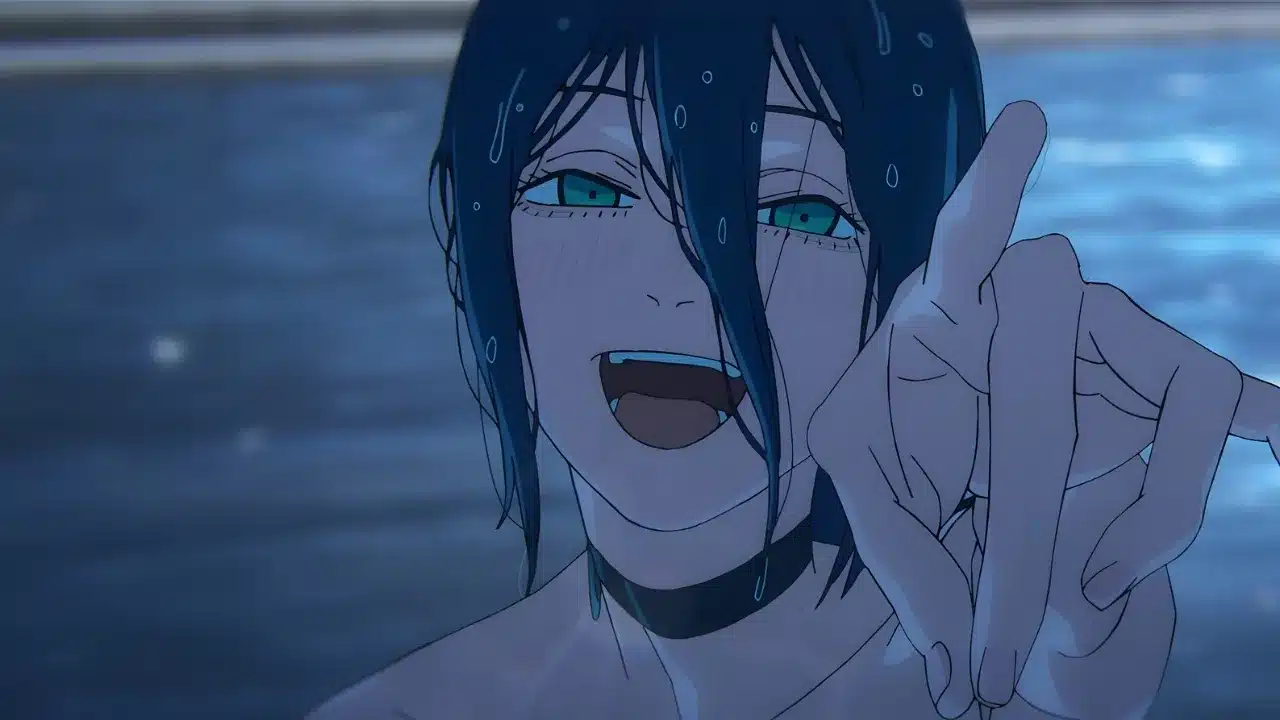
Tatsuki Fujimoto is an author who consumes stories with the same passion with which he creates them. His frustration with Reze’s bow is the greatest compliment the film could receive. It shows that Chainsaw Man is not just a consumer product, but an emotional experience that transcends even its own creator.
It seems fascinating that Fujimoto has the humility to question himself. That ability to feel sorry for his characters, despite being his “executioner”, is what makes his style so human and visceral. Reze’s film not only adapted the manga; He gave Fujimoto the gift of being a fan of his own genius.
Do you think that an author who gets excited or regrets his own scenes writes better stories than one who has everything coldly planned? Leave us your opinion in the comments.