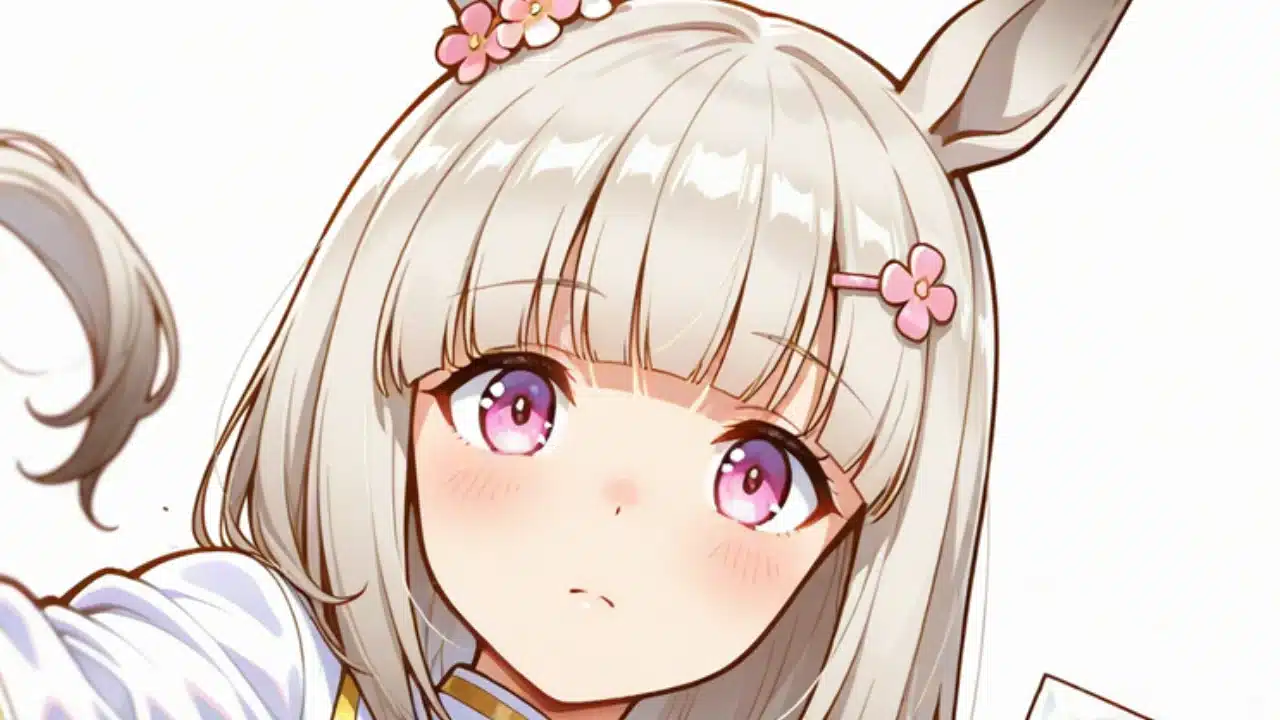
The beginning of 2026 has brought news that seems to come from a script of Anime, but that has occurred on the royal tracks of Japan. Happy Meek, the racing mare named after one of the most beloved characters in Umamusume: Pretty Derby, has started the year with an epic victory. This triumph not only marks its first success since 2024, but it arrives at the perfect moment: January 1, kicking off the “Year of the Horse” with an overcoming narrative that has moved the entire community of followers of the Cygames franchise.
The end of a streak and the weight of victory
#名古屋競馬
— 秋風旬太郎 (@wpq3h39pi73) January 1, 2026
去年の7月から長い休みを明けて
久々にいきなり2026元旦から
出走してきたハッピーミーク
いきなり初戦から勝利!!
2024年12月以来約1年ぶりの勝利!! pic.twitter.com/q1ycNZRT4V
The authority Of this triumph lies in the perseverance of the animal and its team after a difficult period. The race took place at the Nagoya Racecourse, a key scenario within the regional ground racing circuit of Japan. Happy Meek managed to break a full-year, no win streak, this being his first official win since mid-2024.
Although it was a race in a regional circuit and not on the main JRA tracks, the victory is highly significant due to the high level of competition and the recent difficulties that the mare had faced in her last presentations. Achieving this victory precisely New Year’s Day has been interpreted by fans as a positive omen for the rest of the 2026 season.
From a fictional character to a reality on the track
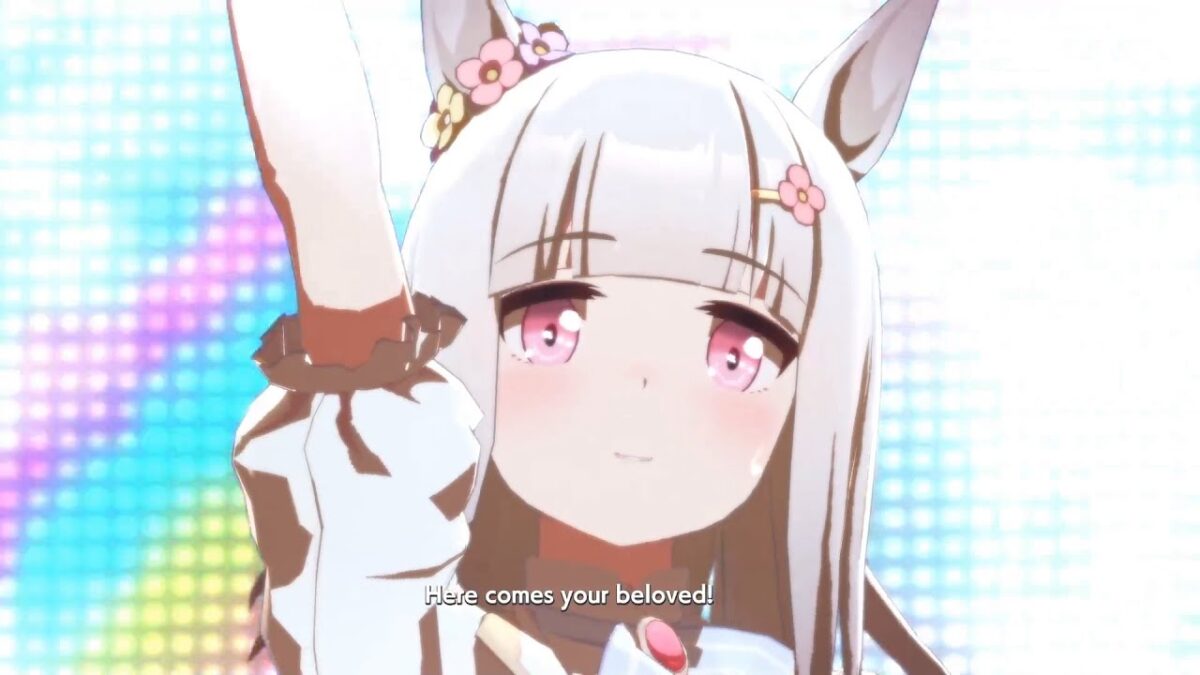
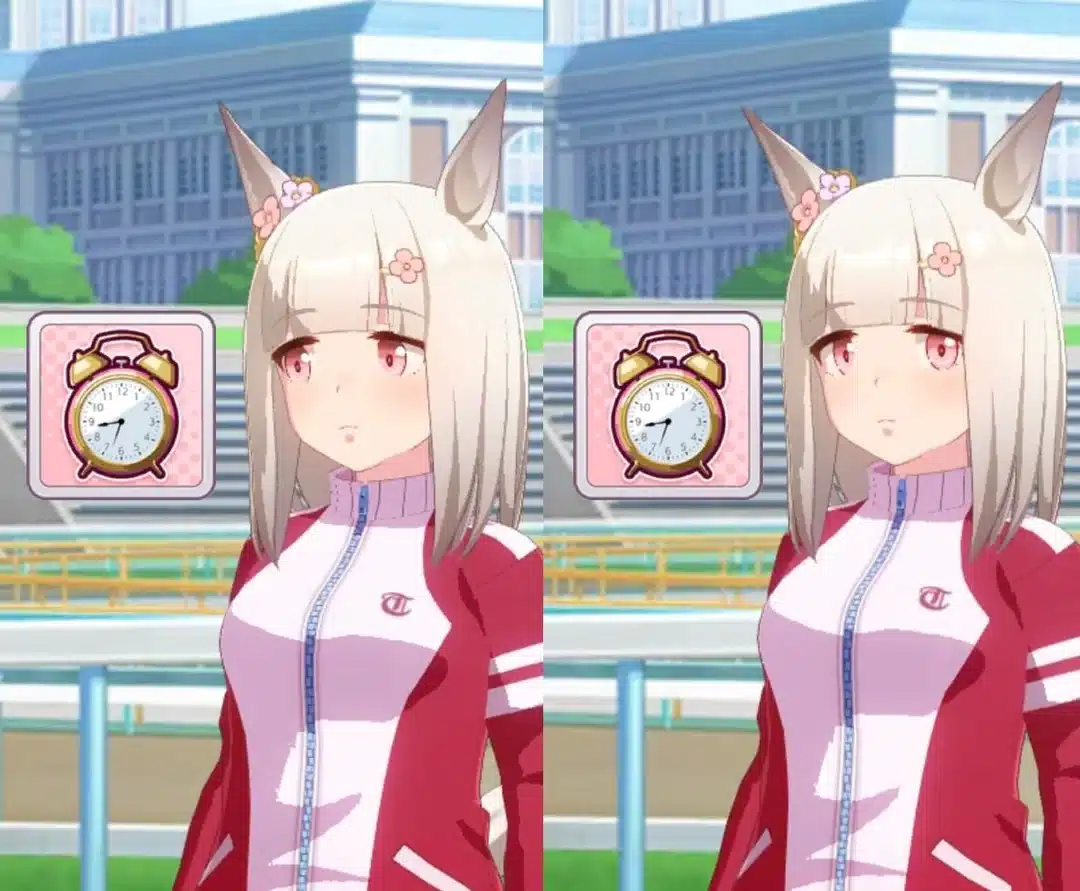
The experience surrounding Happy Meek is unique in the universe of umamusume. Unlike the vast majority of the game’s characters, which are based on historical and legendary race horses (such as Haru Urara or Special Week), Happy Meek has a reverse origin: Cygames originally created Happy Meek as a totally character. Fictional, designed as an “underdog” (disadvantaged) without a real-life counterpart.
In 2022, a fan of the franchise decided to change this by buying a real mare and registering it under the name of Happy Meek, directly inspired by the design and personality of the video game character. This victory reinforces the emotional bond of the players with the real sport, seeing how a name born of fiction competes and triumphs in the real racecourses.
The real impact of the franchise on sport
The reliability of this news is based on the growing trend of umamusume as an economic and social engine for Japanese horse riding. This case is not an isolated event, but part of a greater movement to support sport. the developers of umamusume They have come to sponsor races with prizes of up to 300,000 USD in the United States.
The fan community has demonstrated its commitment by raising more than 600,000 USD to rebuild the stables of the iconic Meisho Doto horse. Stories like Happy Meek show how the culture of Anime It is attracting new generations of spectators and owners to horse racing, injecting enthusiasm and resources into regional circuits.
The “umamusume effect” at its finest
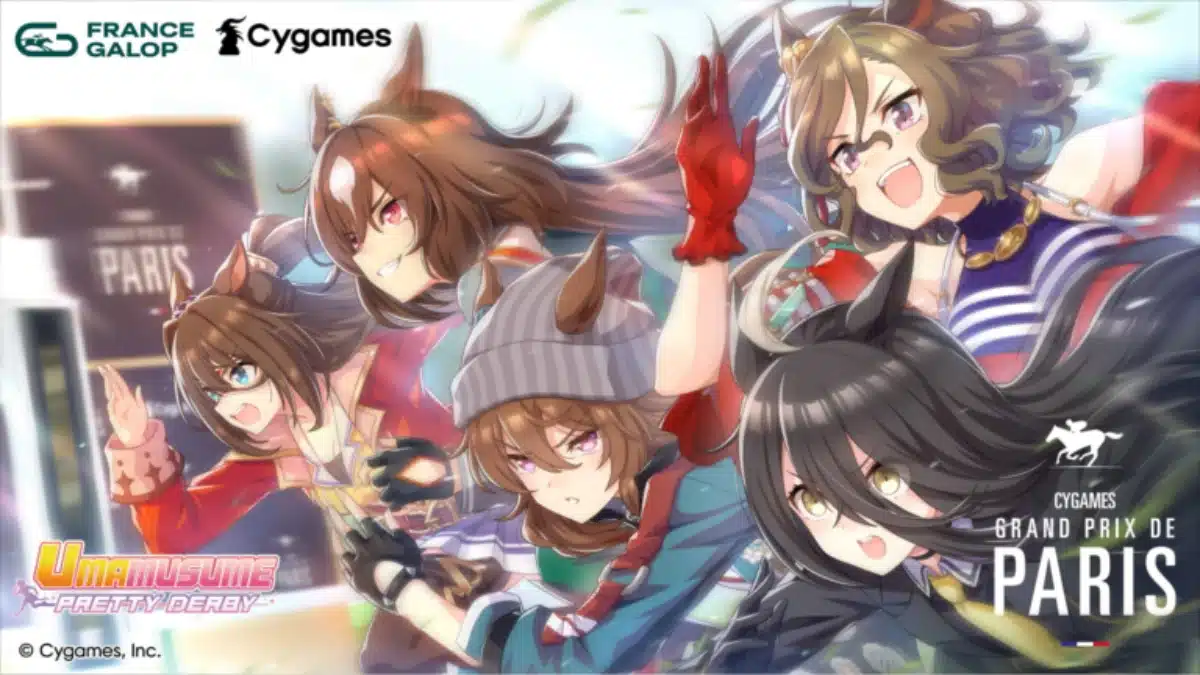
Happy Meek’s victory in Nagoya is the perfect example of how a work of fiction can transcend the screen and generate a positive impact in the real world. Having won on the first day of the horse year is a poetic coincidence that consolidates the mare as a symbol of hope for fans.
This is just the beginning. the impulse that umamusume He’s giving horse racing in Japan is an unprecedented phenomenon. Happy Meek has shown that, with the support of a passionate community, even names that started out as “fictitious characters” can write their own legendary story in the arena. If you manage to keep this rhythm, 2026 could be the year that this mare goes from being an Internet curiosity to a respected competitor in her own right.
Do you think we will see more horse owners name their specimens as characters of umamusume to attract luck? What other fictional character would you like to see debut on a real track? We want to read your opinion in the comments!