
Honkai: Star Rail It came to the market as a proposal that combined a turn-based combat system with an expansive narrative universe, something that in the modern industry does not always receive the prominence it deserves compared to the securities action in real time. To understand how it has managed to attract such a large audience, it is useful to observe how current digital entertainment is built around strategic experiences, something comparable to the attention of traditional games such as the Blackjack, which depend on decisions, calculations and risk management. This comparison does not imply that both types of games are similar, but that users enjoy experiences where tactics and reasoning play a central role.
In this sense, the success of Honkai: Star Rail It lies in the fact that it offers a balanced combination between accessible strategy and tactical depth, which allows players with different levels of experience to enjoy the same content. The narrative, the futuristic world and the aesthetics of the game complement this system, creating a coherent experience that stimulates curiosity and interaction. Throughout the article, we will discuss how these elements connect to explain the growing popularity of a title that continues to expand with new routes, characters, and challenges.
The Honkai universe: Star Rail and its narrative identity
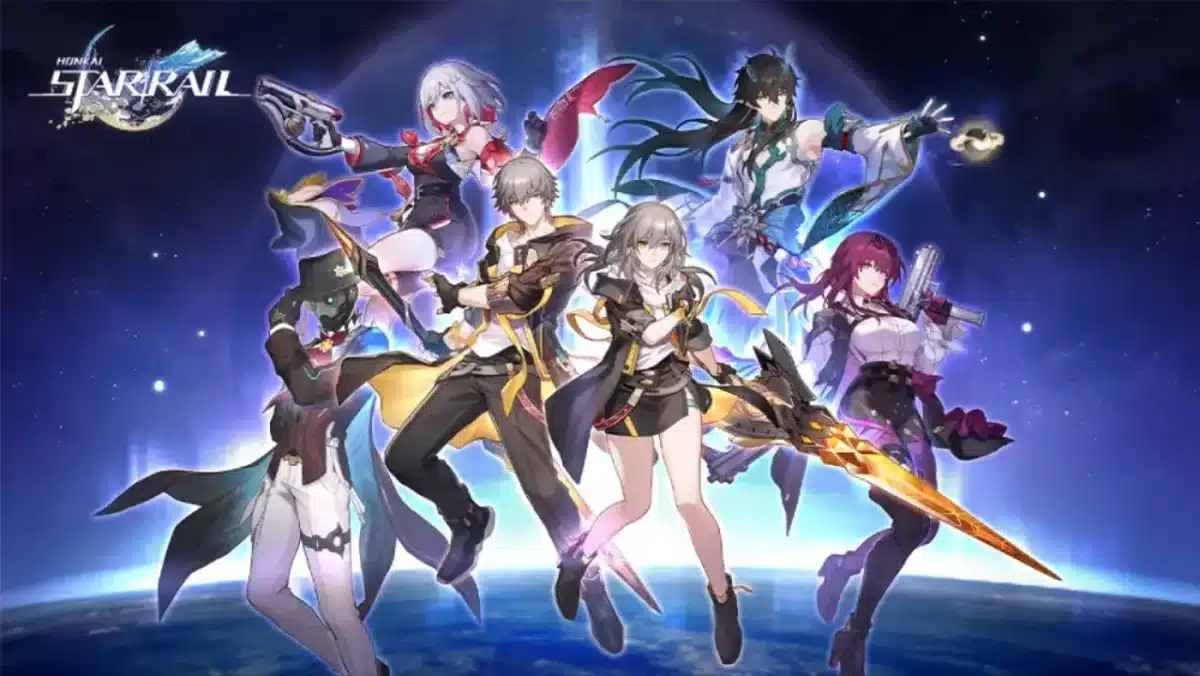
The narrative universe of Honkai: Star Rail It is one of the fundamental pillars that explain its success. Set in a set of worlds interconnected by stellar routes, the game proposes a journey that combines adventure, science fiction and mysticism. The story is built around concepts that explore existence, destiny, and conflict between cosmic forces, which allows each visited planet to represent a culture, a political system and a set of unique problems. This diversity sustains the player’s interest and enhances the feeling of participating in a galactic odyssey.
The use of carefully crafted cinematographic sequences and dialogues contributes to giving life to the characters, who not only participate in combat, but also develop through personal relationships, dilemmas and their own motivations. This narrative construction promotes an emotional bond that goes beyond the mechanics of the game. In addition, the episodic structure, which incorporates periodic updates, keeps the story in constant expansion, reinforcing the commitment of the community.
The narrative also influences the sense of progression. Each discovery, mission and conversation is part of a framework that gives depth to the protagonist’s journey. More than a simple guide to moving forward, the story becomes a motor that invites players to return again and again to explore new layers of the universe.
A general approach to the turn-based combat system
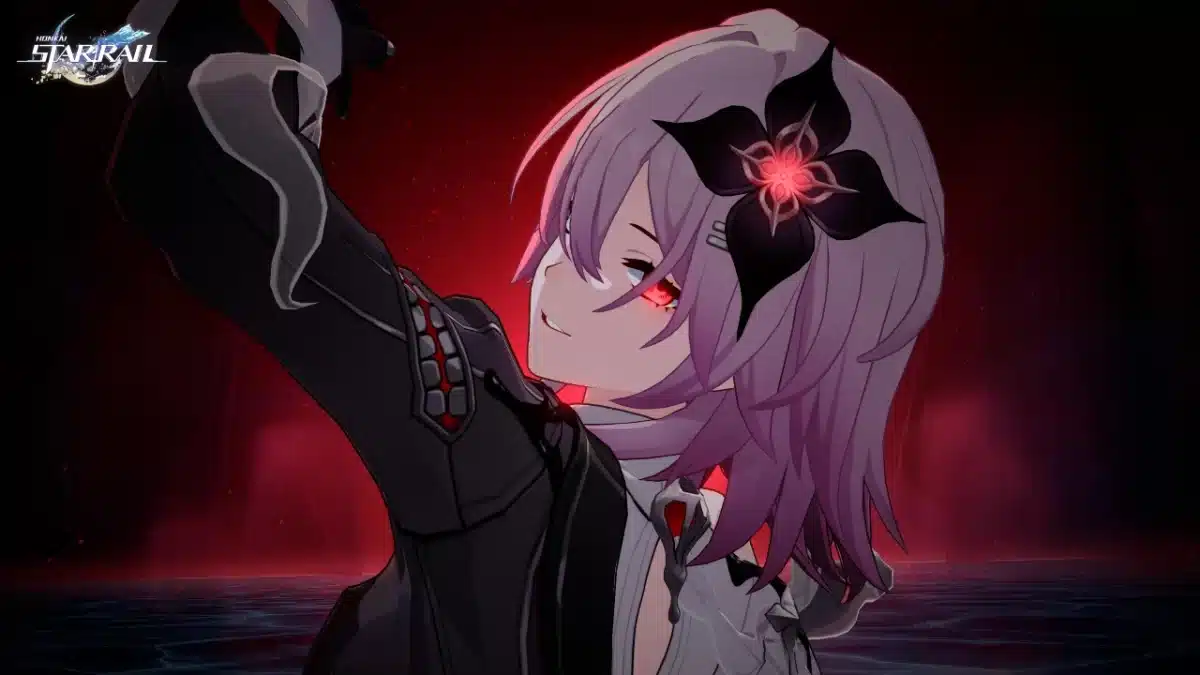
The turn-based combat system Honkai: Star Rail It stands out for its design, accessible but carefully structured. Unlike reflex-based or fast-paced titles, this approach is based on thoughtful decision making. Each turn involves choosing between basic attacks, special abilities, or tactical maneuvers, forcing the player to understand the strengths and weaknesses of both his team and enemies.
Although turn-based combat has a long tradition in role-playing games, Honkai: Star Rail renews it through contemporary mechanics that allow more dynamism. The introduction of action bars, defense breaks and cumulative effects creates a strategic flow where anticipation is essential. In addition, the scenarios amplify the strategy, since many clashes are designed to force the player to change their tactics on the go.
Also, the balance between visual simplicity and functional depth makes the game an understandable experience for beginners and stimulating for veterans. The developers have been able to mix clarity and complexity so that each battle feels satisfactory, calculated and relevant within the overall progress.
Rupture, energy and synergies: the heart of strategy
One of the most valued characteristics of combat is the breaking system. Each enemy has a type of elemental resistance that, when exploited with the right characters, generates an effect that temporarily incapacitates the adversary. This not only adds an obvious tactical layer, but also encourages long-term planning by selecting the appropriate equipment for each mission.
Energy management is equally important. The most powerful skills require careful resource management, forcing the order of actions and team composition to be considered. Character synergy becomes the center of the strategy, as some combinations can maximize damage, apply persistent effects, or protect the team at critical moments.
This design allows each combat to include significant decisions, even in minor clashes. The giocadores feel that each turn contributes to victory, that each character has a relevant function and that mistakes can have real consequences. The constant interaction between breakup, energy and synergies turns each battle into an experience that maintains the right tension and that rewards intelligent planning.
Characters: construction, roles and depth
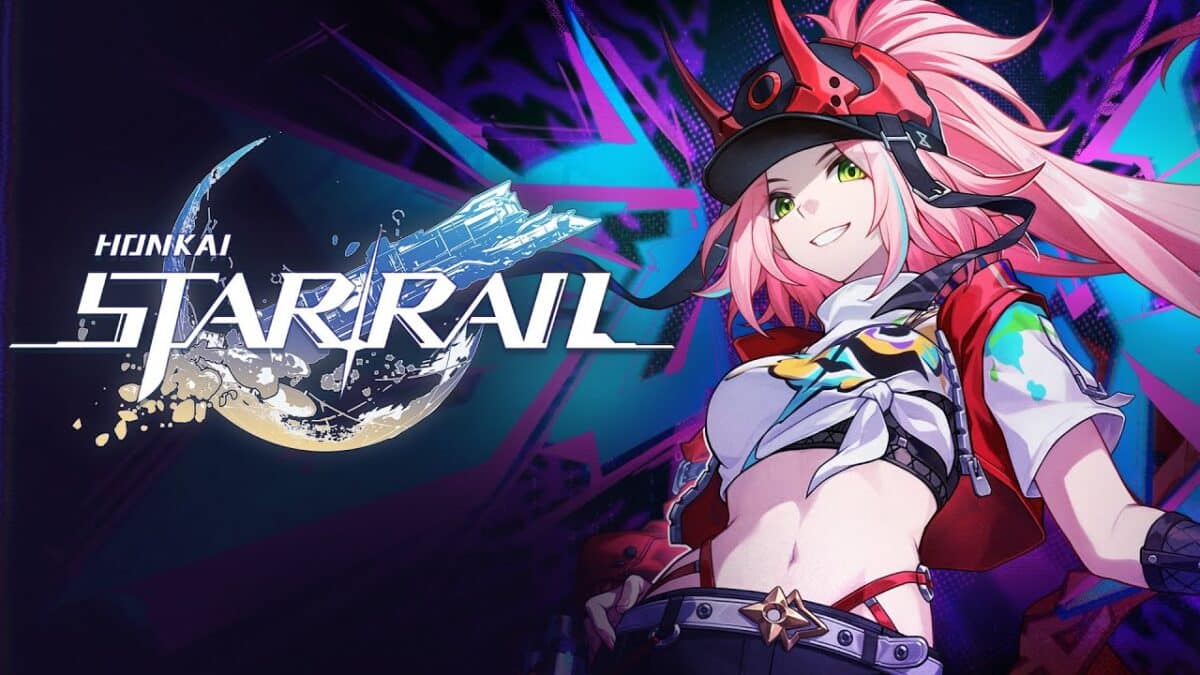
The characters are one of the great attractions of the game. Each has a particular aesthetic, a personal story and a set of skills that define their role within the team. The variety of routes, elements and combat styles allows for an enormous number of configurations, which multiplies the strategic possibilities.
In addition, the narrative development of the characters is directly integrated into their progression. The relationship between skills and personality creates an emotional bond that strengthens the player’s involvement. Every improvement and every special mission reveals details about your past, your motivations, and your relationships with other crew members. This fusion between narrative and strategy is one of the keys to the success of the game.
The depth of the design allows each character to feel unique, not only in aesthetic terms, but also functional. This encourages experimentation and encourages players to tailor their template to content requirements. The balance between variety, coherence and utility ensures that each new character expands the strategic possibilities of the game significantly.
Exploration and design of worlds
Exploration is another of Honkai’s distinctive elements: Star Rail. The worlds are designed to offer a coherent, detail-rich visual experience, with environments that reflect cultures, social systems, and unique energies. This variety provides freshness and supports the feeling of traveling through a vast and constantly evolving universe.
Side missions, dialogues and interactions with the environment complement the narrative design and add depth to the journey. Players find stories that provide historical and emotional context, so that each planet becomes a living space and not a simple scenario. The harmony between exploration and narrative is essential to maintaining long-term interest.
In addition, the architecture of the levels is designed to improve the pace of the game. The maps are extensive enough to invite exploration, but concise enough to avoid a sense of scattering. This combination allows players to enjoy a natural balance between combat, history and discoveries.
Progression, rewards and feeling of growth
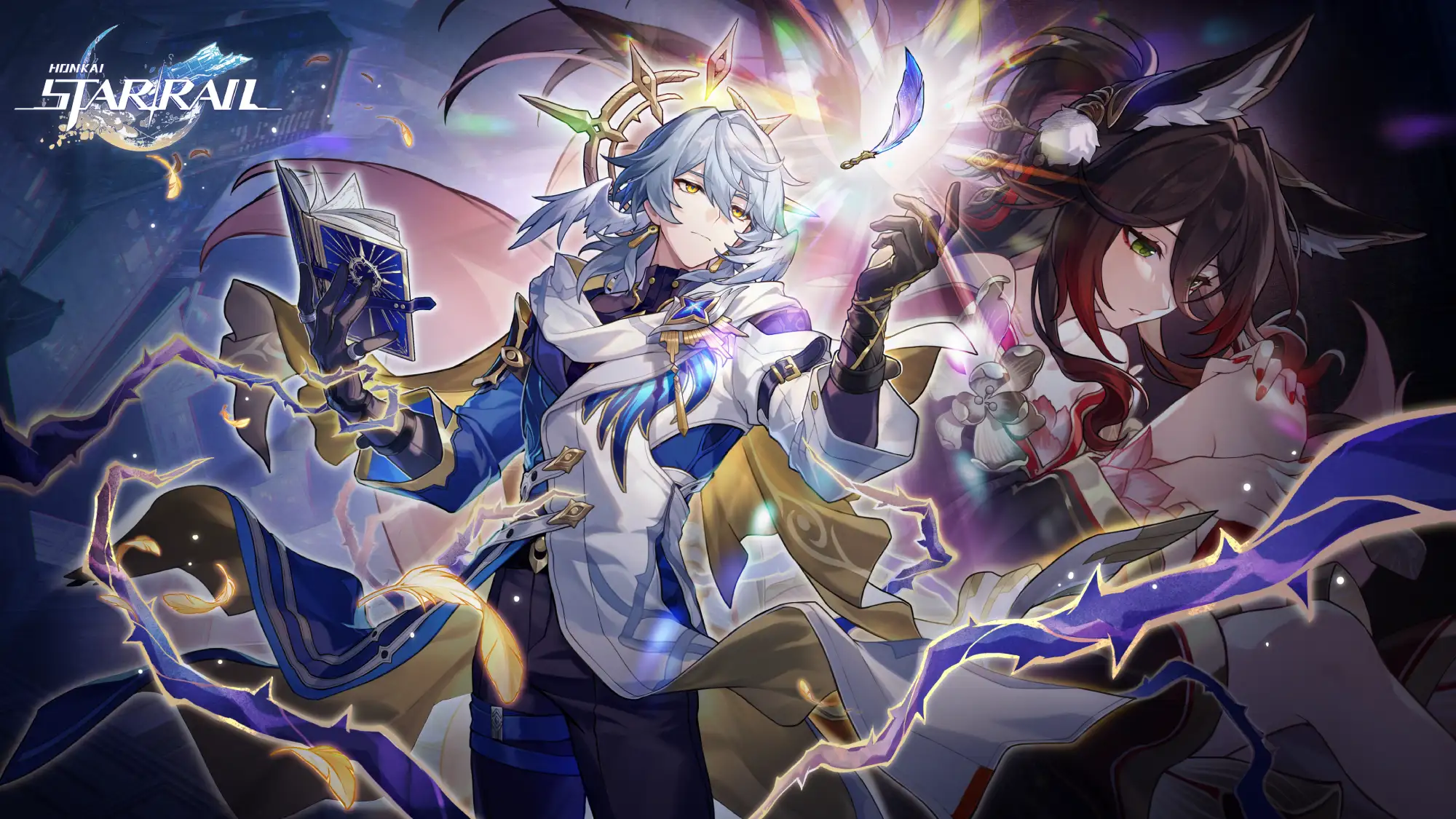
The progression in Honkai: Star Rail is carefully organized to generate the constant feeling of advancement. Players gain resources to upgrade weapons, abilities, and stats, which directly influences their performance within combat. The progress curve is designed so that each improvement feels significant without being overwhelming.
The game incorporates daily missions, temporary events, and periodic challenges that provide valuable rewards. This model encourages continuous participation and maintains a constant flow of content. However, beyond the incentives, what really drives the progression is the player’s sense of personal growth within the game’s universe.
Each extension, whether through updates or new narrative routes, introduces characters and mechanics that refresh the experience. This continuity turns progression into a dynamic cycle that maintains interest without resorting to repetitive or monotonous structures, which has been one of the reasons why the game retains an active and expanding community.
Visual style, animation and artistic direction
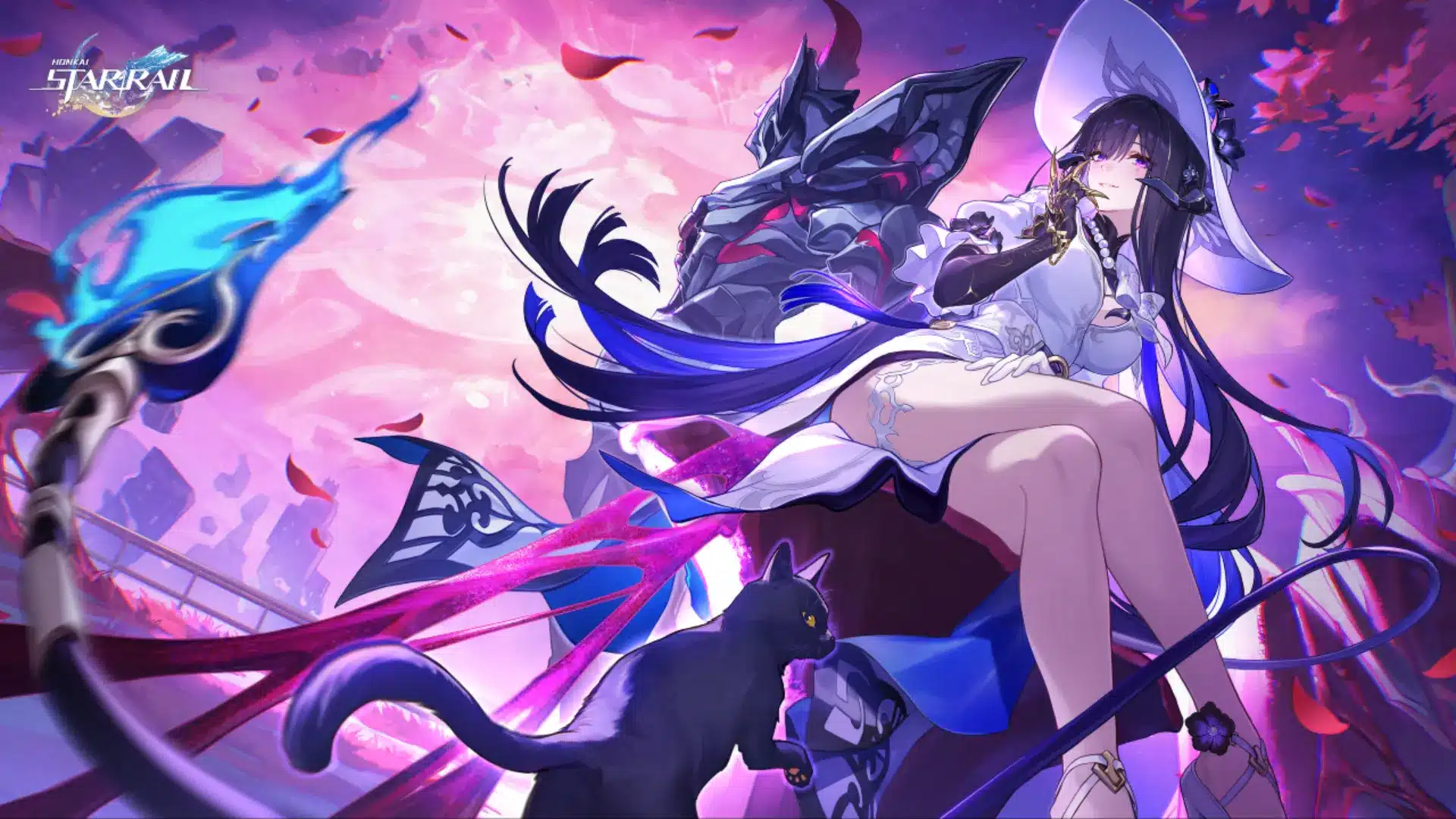
The visual appeal of Honkai: Star Rail is one of the most contributing factors to its popularity. The combination of anime aesthetic with a futuristic and clean style creates an immediate and recognizable visual identity. Vibrant colors, details on clothes, and fluid animations make each character stand out in a memorable way. The artistic direction focuses on transmitting emotion, energy and dynamism, reinforcing both narrative and combat.
Special attack sequences and breakout animations offer spectacular moments that intensify each battle. This cinematic style not only embellishes the game, but also helps to generate an emotional connection with the characters and the story. The aesthetic coherence between worlds, creatures and visual effects creates a homogeneous and credible universe.
Art direction is not limited to superficial appearance. Each element is designed to communicate specific sensations. The colors, lights and textures support the emotional tone of each scene, helping to make the global experience more immersive.
Music and sound design: emotional depth
The Honkai: Star Rail soundtrack plays a fundamental role in its identity. Each planet, area and event is accompanied by compositions that combine electronic, orchestral and atmospheric elements, which creates a sophisticated soundscape that reinforces narrative and setting. The music changes subtly depending on the status of the mission, intensifying or relaxing the rhythm according to the needs of the moment.
Sound design during combat plays a crucial role. Sound effects convey impact, energy, and tactical clarity, allowing the player’s decisions to feel more relevant. From the breaking of an elemental barrier to the sound of ultimate abilities, each element is calibrated to enhance the sensory experience.
The combination of music and narrative creates an emotional atmosphere that guides the player during his journey. It is not just about accompanying the action, but about creating an intimate link between the player and the universe of the game, making each scene and each battle resonate with dramatic force.
Community, updates and continuous expansion
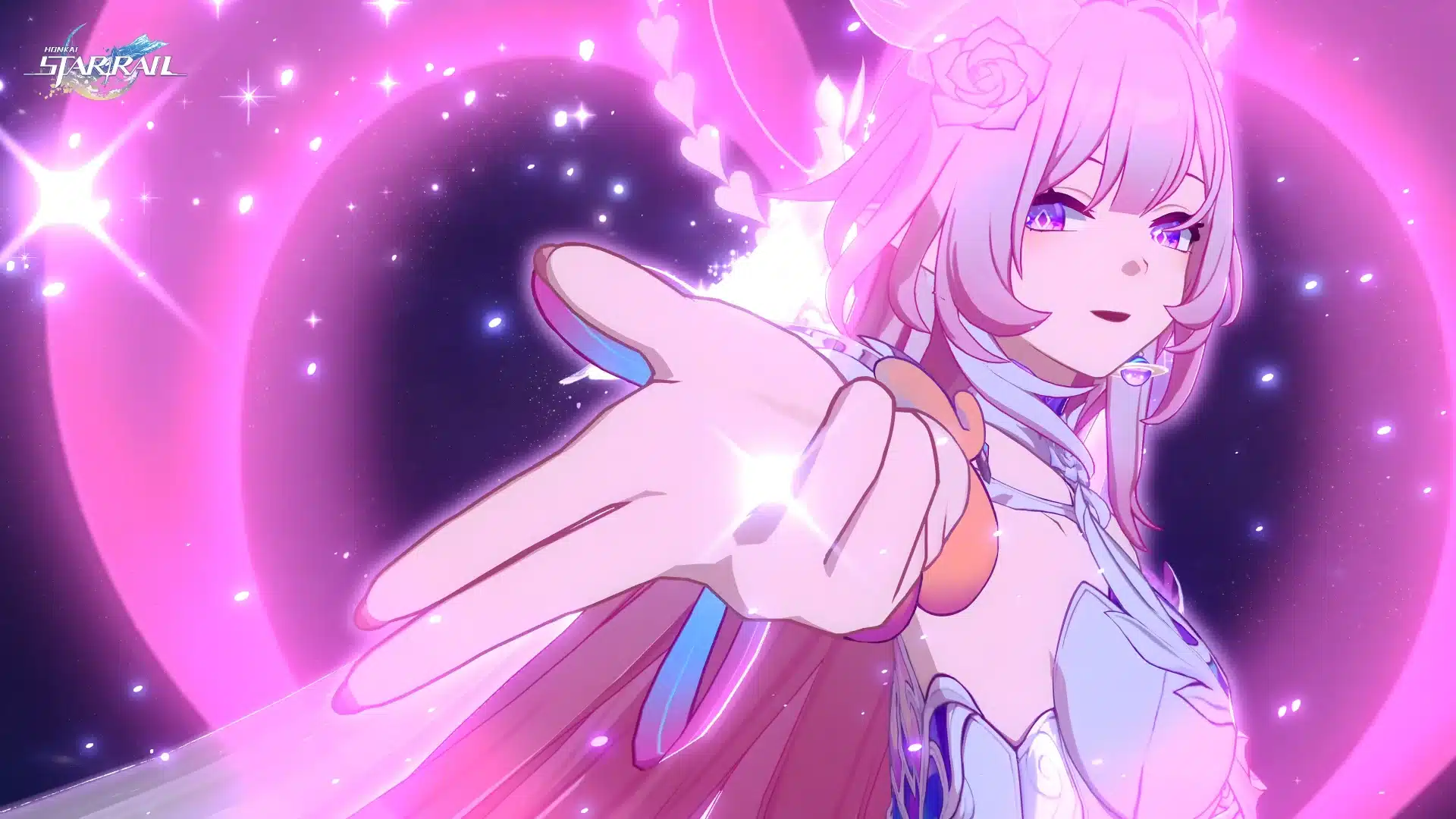
The community is one of the main engines of the popularity of the game. Through social networks, forums and content creators, players share strategies, narrative theories and character analysis. This constant interaction amplifies the collective interest and creates a feeling of belonging that strengthens the longevity of the game.
Developers maintain a pace of updates that introduces new characters, events, and narrative chapters on a regular basis. This continuous expansion keeps the game fresh and demonstrates a clear commitment to the community. The combination of new content and mechanics optimization ensures that the game evolves without losing its essence.
Open dialogue between players and developers also contributes to organic development. Community suggestions, criticisms and views influence future design decisions. This creates a dynamic in which the game not only expands, but also adapts to the expectations of its users.
Conclusion: A solid combat system and an experience that transcends
HONKAI: Star Rail has managed to consolidate itself as one of the most influential games thanks to a combination of strategic design, enveloping narrative and high-level artistic direction. Its turn-based combat system offers depth and accessibility, allowing novice and experienced players to enjoy a balanced and interesting experience. The variety of characters, worlds, and missions adds extra layers that enrich the game’s universe.
The popularity of Honkai: Star Rail is not the result of a single element, but of the balance between its narrative, tactical and aesthetic components. Attention to detail, technical quality and commitment to the community are factors that have allowed the game to maintain a solid presence in the market and continue to grow with each update.
Ultimately, Honkai: Star Rail stands out because it offers more than just fighting: it provides an emotional, visual and strategic journey that invites you to explore and reflect. Its success confirms that games that combine narrative depth with well-designed systems continue to have a privileged place in the interactive entertainment industry.