

The renowned Brazilian cosplayer Lucas Amorim expressed his frustration after not obtaining the role of Portgas D. Ace in adaptation live action of one piece from Netflix. For two years, Amorim He promoted a campaign on networks that attracted the attention of thousands of fans, who highlighted his physical resemblance and his passion for the character as reasons to consider him the best option. The controversy arose just as Netflix confirmed that Xolo Maridueña He will play the long-awaited character in the third season.
Why has this case resonated so much in the community beyond a simple casting? The story of Amorim, who confessed that he did not even get an audition despite his enormous effort, has struck a sensitive fiber. His situation exposes the difficulties of the selection process and the true barriers that talent faces outside of traditional channels. We analyze it.
The disagreement between the passion and the machinery of Hollywood
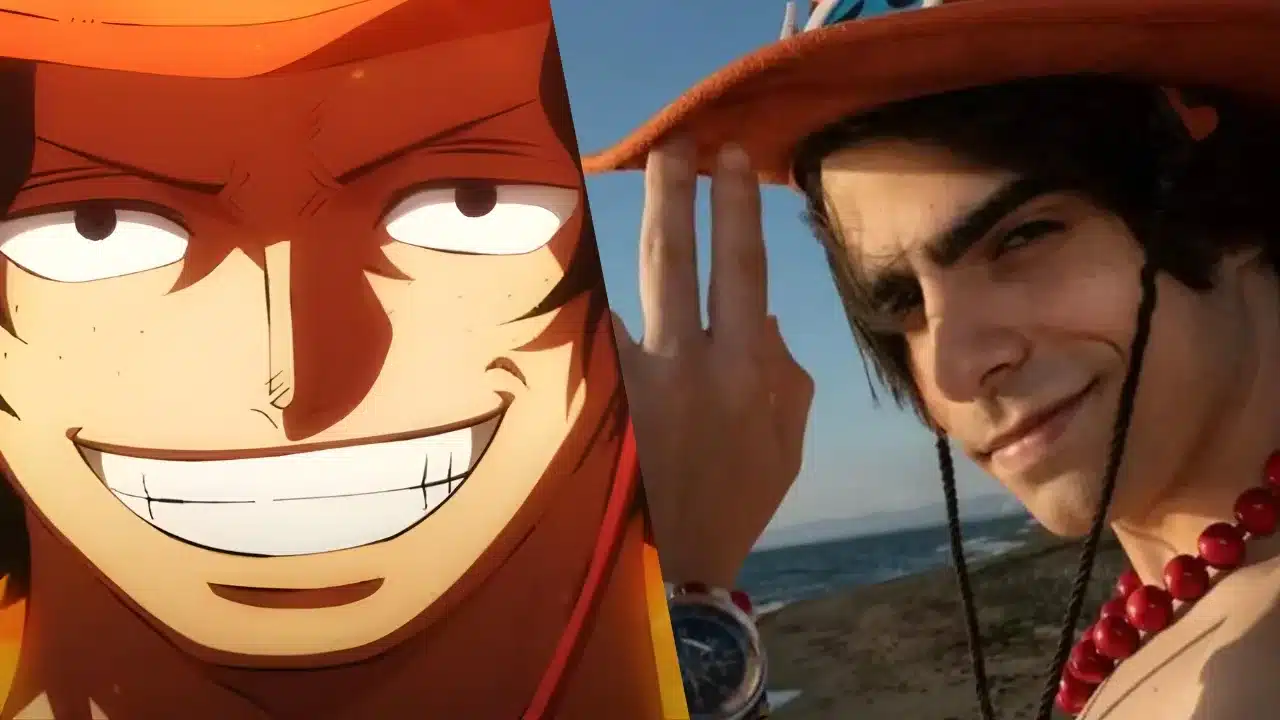
This is the emotional core of the case. the story of Lucas Amorim It exposes a deep disconnect between what the fandom values and how the industry actually operates. For fans, dedication, physical training, character resemblance, or even learning the Japanese language are symbols of respect and authenticity. For Hollywood, on the other hand, Casting is a cold logistics equation, contracts and market.
The Amorim case shows that visible effort does not always open doors. His campaign, which gathered global support for two years, was not enough to guarantee him an audition. It is a modern narrative “David vs. Goliath” Where Goliath, the industry, didn’t even show up to the fight. And that reveals an awkward truth: The passion of the fan can generate community, but it does not always translate into opportunity within the corporate system of entertainment.
The public campaign: impulse or sentence?
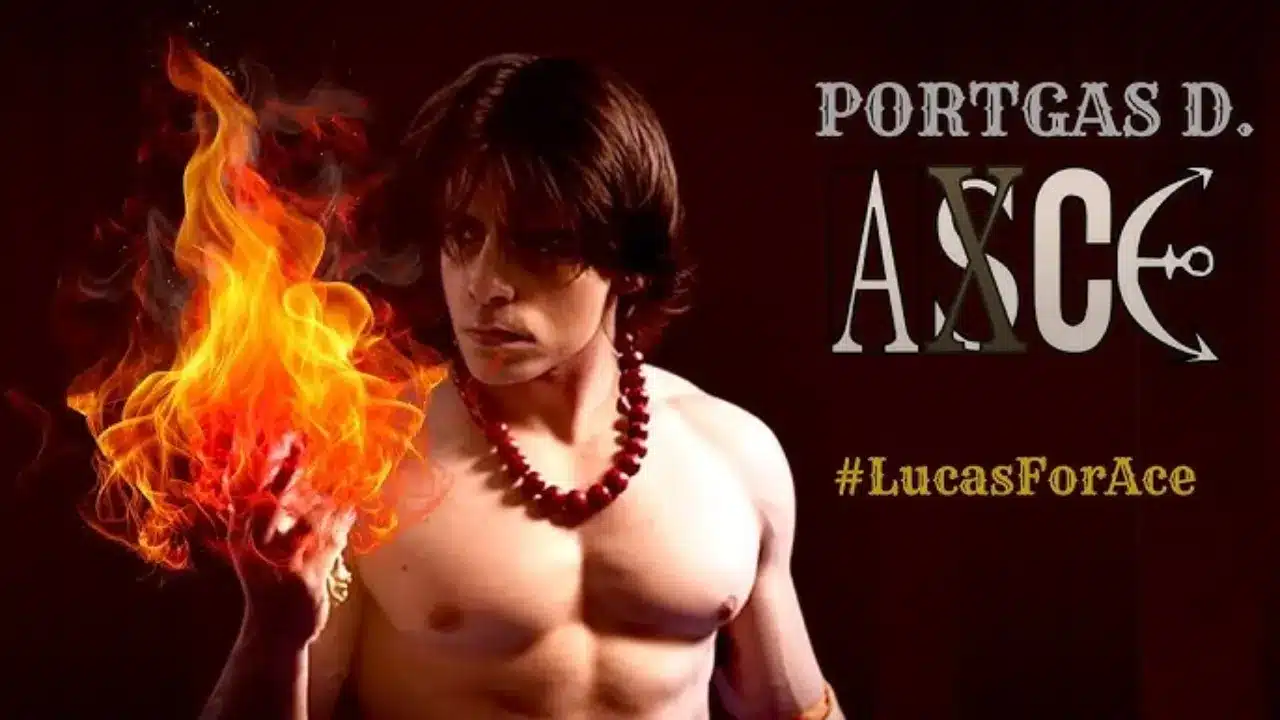
the campaign #lucasforace gave to Lucas Amorim A global exhibition, but he was also able to play against him. In Hollywood, producers often distrust the fan-casting, since they prefer to control their creative decisions and discover talent on their own. His public insistence, although genuine, could be seen as a pressure towards the casting team, transforming his effort into an obstacle within a system that does not tolerate control of his narrative.
Representation yes, but with invisible borders
the choice of Xolo Maridueña It marks an important advance for the Latin representation in Hollywood, but the frustration of Lucas Amorim reveals an awkward truth. It is not enough to share cultural roots if access is still limited by geography. Amorim, from Brazil, embodies the talent that is left out of the radar for not being within the American system. His case shows that inclusion still depends more on the location than on the origin, and that real diversity requires opening doors beyond Los Angeles.

The verdict: a successful casting, a questionable process
In conclusion, the case of Lucas Amorim reveals the gap between a fan’s passion and the rigid structure of the industry. His enthusiasm faced a system that, although it promotes inclusion, continues to privilege certain circles. Even so, the choice of Xolo Maridueña represents a solid decision that combines talent, charisma and genuine connection with the public.
The real problem is not in who got the role, but in who never had the chance to try. Amorim’s story reflects a delivery that deserved, at least, to be heard in an audition room. Denying that possibility, after two years of effort and visibility, not only turns off an individual aspiration, but also shows how the industry still closes its doors to authentic passions that could bring freshness and humanity to its stories.
Do you think that the industry should have mechanisms to assess this type of campaign, or does the end result justify the process? Leave us your opinion in the comments.