The campaign Stop Killing Games It has exceeded one million firms in its crusade to preserve video games against the imminent advance of the digital model. However, there is still nothing gained. The citizen initiative, headed by the creator Ross Scott, reached this important milestone yesterday, July 3. Thus, it became one of the most outstanding requests in the history of gaming. However, the technical and legal challenges threaten to hinder the process.
A million… of valid signatures?
Although the movement initially celebrated the figure, Ross Scott warned that the Stop Killing Games campaign could face problems. This could happen if many of the signatures are not valid due to errors in filling or impersonation attempts. “This is not a change.org form. This is a government process. Falsifying signatures is a crime,” Scott emphasized in a recent video. In addition, he pointed out that the European Commission will verify each signature and could send the suspicious cases to Europol or Interpol.
Therefore, the goal is now ambitious: 1.4 million signatures before July 31, to compensate for invalid records. This will ensure compliance with the legal threshold required for the initiative to advance formally in the European Union.

Stop Killing Games: A response to the disappearance of games
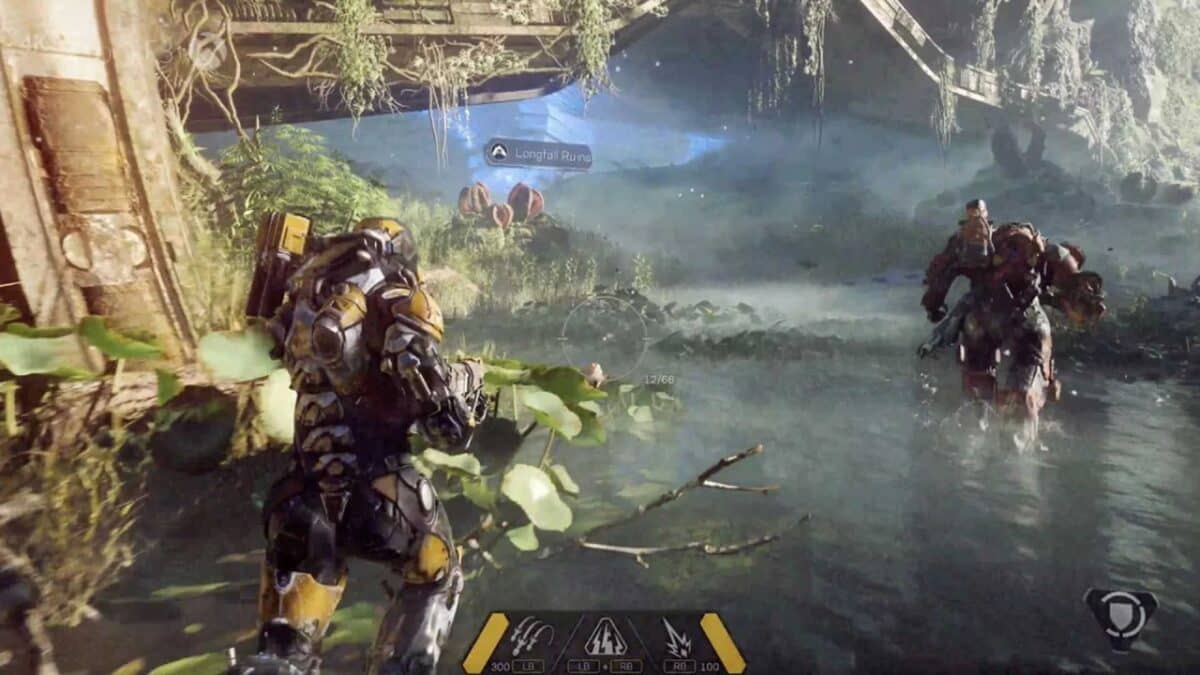
Stop Killing Games was born in April 2024 after Ubisoft’s announcement to close The Crew, its popular racing game. Since then, the cause has gained strength as an effort to guarantee. Thus, both multiplayer and single player titles —Anthem, , Death Stranding, , Dark Souls, among others—may remain playable even if the official servers are turned off or companies withdraw their support.
The goal is clear: Preserve the work of developers and protect the right of consumers to access games they have already bought, as Stop Killing Games puts it.
The recent momentum came thanks to the support of great content creators such as JacksepticEye, Cr1tikal and Ludwig. They spread the campaign after Scott posted a video titled “The End of Stop Killing Games”, where he regretted the lack of support. Since then, the signing of new people has grown exponentially. This revitalized the movement just when it seemed doomed to disappear.
What will happen if they achieve the 1.4 million signatures?
If this is achieved, the European Commission would be obliged to consider legislation that Ensure conservation rights and digital property for video games, a posture that Stop Killing Games has promoted arduously. For Scott and his followers, this would mean a structural change in the way the industry deals with digital games. They would go from an ephemeral model to one where buying a game means being able to play it, always.
For more information or sign the open petition, you can click here.
“If we manage to cross the threshold of signatures, there is a very good possibility that the European Commission will approve a law that protects the rights of consumers and strengthens the preservation of video games,” Scott declared on the official website of the movement.