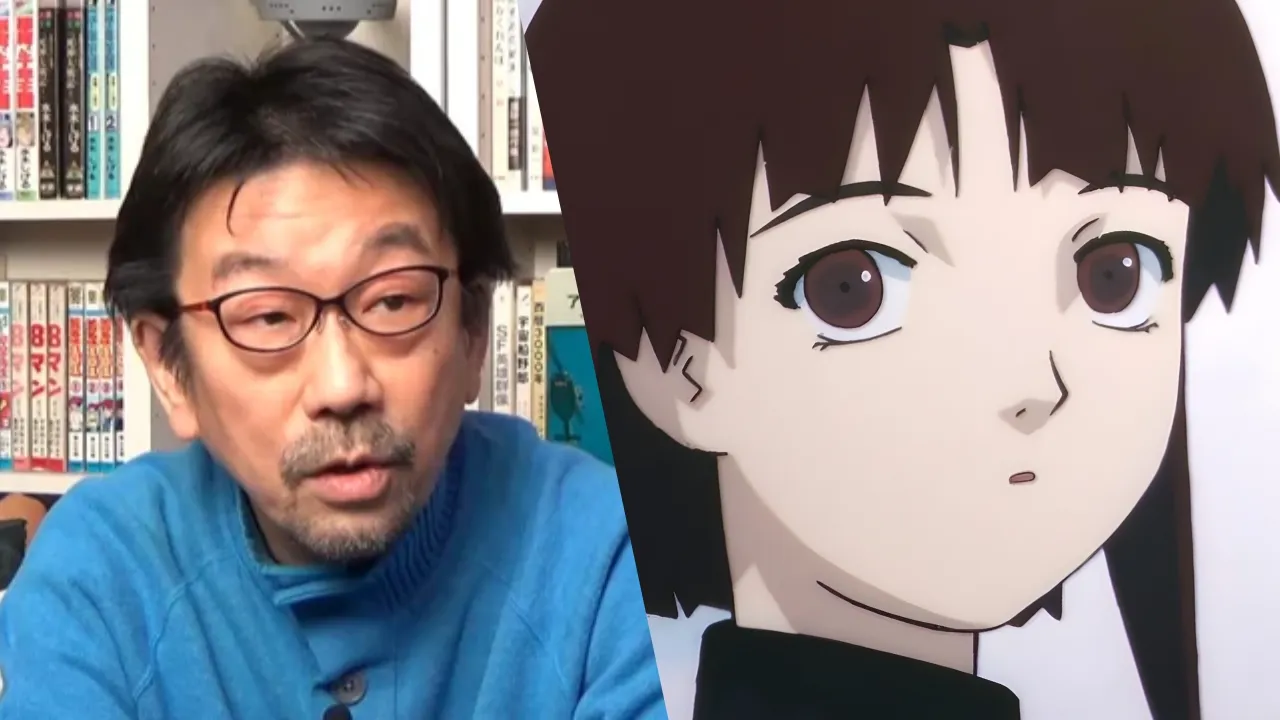
The Japanese producer Taro Maki revived the debate on the creative direction of the Anime. The public recognizes it for works such as Tokyo Godfathers, Millennium Actress and Serial Experiments Lain. Maki He maintains that the industry depends more and more on money. This logic explains that almost 90 percent of current productions adapt manga, novels or video games. According to the producer, Corporate mindset avoids risks and prioritizes not making mistakes. Therefore, the studies bet only on properties already tested.
This panorama reveals a disturbing paradox: while the anime market exceeds 21 billion dollars, Its economic growth seems to go hand in hand with a loss of creative depth. From the warning of Taro Maki, We analyze how risk aversion and dependence on safe formulas are making the industry more superficial, and why this trend could compromise the anime’s long-term vitality.
The financial security trap in the anime
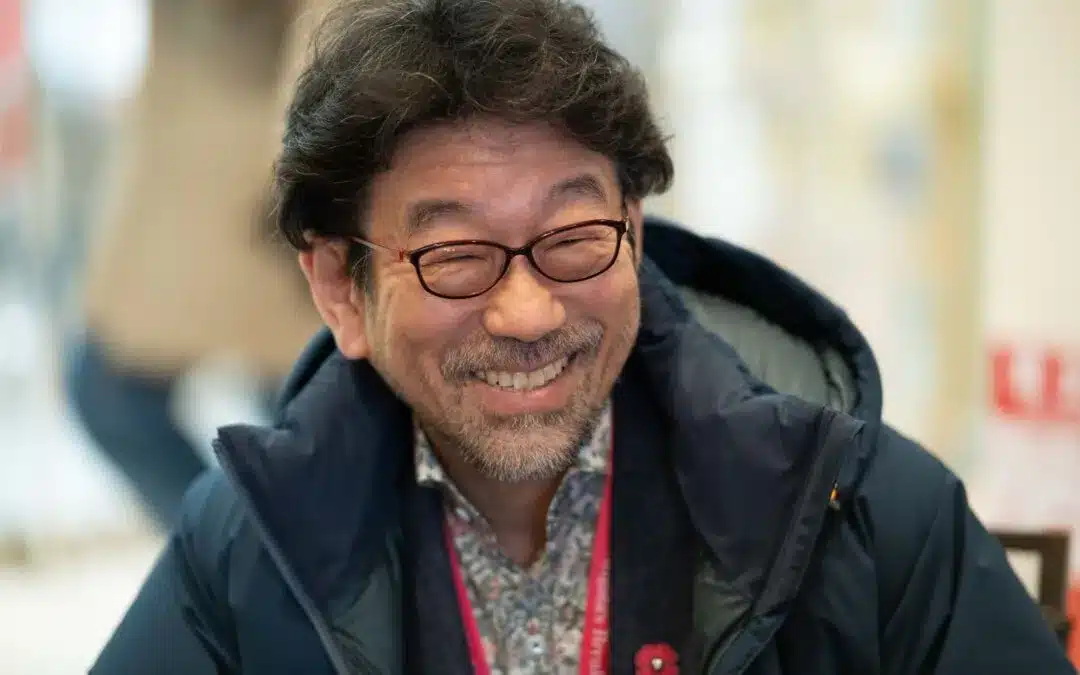
This corporate approach places financial security above the creative vision. Betting on a successful adaptation guarantees a previous fan base and reduces the risk of losses. Therefore, it becomes the most comfortable option for producers and committees. In contrast, the original projects require time, investment and patience. In addition, they do not offer clear return promises, which discourages their development. The result is a system that punishes error and promotes creative self-censorship. This limits the appearance of truly new ideas. Thus, the industry runs the risk of closing the road to works that, as Evangelion or Attack on Titan, They were born from risky visions and not from proven formulas.
Within the creative economy, the lack of support for new talents and experimental projects is a clear sign of this imbalance. The growth of the market, valued at more than 21 billion dollars, is increasingly sustained in the exploitation of known properties, instead of betting on an innovation that guarantees the evolution and relevance of the anime in the long term.
Originality as the engine of the future of anime
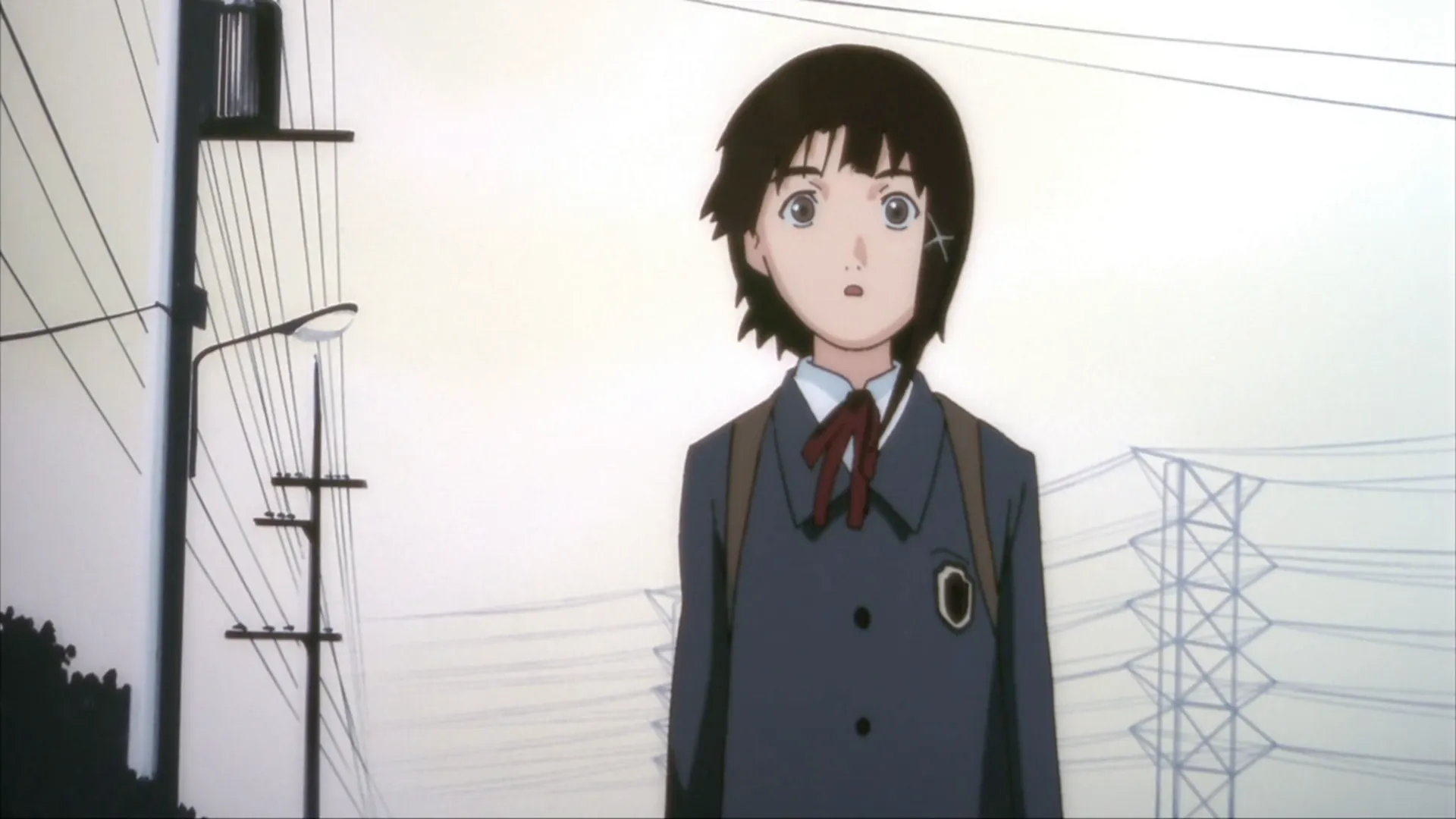
Originality is the long-term source of influence of any creative medium. The original animes not only tell new stories, but transform into the intellectual properties that define generations and open unpublished narrative paths. If the vast majority of production is limited to adapting existing works, The industry runs the risk of stagnating and not generating the ideas that will mark the next decade. Anime could become an ecosystem that recycles other people’s successes instead of creating their own, gradually eroding the perception of value of the public.
the warning of Taro MakI Connect with the concern of many veteran creators. They experienced an era of strong experimentation with titles such as Akira, Ghost in the Shell or Evangelion. For these authors, the problem is not the existence of adaptations. The real risk appears when the balance is almost entirely inclined towards the safe. This prioritizes volume and immediate profitability. In addition, it leaves in the background the creative audacity that turned the anime into an influential medium at a global level.
the verdict
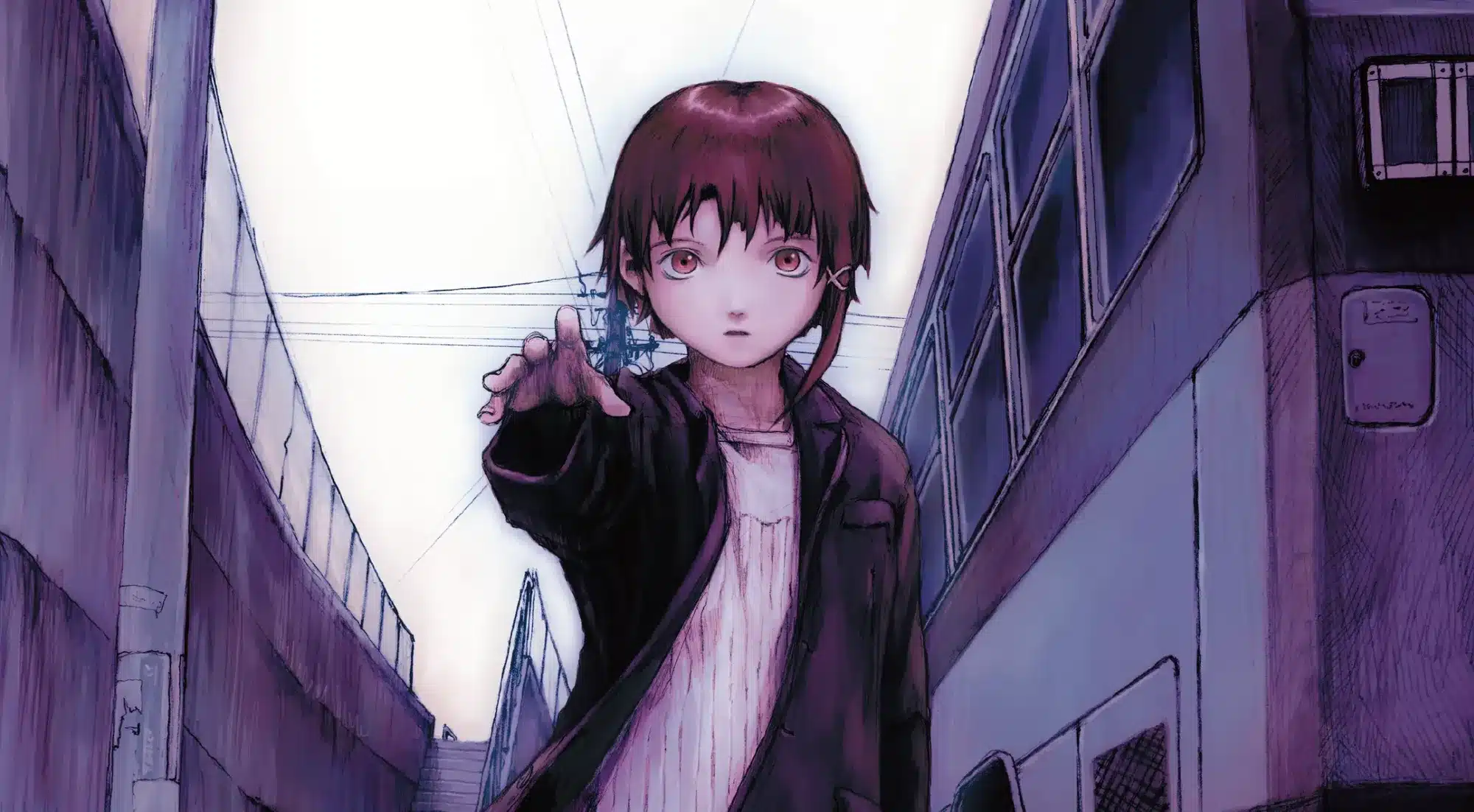
Taro Maki’s warning is a wake-up call. The anime’s record financial growth comes with a cost: the suffocation of originality. The corporate mindset of “playing safe” is causing the industry to ignore the expertise of the original creators, endangering the vitality of the medium.
We maintain that the anime needs to balance the success of adaptations with a bold and protected investment in original ideas. Only in this way will the medium be able to maintain the creative authority that made it a global phenomenon.
Do you think that the mastery of adaptations is inevitable given the high global demand for anime, or should the studies take more risks to create the new great original franchises? Leave us your opinion in the comments.