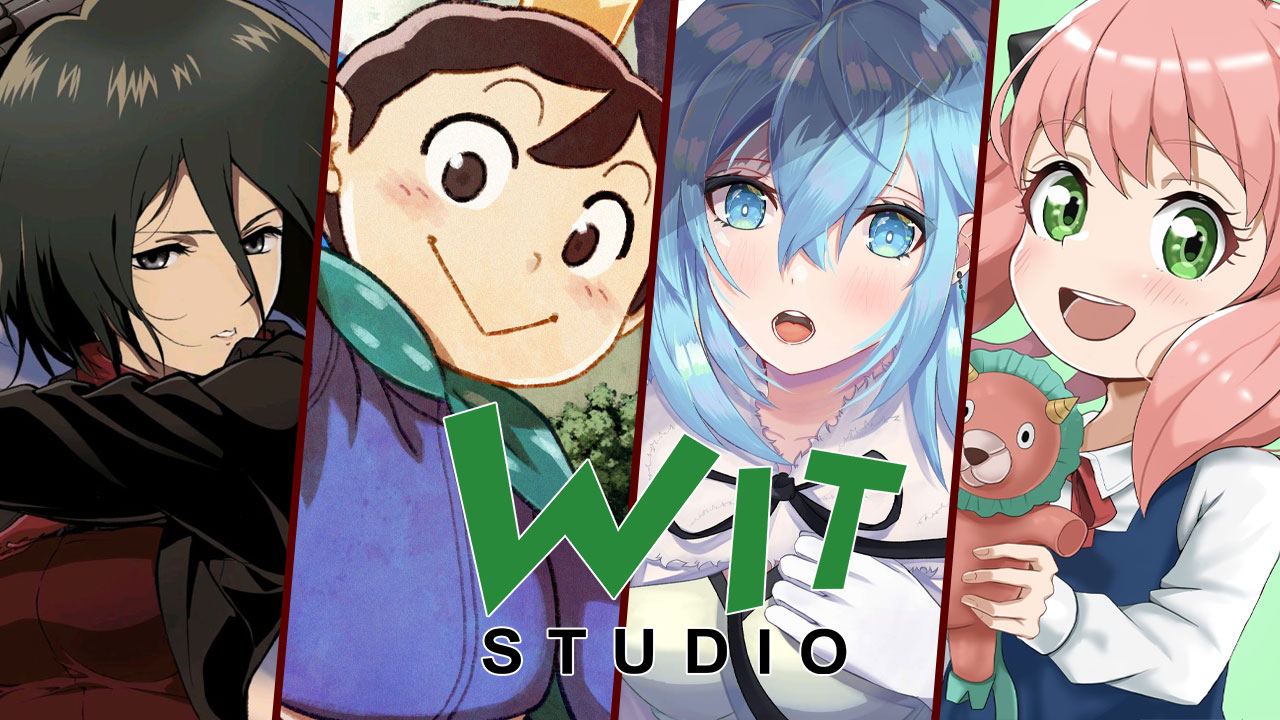
Artificial intelligence has ceased to be a simple promise of efficiency to become a shadow of uncertainty that already projects its weight on drawing tables in Japan. George Wada, CEO of Wit Studio —The acclaimed house behind the first seasons of Attack on Titan and Spy x Family—, has broken the institutional silence to admit what many workers in the sector feared. AI is already a direct threat to the artists and entertainers of the medium. In an interview for the show AI SHOW, WADA addressed the tension between technological opportunity and human risk. making it clear that the balance of the industry is at stake.
The responsibility of the creator against the algorithm
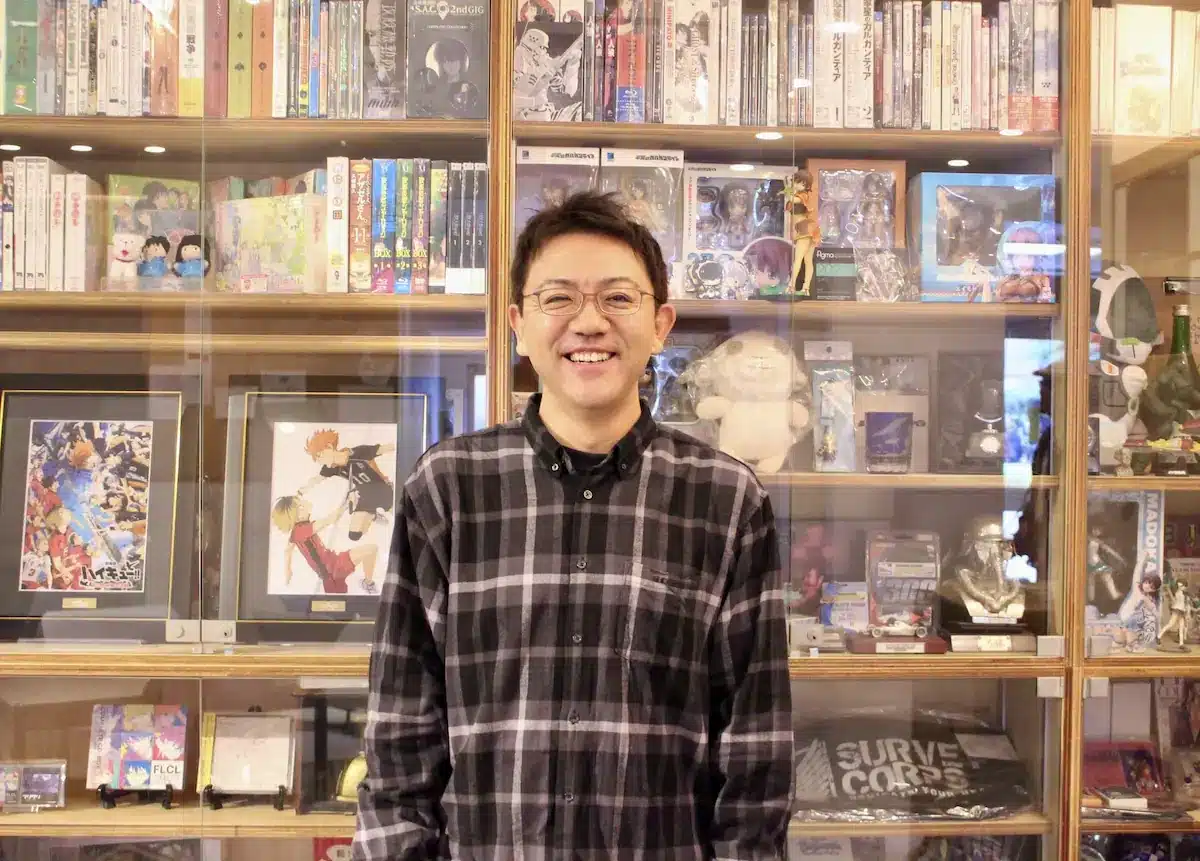
Wada’s authority in this debate is not minor, since it leads one of the most influential studies of the last decade. His position is not only a technical observation, but also a corporate responsibility manifesto. When asked if he saw AI as an opportunity or a threat, his response was blunt:
“For me, yes, I think it has become a threat. We have a responsibility to protect creators, artists, entertainers and others, and many legal problems have not yet been resolved. That is why we are carefully observing these changes to understand their future impact on the industry.”
This statement focuses on two pillars that the hype technology often ignores: worker protection and the legal void around copyright and training of visual language models.
Wit’s bittersweet background and AI
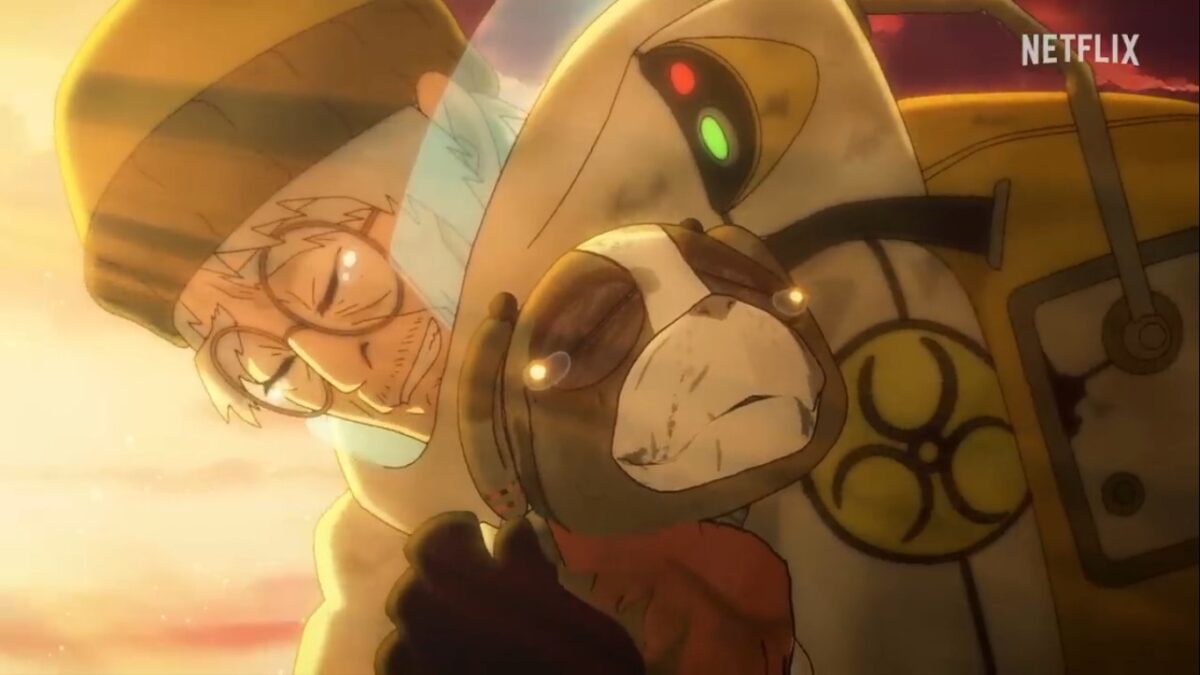
the experience of Wit Studio With technology is not new, which adds a layer of irony and realism to Wada’s words. In 2023, the study collaborated with Netflix in the experimental short “The Dog and the Boy”, where generative IA was used for the funds due to the “lack of labor”. That project was harshly criticized by the artistic community, which saw in it an attempt to lower costs at the expense of human talent.
| STUDY / COMPANY | Posture / Recent Action |
| Wit Studio | Recognize the threat; Prioritize the protection of the artist. |
| Netflix | Active experimentation with funds generated by AI. |
| Mappa | Official silence, but with high productive pressure that generates fear of replacement. |
| Ghibli (Hayao Miyazaki) | absolute rejection; He described the animation by AI as “an insult to life itself”. |
The legal maze of animation
The reliability of the Wada message lies in its caution. By mentioning that the “legal problems have not yet been resolved”, the CEO of Wit Studio Point out the elephant in the room: the use of works by live artists to train tools without consent or compensation. For a study that lives on the intellectual property and the distinctive style of its animators, allowing AI to cannibalize its own creative process without a clear regulatory framework would be, in essence, a long-term artistic suicide.
The soul of the machine against the human pulse
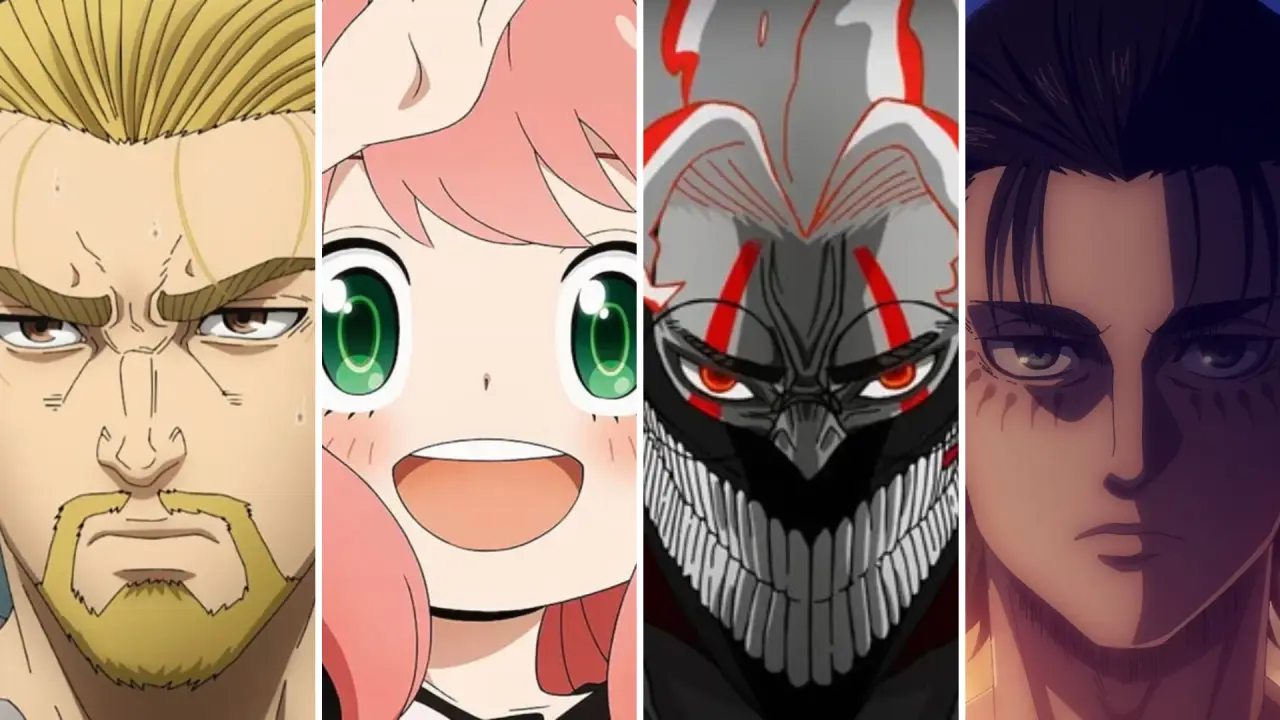
George Wada’s words mark a turning point where anime industry leaders begin to prioritize ethics over mere resource optimization.
Wada is trying to correct the course after the criticisms received from her previous experiments with AI. It’s refreshing to hear a CEO talk about “responsibility” instead of just “productivity”. Anime is an art of beautiful imperfections and human strokes; If we remove the artist from the process, we are left with a visually perfect but emotionally empty shell. AI should be the brush, never the painter, and it is essential that studies of the stature of Wit Studio Lead the legal defense of those who really create the magic we consume.
Do you think that a coexistence is possible where AI only helps in tedious tasks (such as the in-betweening) without threatening the livelihood of the animators, or will the industry end up giving in to the reduction of costs? We want to read your opinion in the comments!