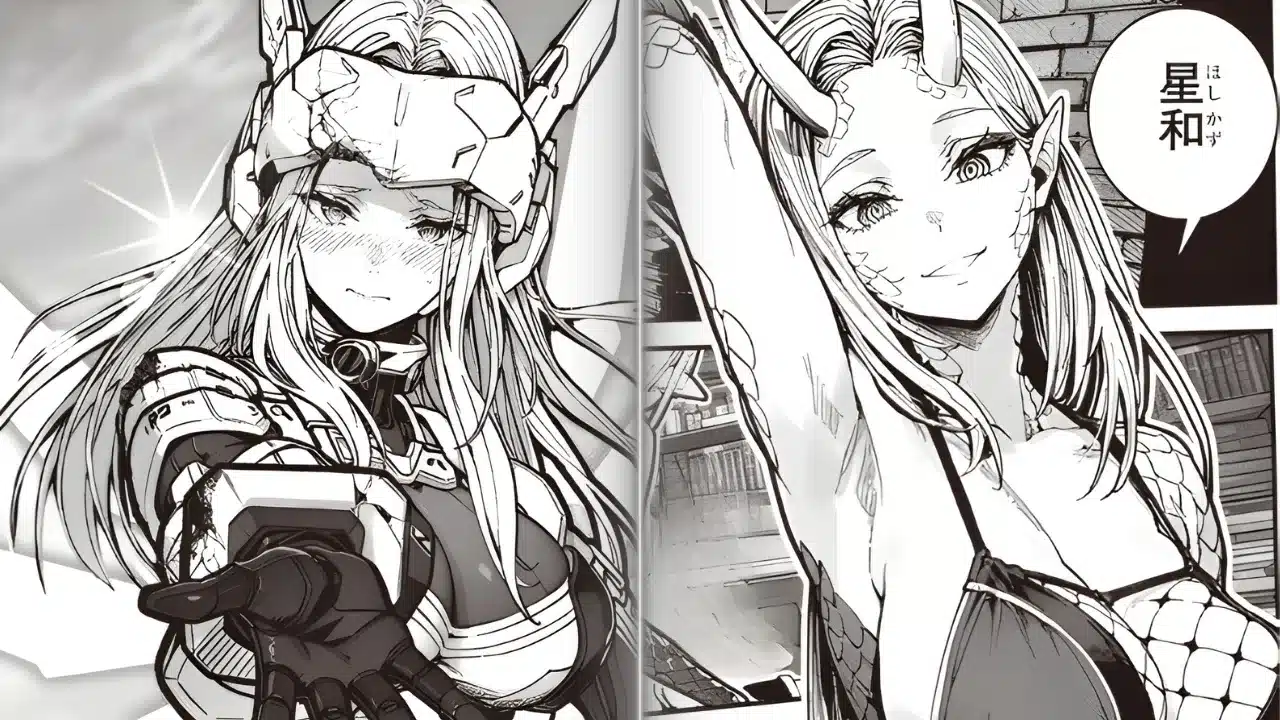
The controversy erupted when Mikuni No Hane Hane Zamsama It went from being a promising debut to becoming a work under strong suspicion. The author received about 2,800 dollars and the sleeve It went viral in X with millions of views after it Fans detected signs of possible use of artificial intelligence. There were anatomies that did not coincide designs that changed between vignettes with a strange glow and backgrounds that did not fit the scene. The contest does not explicitly prohibit artificial intelligence and that amplified the discussion that ended up questioning the transparency of the contest.
This is the first case of massive artificial intelligence use in a high-level Japanese manga contest. Conflict is not reduced to discovering whether the work was created with the. It also shows that the lack of rules in Young Jump has weakened the trust of the public. The fandom now functions as a quality filter that detects irregularities quickly. How has the fandom become the quality control against AI and what does this crisis imply for the authors who draw by hand? Here we explore it.
Crisis of authenticity in manga contests
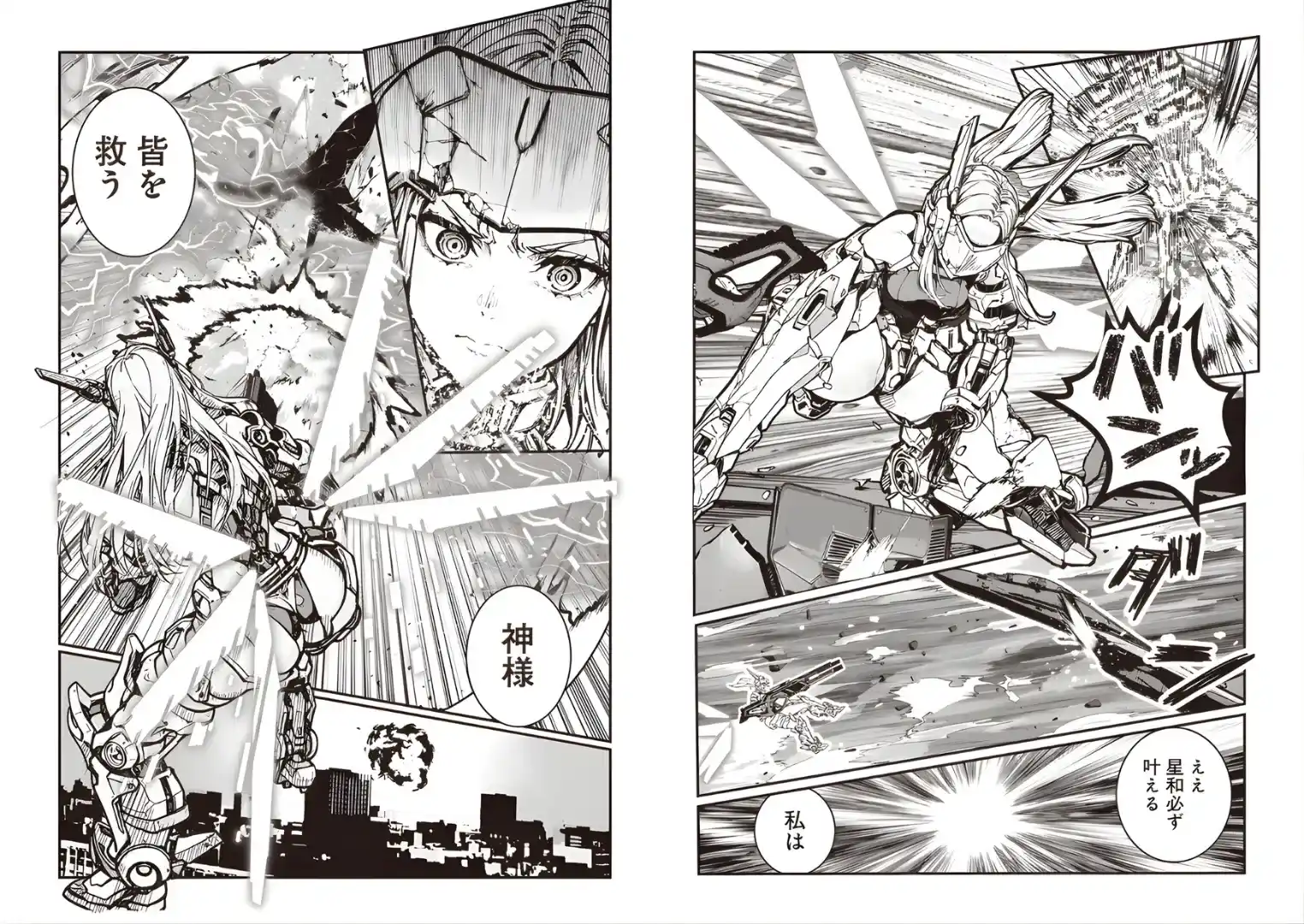
The fact that the work won the prize and was only questioned after going viral with 18 million views It reveals a profound crisis in the role of new talent contests in the midst of AI era.
the silence of Young Jump And the absence of rules on automatic tools leave the publisher in a vulnerable position. A contest that should convey professionalism loses authority when the public assumes the role of evaluator. Readers believe that they can decide what is authentic and what is not. The fandom is carrying out the quality control that the jury did not do and that Damage the legitimacy of the award. It also affects the value of the work of those who draw by hand.
An award works as a contract of authenticity. When the rules are ambiguous, not only suspicions grow. There is also a feeling that the publisher tries to buy time instead of protecting the integrity of craft work.
The new digital trail in manga errors
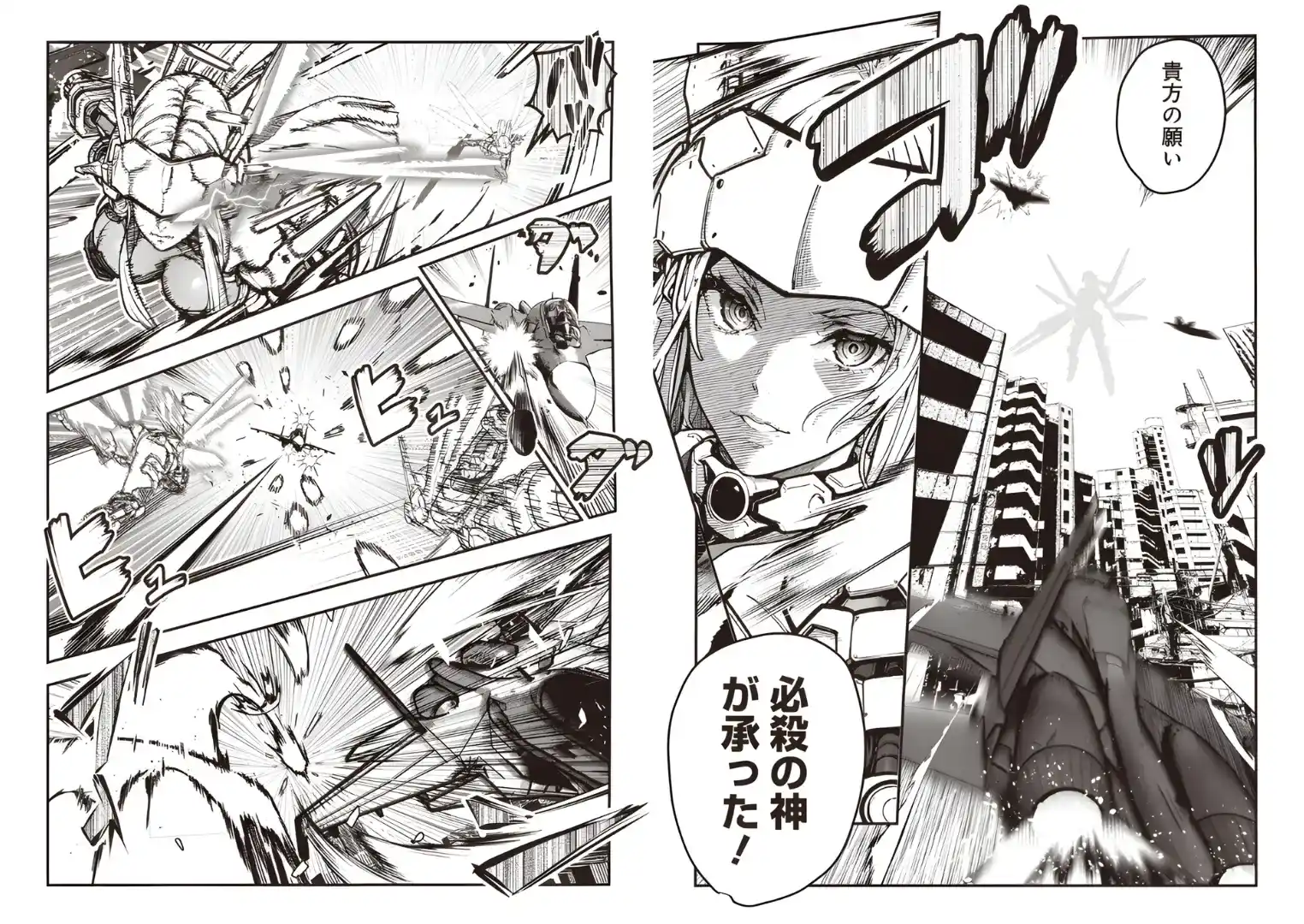
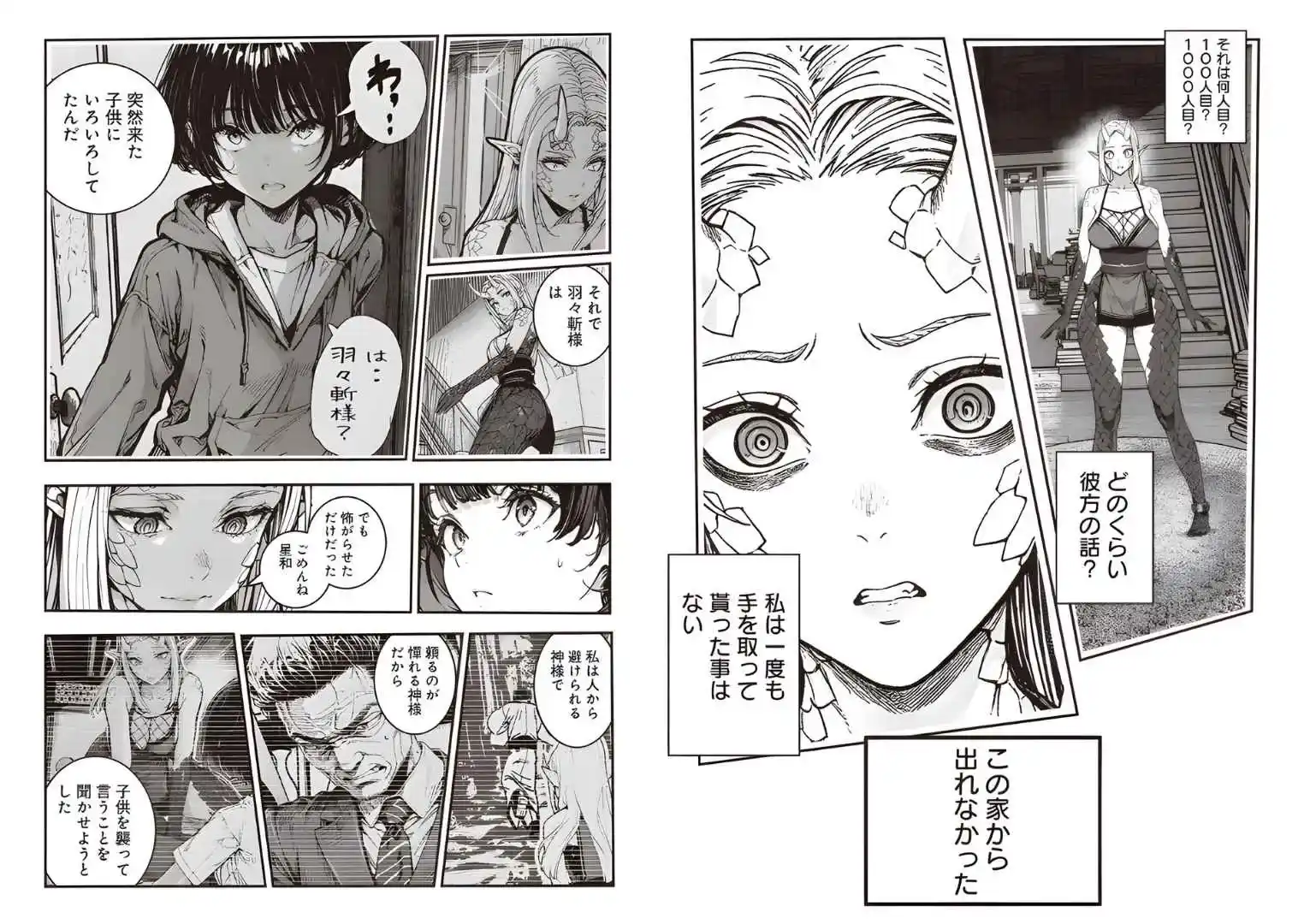
The flaws that readers identified, as unlikely anatomy, lines with an unnatural shine and seemingly glued bottoms, are part of the new visual vocabulary associated with the intervention of the AI and contrast clearly with the classic mistakes of the handmade manga.
A human error usually comes from haste or fatigue. It can be seen on a slightly different face between vignettes, in a sliding perspective, or in a hesitant stroke. AI errors operate on another frequency. arise in microdetail, as Fingers that change shape, impossible shadows or so perfect contours that break the artisanal aesthetics of the manga. besides, Integration between characters and backgrounds lacks spatial coherence That an artist, even inexperienced, adjusts intuitively. This new type of ruling forces jurors to re-educate the view to distinguish between emerging ability and algorithmic generation.
Criticisms of strange dialogues and abrupt narrative leaps reinforce the visual diagnosis. AI can produce functional images and text, but it still lacks the emotional cohesion and authorial intention that define the genuine art of the manga.
the verdict
The Mikuni No Hane Hane Zamsama case marks a before and after. It is no longer debated whether AI can produce manga, but how the industry will react to the possibility of creative fraud. Young Jump’s silence is eroding its credibility, while the fandom reaction has become ironically the last defense to protect the manual work that defines the medium.
As specialists in the field, we see clearly that the future of contests depends on strict and explicit rules that regulate or prohibit the use of generative AI in artistic participations. The ambiguity not only devalues years of training and discipline of the mangakas, it also turns the prizes into an uneven terrain where technology can falsify the merit.
Do you think that the manga industry should totally ban AI in new talent contests, or should it require a statement of the percentage of use of the tool? Leave us your opinion in the comments.