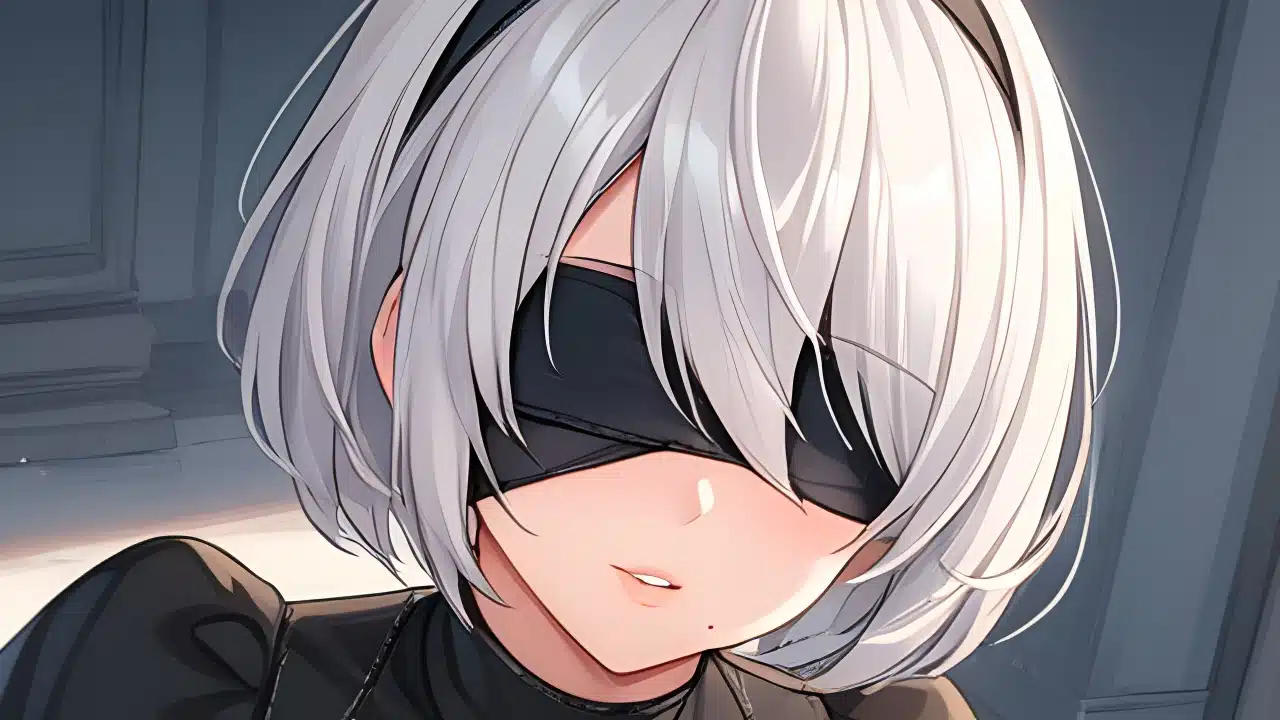
In the industry of videogames, few names inspire both mysticism and respect as Yoko Taro. The creator behind the acclaimed saga nier He is known not only for his heartbreaking and existentialist plots, but for a brutal honesty that often disarms his followers. Recently, Taro has once again shaken the foundations of the FANDOM with a statement that has left many speechless: in his own words, the history of nier: Automata is not original, but in essence it is a rereading of an anime pillar: Neon Genesis Evangelion.
Revelation: “There is not much originality in it”
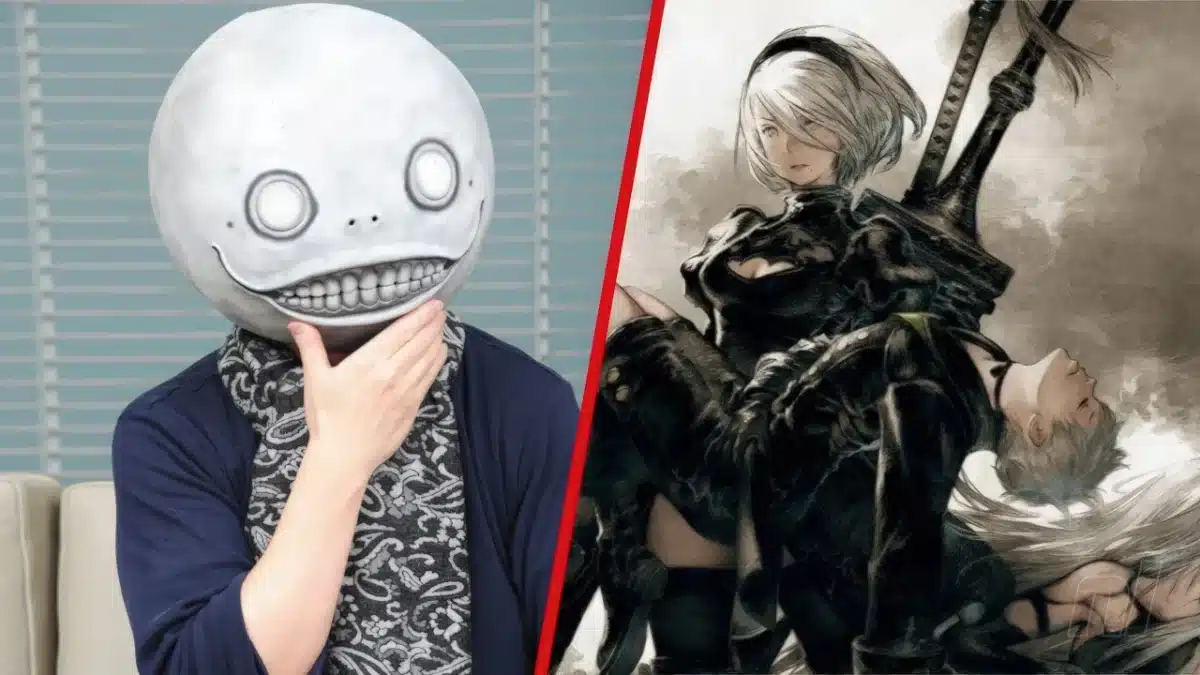
True to his humble and self-critical style, Yoko Taro downplayed the praise he has received for the 2B, 9S and A2 narrative. For the director, the creative process behind his masterpiece was more of an exercise of memory and admiration than of pure invention.
“The work I was most inspired by is Neon Genesis Evangelion. I appreciate you praising the story of nier: Automata, but in reality it is practically a reinvention of Evangelion, so there is not much originality in it. I don’t really watch recent movies, so I’m mostly inspired by memories of works I’ve seen in the past.”
The parallels between fog and machines
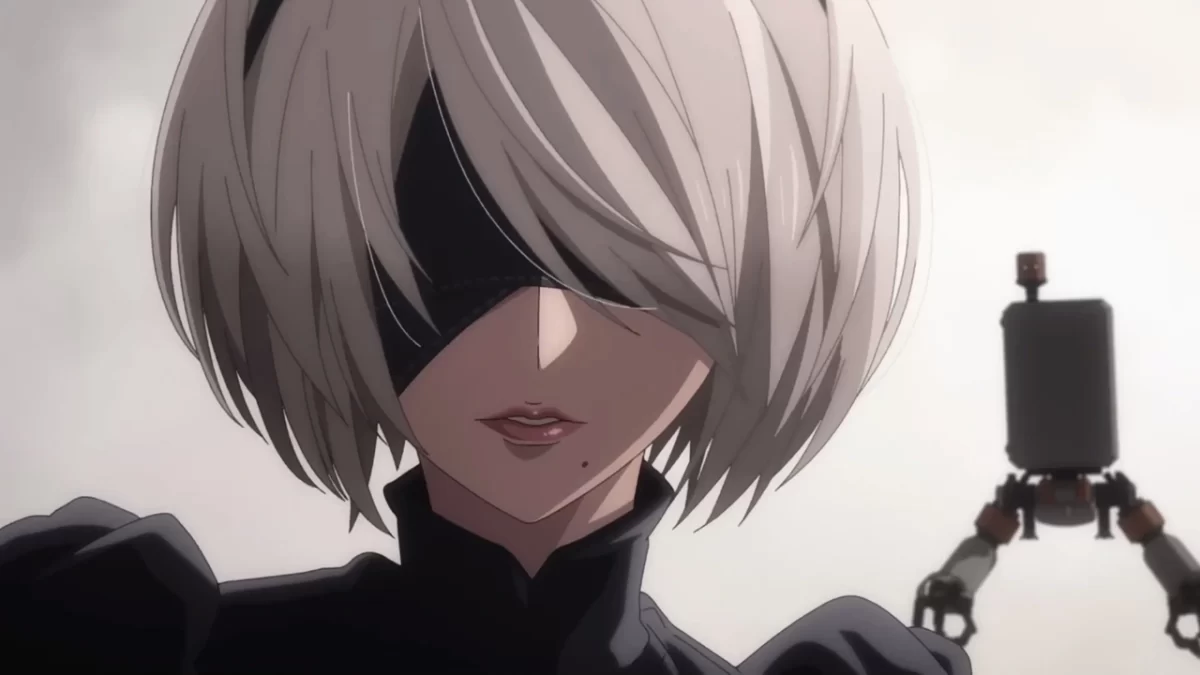
Although Taro is modest, the authority With which he intertwines these concepts, he demonstrates that, more than a copy, there is a philosophical dialogue between both works. If we analyze the points in common, the similarities are undeniable but fascinating:
| Element | Neon Genesis Evangelion | Nier: Automata |
| central conflict | humans against angels. | Androids against machines. |
| Identity | The quest for Shinji’s individuality. | The doubt of the androids about having a “soul”. |
| cycles | the human instrumentation plan. | The eternal cycle of life and death of machines. |
| Tone | hopelessness, trauma and existentialism. | optimistic nihilism and melancholy. |
The art of remembering and recreating
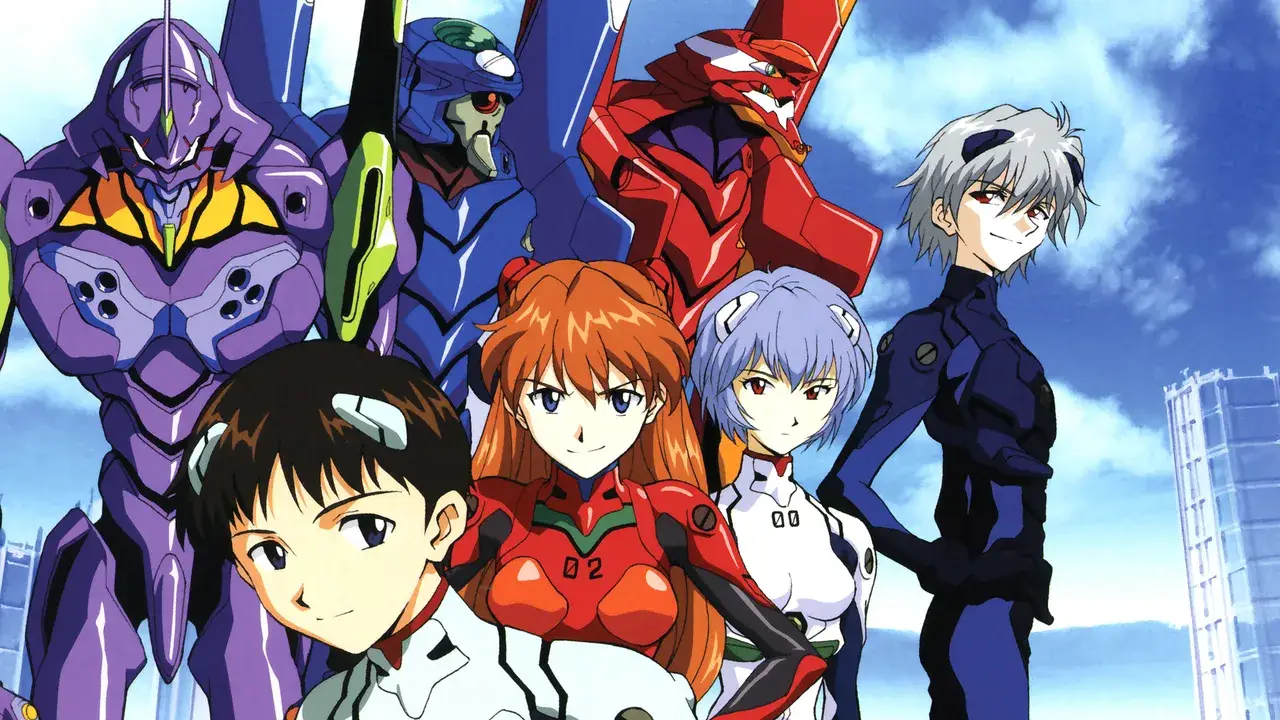
The experience to play nier It is, for many, transformative. The fact that Taro confesses that it is based on his “memories of works of the past” explains why the game feels so familiar and, at the same time, so different. By not consuming modern content, Taro avoids current trends and focuses on the raw feelings that the anime of the 90s left him marked. His genius is not in inventing the wheel, but in how he makes that wheel turn in an emotionally devastating direction for the contemporary player.
Honesty as an author’s stamp
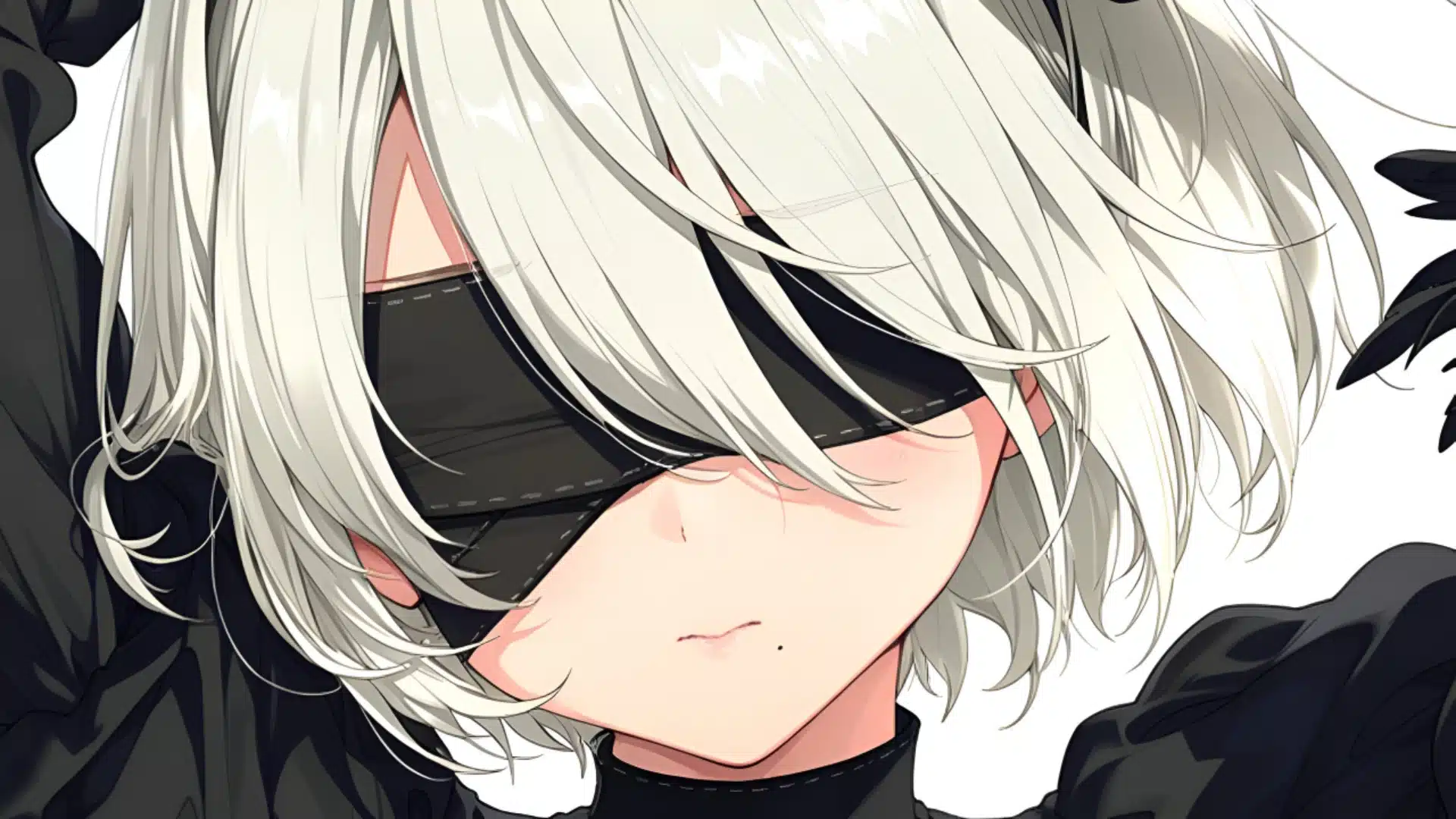
The reliability De Yoko Taro as author is reinforced with these statements. In an industry where many directors try to sell their works as “revolutionary and unique”, Taro openly admits his creative debts. This transparency allows fans to appreciate nier From a new perspective: that of an author who takes the collective traumas of a generation (represented in Evangelion) and projects them into a future of metal and cables.
The genius behind Emil’s mask

What Yoko Taro call nier: Automata A “Evangelion reinvention” does not take away an iota of value. On the contrary, it shows that the great narrative is often built on the shoulders of giants, transforming the old into something profoundly new through personal perspective.
Taro is being overly humble. Although the “skeleton” of history may have the DNA of Anno (creator of Evangelion), the skin, the muscles and, above all, the heart of nier They are purely yours. The way he uses the multiple endings and the interaction with the player to tell his story is something that no TV series could ever replicate. Taro did not copy Evangelion; He translated it into the language of video games in a way that no one else could have achieved.
Do you think that knowing this inspiration changes your way of seeing the end of nier: automata? Do you notice more the similarities with Shinji and Rei now that the author himself has confirmed it? We want to read your opinion in the comments!