Between preparing meals, washing clothes and keeping the home in order, every minute counts for families with young children. Smart appliances are gaining ground precisely to solve that problem: since 2020, the connected product segment has tripled its size, mainly powered by artificial intelligence devices designed to optimize everyday tasks.
How fast is the connected appliance market growing?
According to recent data, the market for connected devices in the region grew by 27% during 2025. Samsung led that growth with a 43% increase in sales of connectivity appliances during the same period — a figure that reflects how quickly families are adopting this type of solutions to reduce the mental burden of managing the home.
How does technology work in clothing care?
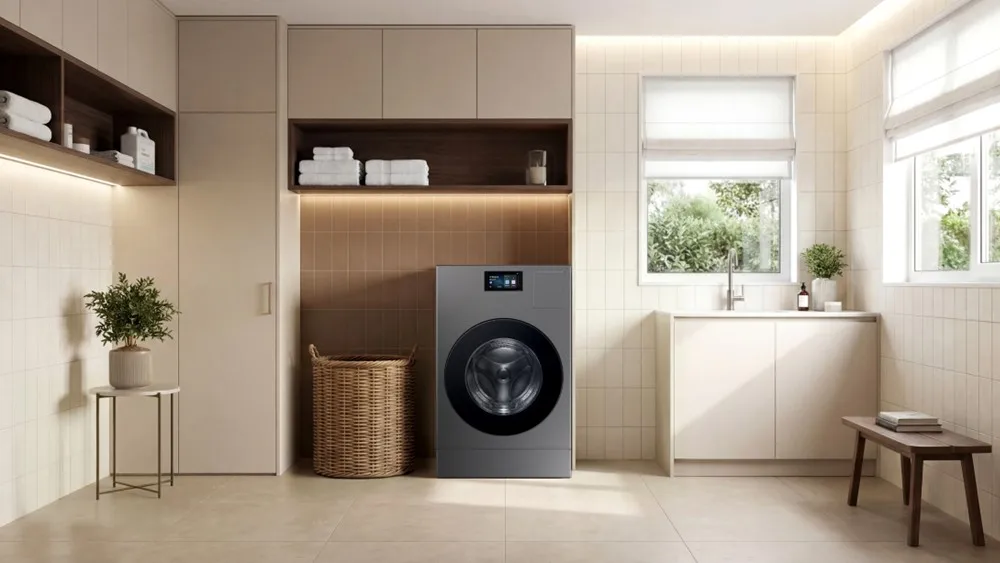
Samsung’s connected washers incorporate a feature that helps automatically select the ideal cycle according to the type of garment, color and level of dirt, available through the ecosystem SmartThings. The application recommends the most suitable program for different types of fabric, from delicate baby clothes to jeans or school uniforms, and sends a notification at the end of the cycle to prevent clothes from being forgotten inside the device.
This technology is available in models such as the AI 12.5 kg control washer, designed for smaller spaces, and the Bespoke Ai Laundry 26 kg, which includes interactive display and sensors that automatically adjust the amount of detergent and softener depending on the load.
What can a smart refrigerator do in the kitchen?
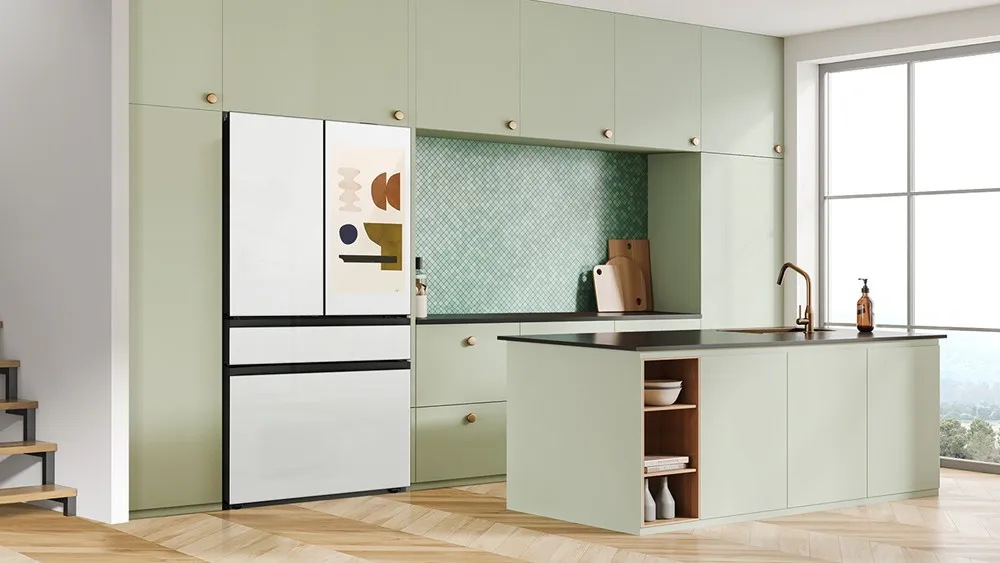
The fridge Family Hub From Samsung allows you to see from your cell phone the stored foods thanks to an integrated camera, suggest recipes according to the available ingredients, and automatically generate a shopping list, facilitating the planning of family meals without having to physically check the refrigerator.
How do all devices connect to each other?

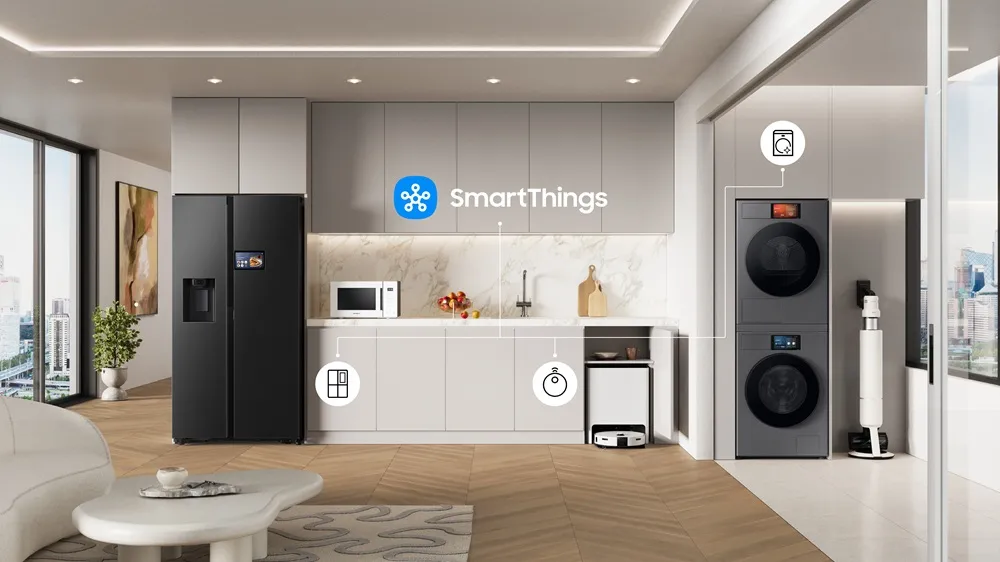
through the platform SmartThings, Users can control and monitor different household equipment, even from other brands, from one place, and create automated routines. A common example is to program a night routine where the lights dim, the TVs go out, and the blinds automatically close at a time determined by the family.
Why this matters beyond comfort
More than a matter of technological luxury, these types of solutions seek to reduce the time dedicated to repetitive tasks of the home, freeing up space for the family moments that really matter.