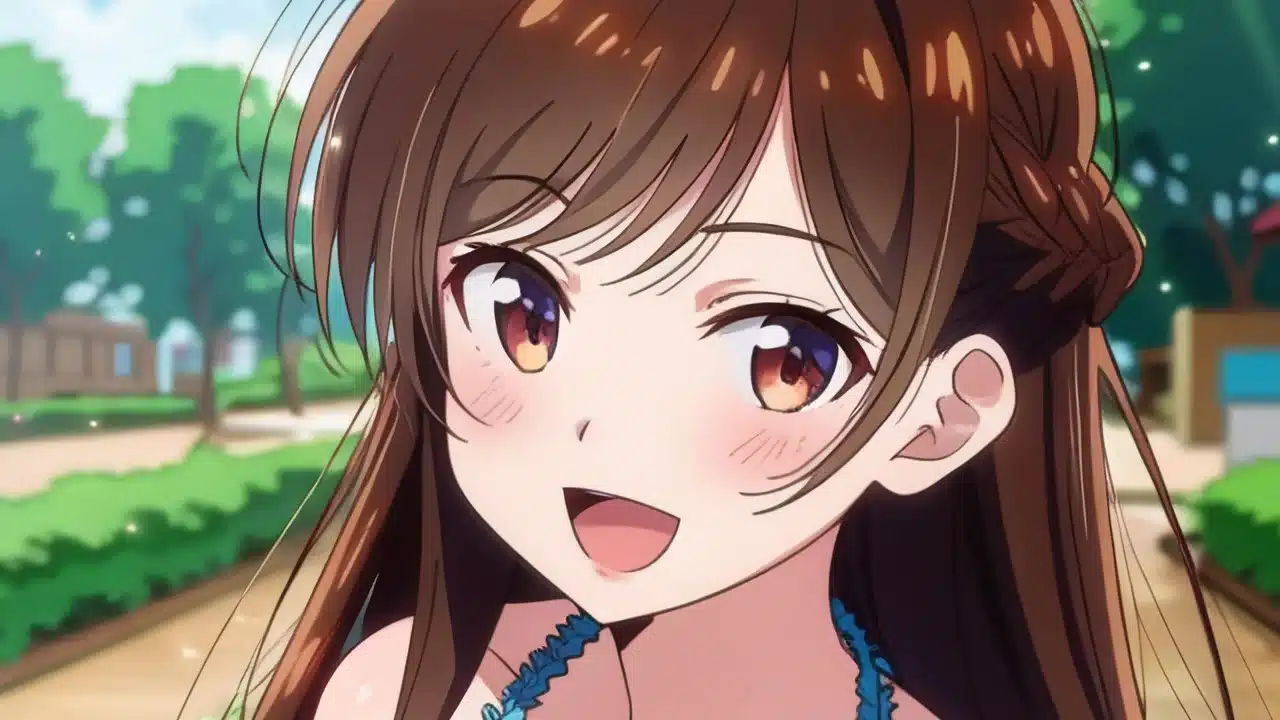
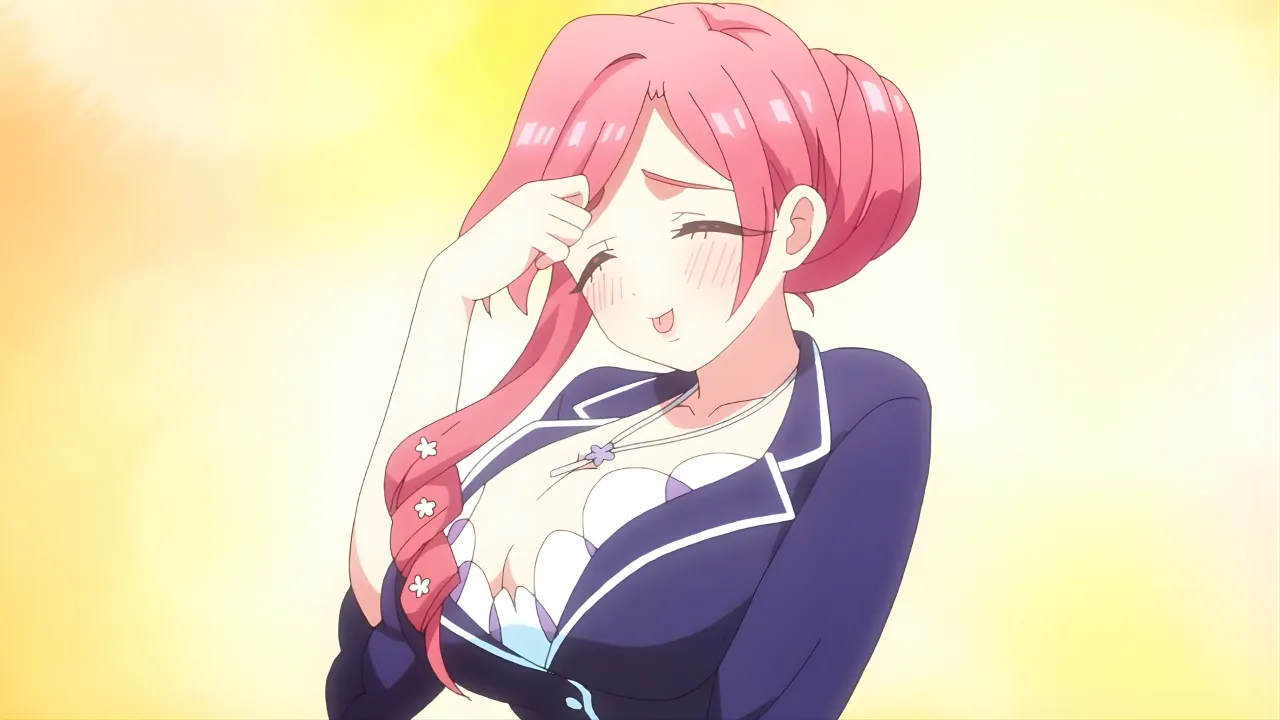
Yukiko Nozawa, draftsman of The 100 Girlfriends Who Really, Really, Really, Really, Really Love You, He published a statement addressed to his followers. In it he explicitly requested that Stop sending you personal ideas for future girlfriends of the series. The author explained that, even without reading those messages, there is a risk of involuntary coincidences with future characters.. This situation could lead to legal conflicts and authorship disputes.
But why a “good-intention” suggestion can terrify a professional mangaka? We analyze the dangers of intellectual property in the age of hyperconnectivity and why the silence of the authors is their best legal defense.
The fear of accidental plagiarism and the trap of coincidences
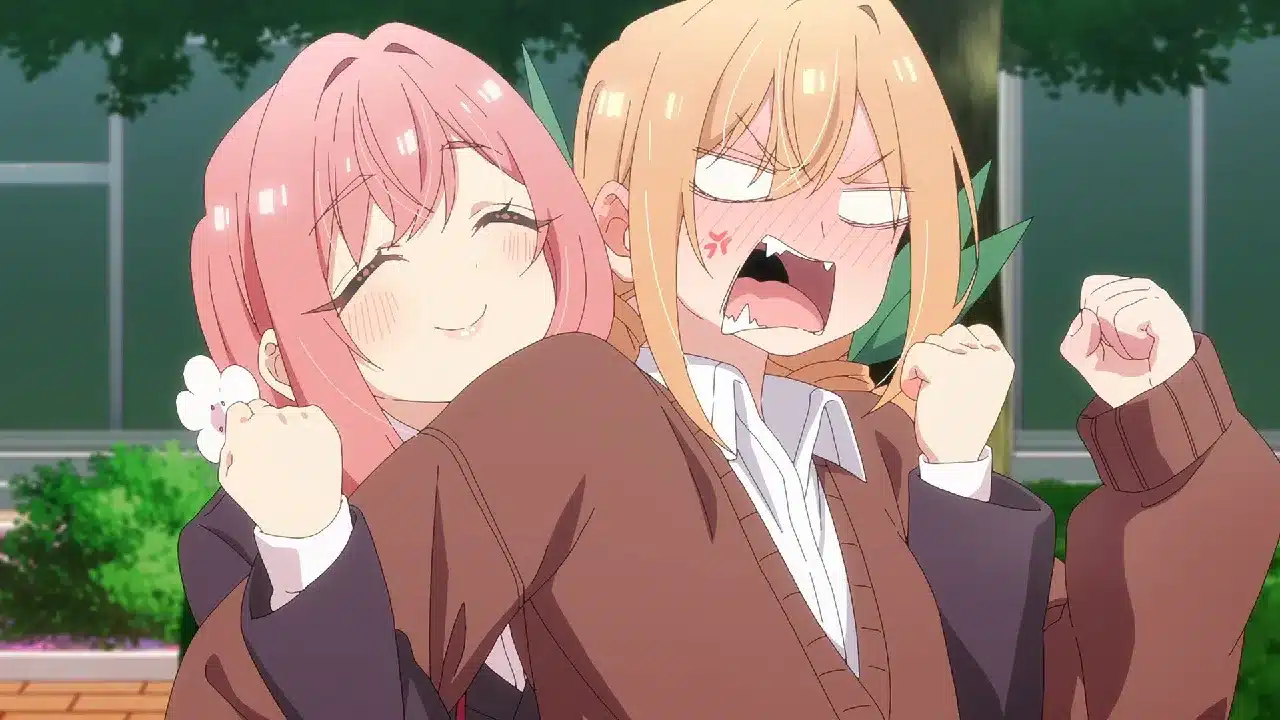
The confession of nozawa, By admitting that the situation is “a bit scary”, it reflects a clear knowledge of how the copyright laws both in Japan and in international markets. In a work whose concept revolves around the constant introduction of new heroines, the margin of creative coincidence is progressively reduced. The greater the number of characters, the greater the probability that two independent ideas will end up alike.
This scenario opens the door to accusations of plagiarism, even when there is no bad faith. It is enough for a fan to claim to have sent an idea before to generate a legal conflict. This can force publishers and production committees to invest time and resources in their defense. the strategy of Nozawa It is preventive: by publicly asking that ideas not be sent, it sets a clear policy of non-exposure. This protects both his work and the publisher that supports the work.
The fine line between fandom support and creative interference
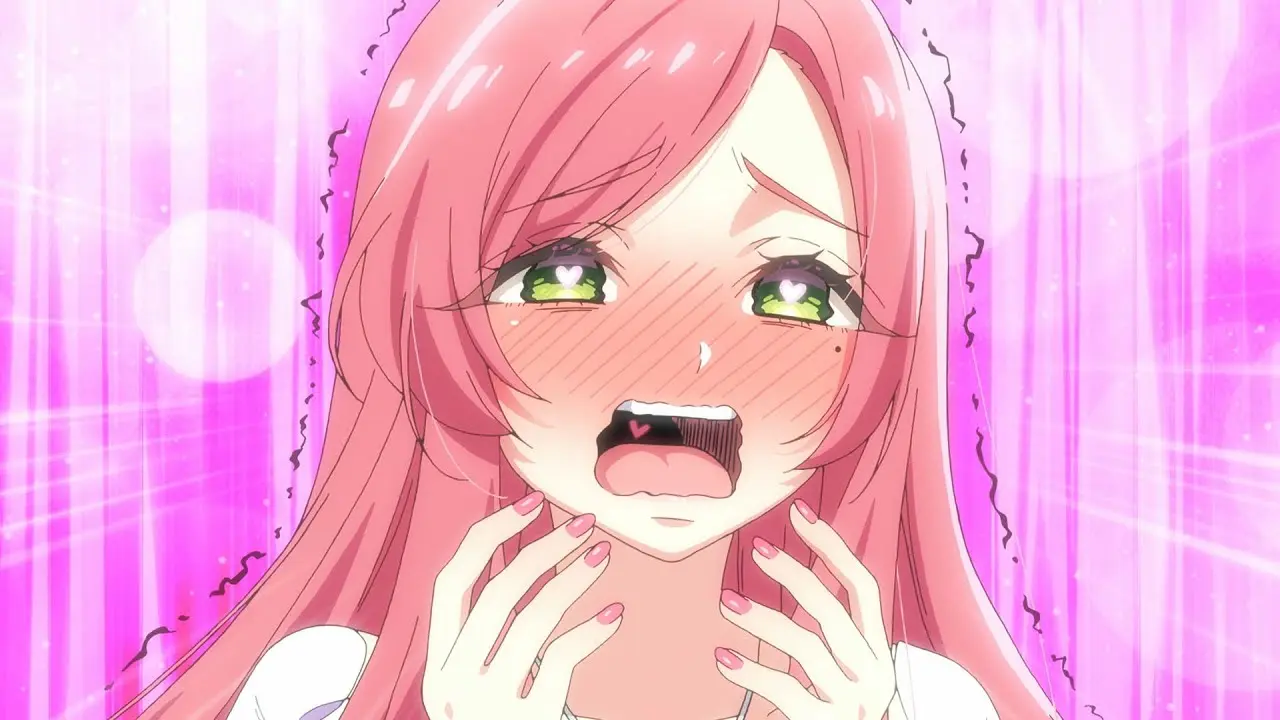
the case of 100 Girlfriends It also shows a common confusion within contemporary fandoms. Many followers interpret the closeness to the authors as an implicit invitation to participate in the creative process, Without considering that the manga is a professional production governed by contracts, legal responsibilities and a defined narrative vision.
Allowing external suggestions not only involves legal risks, but dilutes the creative authority of the team responsible for the work. When a story begins to build on the basis of other people’s ideas, it loses coherence and direction. By setting this limit, Nozawa He does not distance himself from his readers, but protects the integrity of your work and guarantees that each character is the result of internal planning and not of collective pressure.
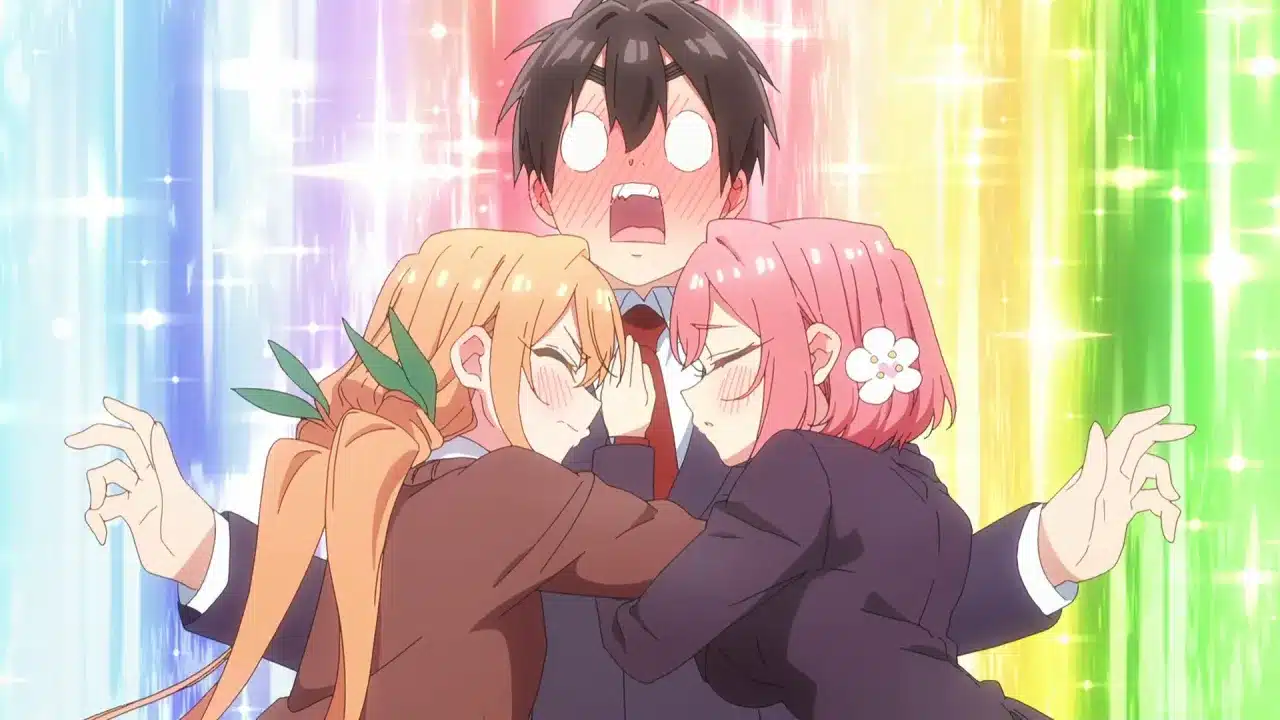
the verdict
Yukiko Nozawa’s request does not respond to an elitist attitude or a rejection of his community, but to a need for professional survival in an industry that is increasingly exposed to judicialization. Maintaining a clear separation between the ideas of the public and the official development of the manga is essential so that 100 Girlfriends can move towards their ambitious goal without compromising their creative stability.
The true support of the fandom is not to suggest characters. It resides in respecting the limits of the creative process and relying on the authors’ ability to surprise. In an environment where each message can become a legal problem, protecting authorship is essential. It is not an option, but a condition for creativity to exist with freedom.
Do you think that the authors should have official channels for suggestions or do you agree with Nozawa that it is too great a legal risk for today’s industry? Leave us your opinion in the comments.